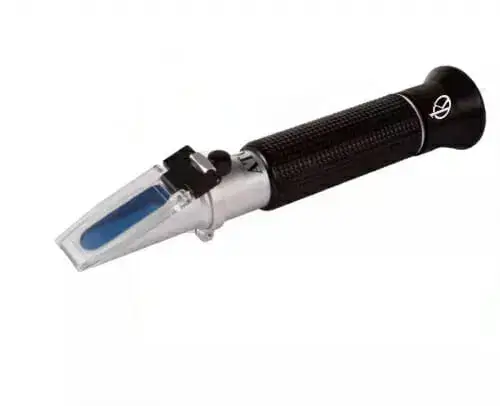
Optimizing Data Flow in Breweries: LIMS Integration with Beer Refractometers
In the fast-paced world of brewing, ensuring the quality and consistency of beer is paramount. Beer refractometers play a critical role in measuring sugar concentration, which is vital during the brewing process. As breweries increasingly adopt Laboratory Information Management Systems (LIMS) for data management, integrating these devices into a digital workflow can significantly enhance operational efficiency, accuracy, and data traceability. This article explores the importance of LIMS integration with beer refractometers while comparing several models available in the market.
Understanding LIMS Integration in the Brewing Process
LIMS integration involves connecting various laboratory equipment with data management systems to streamline data flow and improve decision-making. In breweries, this means that beer refractometers can send real-time data regarding sugar concentrations directly to the LIMS. This integration not only reduces manual data entry errors but also enhances data availability for analytics.
Key Benefits of LIMS Integration
- Real-time Data Monitoring: Immediate access to accurate readings helps brewers make timely adjustments.
- Enhanced Traceability: Every measurement can be time-stamped and linked to specific batches, ensuring compliance with quality standards.
- Improved Decision Making: Data analytics capabilities enable brewers to predict trends and optimize recipes.
Comparison of Available Models
| Model | Measurement Range | Min. Division | Accuracy | Best for |
|---|---|---|---|---|
| YR05939 | 0-32% Brix SG: 1.000-1.120 | 0.2% Brix | ±0.2% Brix | Frequent gravity checks during brewing |
| YR05940 | 0-32% Brix SG: 1.000-1.120 | 0.2% Brix | ±0.2% Brix | Real-time monitoring of fermentation |
| YR05941 | 0-32% Brix SG: 1.000-1.120 | 0.2% Brix | ±0.2% Brix | Quality control in production |
| YR05942 | 0-32% Brix SG: 1.000-1.120 | 0.2% Brix | ±0.2% Brix | Batch consistency assessment |
| YR05943 | 0-32% Brix SG: 1.000-1.120 | 0.2% Brix | ±0.2% Brix | Rapid checks during boiling |
Common Mistakes and How to Avoid Them
When integrating beer refractometers with a LIMS, several common mistakes can hinder optimal performance. One frequent error is neglecting to calibrate the instruments regularly. Calibration ensures accurate readings, which is crucial for maintaining quality standards in brewing. Additionally, failing to establish clear protocols for data entry can lead to inconsistent data, undermining the benefits of LIMS. It is essential to have well-documented procedures for using each model effectively.
Maximizing Brewery Productivity Through Digitalization
Digital tools enable breweries to optimize their operations significantly. By integrating beer refractometers with LIMS, brewers can automate data collection and analysis, which enhances productivity. For instance, instead of manually recording measurements, data can be transmitted directly to the LIMS, allowing for faster decision-making. This level of integration can drastically reduce bottlenecks in production processes.
Data Security and Compliance Considerations
As breweries adopt digital solutions, data security becomes paramount. Ensuring that LIMS and refractometers comply with industry standards, such as FDA regulations, is essential for protecting sensitive information. Implementing encryption protocols during data transfer can help mitigate risks associated with data breaches. Regular audits and updates of the LIMS are also recommended to maintain compliance.
Best Practices for Implementing LIMS with Beer Refractometers
To achieve successful integration, breweries should follow best practices. First, thorough training for staff on using the refractometers and LIMS is crucial. Understanding the functionalities of each piece of equipment ensures that they are utilized effectively. Secondly, breweries should pilot the integration in a small section of their operation to identify issues before full-scale implementation.
Frequently Asked Questions
What are the key specifications for the Beer Refractometer YR05939?
The Beer Refractometer YR05939 has a measurement range of 0-32% Brix and a specific gravity range of 1.000-1.120 with an accuracy of ±0.2% Brix. This model is ideal for frequent gravity checks during brewing, ensuring that operators maintain quality throughout the process.
How does LIMS integration enhance the accuracy of beer refractometer readings?
Integrating a LIMS with beer refractometers allows for automated data entry, reducing the chances of human error during measurement recording. By ensuring accuracy and real-time data flow, models like YR05940 can optimize fermentation monitoring and improve overall quality control in brewing.
What are the benefits of using the Beer Refractometer YR05940 in a brewery?
The Beer Refractometer YR05940 offers real-time monitoring of sugar concentrations, which is vital for the brewing process. With its measurement range and accuracy, it helps brewers make timely adjustments and maintain quality standards throughout fermentation.
Which beer refractometer model is best for rapid checks during boiling?
The Beer Refractometer YR05943 is specifically designed for rapid checks during boiling. Its quick readout feature and accurate measurement capabilities help brewers efficiently monitor sugar concentration while minimizing sample volume.
How can breweries ensure compliance when implementing LIMS with beer refractometers?
Breweries can ensure compliance by regularly calibrating their equipment, like the YR05941 model, and maintaining thorough documentation of all measurements and data entries. This practice supports adherence to industry standards and improves data traceability.
What challenges might breweries face when integrating LIMS and beer refractometers?
Challenges may include resistance to change among staff, the need for extensive training, and potential data security issues. Addressing these concerns through comprehensive training and IT support can help facilitate successful integration of tools like the YR05942.
How does digitalization affect the overall productivity of a brewery?
Digitalization through LIMS integration allows for automation of data collection, which significantly enhances productivity by eliminating manual errors and speeding up the decision-making process. This leads to more efficient operations for models like YR05939.
What is the average cost of implementing LIMS in a brewery with beer refractometers?
The average cost of implementing LIMS varies based on the size of the brewery and the complexity of integration with equipment like the YR05940. Investments typically range from a few thousand to tens of thousands of dollars, considering software, training, and hardware expenses.
If you are looking for a fusion of innovation and quality, you have come to the right place. At Kalstein, we offer you the luxury of exploring our exclusive catalog of laboratory equipment. We manufacture every device to the highest standards of excellence. Our intuitive and seamless online purchasing channels are designed for your convenience, securing the most competitive prices. Hesitate no longer — we bring science to life, it is time to become part of our community.