Optimizing Predictive Maintenance and Calibration of Laboratory Equipment
In the realm of laboratory equipment, predictive maintenance and calibration are paramount to ensure accuracy, reliability, and compliance with industry standards. Laboratory professionals must adopt a proactive approach to equipment management, minimizing downtime and optimizing performance. This article explores strategies and models to effectively implement predictive maintenance and regular calibration in your laboratory environment.
Understanding Predictive Maintenance in Laboratories
Predictive maintenance is a proactive approach that utilizes data analysis and diagnostic tools to determine the condition of laboratory equipment. By predicting when maintenance should be performed, laboratories can avoid unexpected failures and costly repairs. Key techniques include monitoring equipment condition through sensors and implementing maintenance schedules based on usage data.
Importance of Regular Calibration
Regular calibration is crucial in maintaining the accuracy and reliability of laboratory equipment. Calibration ensures that instruments provide accurate measurements, which is fundamental for quality control and regulatory compliance. Implementing a stringent calibration schedule helps laboratories maintain ISO/IEC 17025 accreditation, which requires documented evidence of calibration and traceability.
Comparison of Available Models
| Model | Calibration Interval | Best Features | Recommended Scenario |
|---|---|---|---|
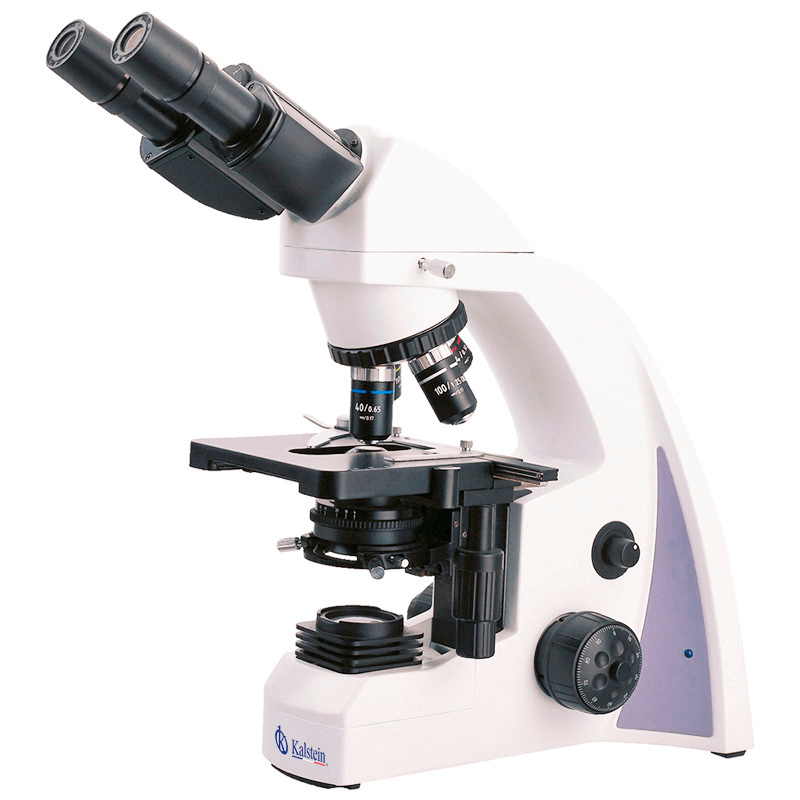
| YR0237-0-1 | Every 6 months | Binocular head, acromat objectives | High precision microscopy |
| YR0237-1 | Every 6 months | Trinocular head, widefield eyepiece | Advanced research applications |
| YR0237-1-1 | Every 6 months | Double-layer mechanical stage | Routine laboratory uses |
| YR03731-1 | Annually | Low operating force, sterilizable | Precision pipetting tasks |
| YR03731-2 | Annually | Color-coded volume indicators | General lab applications |
| YR03731-3 | Annually | Ergonomically designed | High-throughput environments |
Common Mistakes and How to Avoid Them
Laboratory professionals often encounter pitfalls in predictive maintenance and calibration practices. Common mistakes include inadequate documentation of calibration procedures, neglecting to track equipment performance over time, and failing to adhere to scheduled maintenance. To avoid these issues, laboratories should implement a comprehensive maintenance management system, ensuring that all equipment is regularly calibrated and maintained according to established protocols.
Establishing a Predictive Maintenance Schedule
An effective predictive maintenance schedule is essential for optimal laboratory operation. Key components include identifying critical equipment, setting intervals for maintenance based on usage data, and establishing procedures to assess equipment condition. Utilizing tools such as condition monitoring sensors can provide valuable data to inform maintenance decisions, extending equipment lifespan and ensuring consistent performance.
Calibration Techniques for Laboratory Equipment
Calibration techniques vary depending on the type of laboratory equipment. For optical devices like microscopes (e.g., YR0237-1), adjustments may involve aligning optical components and verifying measurement accuracy against traceable standards. Pipettes (e.g., YR03731-1) typically require regular verification of volume accuracy and precision through gravimetric methods. Laboratories should ensure that personnel are trained in these techniques to maintain high calibration standards.
Monitoring and Data Collection
Data collection is a critical component of predictive maintenance and calibration. Implementing a monitoring system allows laboratories to track equipment performance metrics, such as mean time between failures (MTBF) and mean time to repair (MTTR). By analyzing this data, laboratories can optimize maintenance schedules, anticipate potential failures, and ensure a high level of operational efficiency.
Frequently Asked Questions
How does predictive maintenance improve laboratory equipment reliability?
Predictive maintenance enhances reliability by enabling timely interventions before equipment failures occur. For example, utilizing the Laboratory Microscope YR0237-1 allows for monitoring wear and tear, ultimately prolonging its operational life and reducing costly downtime.
What is the recommended calibration frequency for laboratory pipettes?
Laboratory pipettes like the YR03731-1 should ideally be calibrated annually to maintain accuracy. Regular calibration ensures compliance with quality standards, such as ISO 8655, and guarantees precise liquid handling essential for laboratory workflows.
Which laboratory microscope is best for predictive maintenance applications?
The Laboratory Microscope YR0237-1 stands out for predictive maintenance applications due to its advanced optics and robust build. Regular calibration and maintenance of this model can prevent operational disruptions and maintain consistent measurement accuracy.
What are the consequences of neglecting equipment calibration in laboratories?
Neglecting equipment calibration can lead to inaccurate results, compromised data integrity, and potential regulatory non-compliance. For example, failing to calibrate the YR0237-0-1 microscope could result in faulty analyses, undermining research outcomes.
How can I track calibration history effectively?
Tracking calibration history can be effectively managed through a laboratory management system or software. This allows for detailed records of calibration dates, results, and any adjustments made, which is crucial for maintaining compliance with standards like ISO 17025.
What factors influence the calibration schedule of laboratory equipment?
Factors that influence calibration schedules include the frequency of use, the criticality of measurements, and environmental conditions. For instance, equipment in high-use scenarios, like the YR03731-2 pipette, may require more frequent calibration to maintain accuracy.
Which industrial washing machines require regular calibration?
Industrial washing machines used in laboratories often require regular calibration to ensure proper cleaning efficacy and compliance with sanitation standards. It’s essential to establish a calibration frequency based on usage patterns and specific operational requirements.
How to develop a successful predictive maintenance plan for laboratory equipment?
To develop a successful predictive maintenance plan, start by assessing critical equipment and their failure patterns. Utilize data from tools like the Laboratory Microscope YR0237-1 to monitor performance and create a tailored maintenance schedule that aligns with operational needs.
If you are looking for a fusion of innovation and quality, you have come to the right place. At Kalstein, we offer you the luxury of exploring our exclusive catalog of laboratory equipment. We manufacture every device to the highest standards of excellence. Our intuitive and seamless online purchasing channels are designed for your convenience, securing the most competitive prices. Hesitate no longer — we bring science to life, it is time to become part of our community.