Pipettes: Practical Applications and Techniques 2026
Pipettes are essential tools in laboratory environments, widely used across research, biotechnology, and academic settings. Their versatility and precision make them indispensable for handling small volumes of liquids. This article aims to provide a comprehensive understanding of pipettes, their applications, best practices, and techniques for 2026.
What is it used for in 2026
In 2026, pipettes are primarily used for accurate liquid handling, which is critical in various laboratory processes such as sample preparation, dilution, and transfer of reagents. Their applications extend to molecular biology, clinical diagnostics, and environmental testing, where precision is paramount.
History and evolution of the technology
Pipettes have evolved significantly since their inception. Initially, laboratory technicians relied on manually operated glass pipettes, which required skill and experience. The introduction of air displacement pipettes revolutionized the field, offering improved accuracy and ease of use. Today's pipettes are designed with ergonomic considerations, precision mechanisms, and advanced materials, further enhancing their reliability and usability in laboratories.
How to use it step by step
Using pipettes involves a systematic approach to ensure accuracy:
- Choose the correct pipette for the volume you intend to measure.
- Attach a suitable tip, ensuring it fits snugly.
- Set the desired volume using the adjustment knob.
- Press the plunger to the first stop and immerse the tip into the liquid.
- Slowly release the plunger to draw the liquid into the tip.
- Remove the pipette from the liquid and dispense the sample by pressing the plunger to the second stop.
- Dispose of the used tip properly and repeat as necessary.
Best techniques and protocols
Effective pipetting techniques include:
- Pre-wetting the tip to improve accuracy.
- Using consistent speed when aspirating and dispensing liquids.
- Avoiding touching the tip to surfaces to prevent contamination.
- Regularly calibrating pipettes to maintain precision.
Practical applications by laboratory type
Pipettes are utilized in various laboratory types, including:
- Research Laboratories: For preparing DNA samples and conducting PCR assays.
- Clinical Laboratories: For blood sample preparation and serological testing.
- Environmental Laboratories: For analyzing water and soil samples for contaminants.
Regulations, standards and certifications
Pipette usage must comply with regulatory standards, including ISO 8655, which covers the accuracy and precision of pipettes. Laboratories should ensure their pipettes are calibrated regularly to meet these specifications and maintain quality control.
Comparison with alternative technologies
While pipettes are widely used, alternatives such as automated liquid handling systems offer higher throughput and reduce human error. However, the initial cost and complexity of automation may not be feasible for all laboratories, making manual pipetting a more accessible option for many.
Comparison of available models
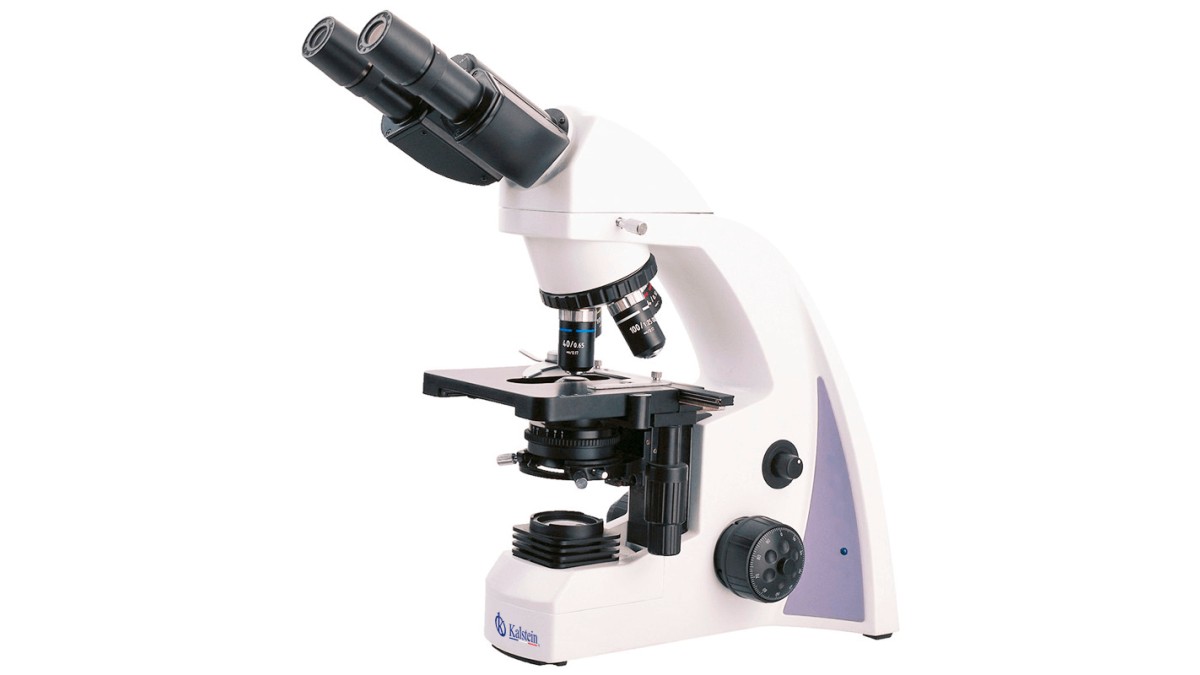
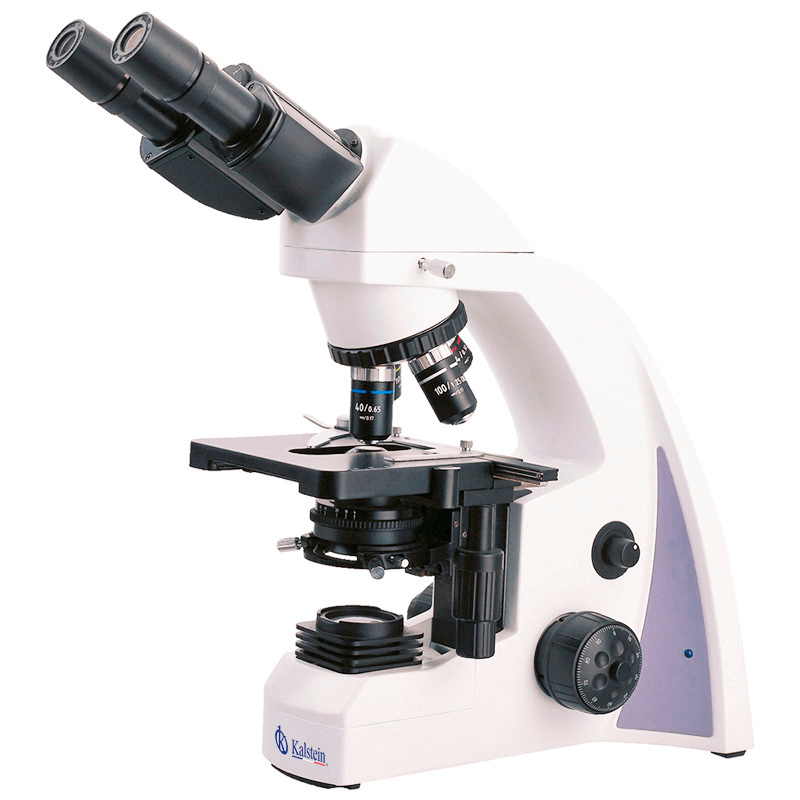
| Model | Best for | Key specs | Recommended use case |
|---|---|---|---|
| YR0237-0-1 | General laboratory microscopy | Price: $437.00 | Basic observational tasks in research settings. |
| YR0237-1 | Advanced laboratory microscopy | Price: $491.00 | Detailed examinations and advanced studies. |
| YR0237-1-1 | Versatile laboratory microscopy | Price: $448.10 | Flexible use in various research applications. |
| YR03731-1 | Low-volume liquid dispensing | Price: $13.00 for 10 μl | Ideal for precision tasks in molecular biology. |
| YR03731-2 | Low-volume liquid dispensing | Price: $13.00 for 20 μl | Examination of samples requiring high accuracy. |
| YR03731-3 | Low-volume liquid dispensing | Price: $13.00 for 25 μl | Efficient handling of small reagent volumes. |
Common mistakes and how to avoid them
Common mistakes in pipetting include:
- Not pre-wetting tips which can lead to inaccurate measurements.
- Holding the pipette at incorrect angles, affecting liquid transfer.
- Using the wrong tip size which can introduce errors.
To avoid these mistakes, always follow best practices for pipetting and ensure proper training for laboratory personnel.
Maintenance, calibration and good practices 2026
Regular maintenance of pipettes is crucial for accuracy. This includes:
- Cleaning the exterior and changing tips regularly.
- Calibrating pipettes at least once a year or after heavy use.
- Storing pipettes upright to prevent damage to the internal mechanisms.
Establishing a routine for maintenance and calibration ensures that pipettes provide reliable and accurate results in laboratory settings.
Cost-benefit analysis 2026
Investing in high-quality pipettes can reduce costs associated with errors in liquid handling. While the initial investment may be higher, the long-term benefits include improved accuracy, reduced waste, and enhanced throughput in laboratory workflows. Regular maintenance and calibration also contribute to cost savings by prolonging the lifespan of pipetting equipment.
Frequently asked questions
What is the ideal volume range for pipettes?
The ideal volume range for pipettes varies by model, but generally, they are designed to handle specific volume ranges efficiently. It's essential to select a pipette that fits the volume requirements of your laboratory tasks.
How often should I calibrate my pipette?
Pipettes should be calibrated at least once a year or more frequently if they are used heavily. Calibration ensures that the pipette maintains accuracy and precision in liquid handling.
Can I use any tips with my pipette?
It is crucial to use compatible tips designed for your specific pipette model to ensure accurate liquid handling and prevent damage to the pipette.
What are the signs that my pipette needs maintenance?
Signs that your pipette may need maintenance include inconsistent volume delivery, visible wear on the pipette body, or difficulty in operating the plunger. Regular checks can help in early identification of issues.
How do I choose the right pipette for my needs?
Choosing the right pipette depends on the volume range, application type, and required precision. Consider the specific tasks you will perform when selecting a model.
If you are looking for a fusion of innovation and quality, you have come to the right place. At Kalstein, we offer you the luxury of exploring our exclusive catalog of laboratory equipment. We manufacture every device to the highest standards of excellence. Our intuitive and seamless online purchasing channels are designed for your convenience, securing the most competitive prices. Hesitate no longer — we bring science to life, it is time to become part of our community.