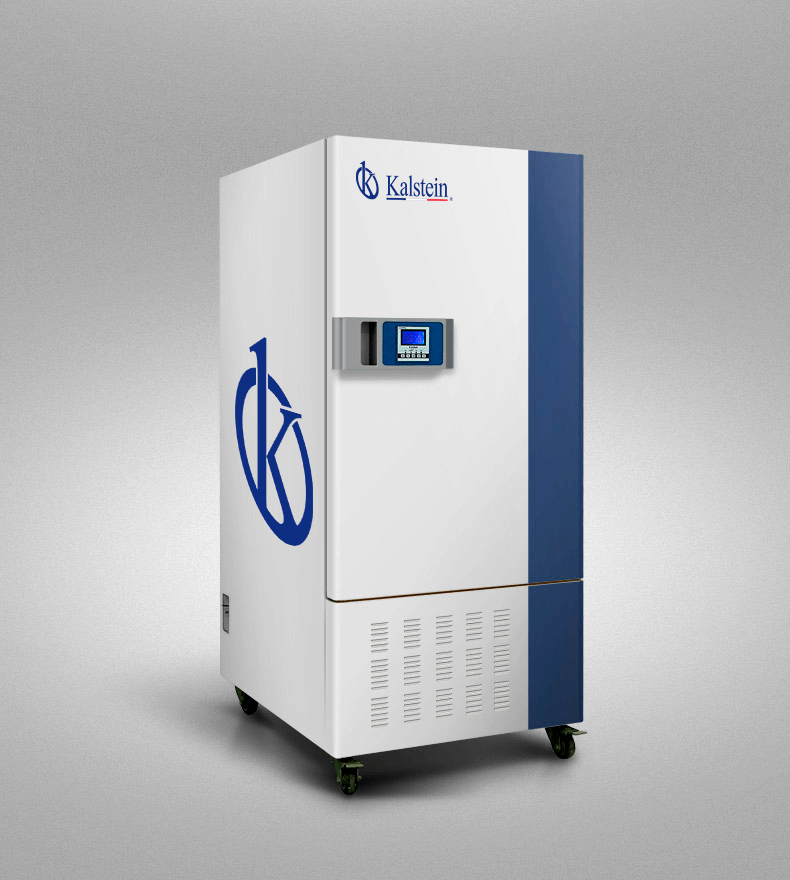
How to Choose a Portable Constant Temperature and Humidity Chamber for Field Laboratories?
In today’s fast-paced scientific environment, the demand for portable laboratory equipment has surged, especially in field laboratories where conditions are often unpredictable. Constant temperature and humidity chambers are crucial in these settings, providing the necessary control for various experiments, ranging from agricultural studies to pharmaceutical testing. This article will delve into the essential aspects of selecting a portable chamber that meets the unique needs of field laboratories.
Understanding the Importance of Miniaturization and Portability
Miniaturization in laboratory equipment has become a vital trend, especially for field laboratories. The main benefits include:
- Space Efficiency: Smaller chambers occupy less space, making them easier to transport and set up in various locations.
- Enhanced Accessibility: Portable designs allow researchers to conduct experiments in remote or challenging environments.
- Energy Efficiency: Modern designs, like those utilized in the YR05334 and YR05335 models, often come with high-efficiency insulation, minimizing energy consumption.
Key Features to Consider in a Constant Temperature and Humidity Chamber
When selecting a chamber, consider the following features:
- Temperature Range: A wide temperature range (0-60℃) is crucial for various experiments.
- Humidity Control: Look for models with a humidity control range of 40-95% to accommodate different testing requirements.
- Size and Weight: Portable models like the YR05336 and YR05337 are designed with mobility in mind, making them suitable for fieldwork.
- Display and Monitoring: Large LED displays, available in models like YR05338, enhance visibility and ease of monitoring during experiments.
Comparison of Available Models
| Model | Temperature Range (℃) | Humidity Range (%) | Price (USD) | Best For |
|---|---|---|---|---|
| YR05334 | 0~60℃ | 40~95% | 1870.00 | Long-term experiments |
| YR05335 | 0~60℃ | 40~95% | 2220.00 | Pharmaceutical testing |
| YR05336 | 0~60℃ | 40~95% | 3140.00 | Plant and seed cultivation |
| YR05337 | 0~60℃ | 40~95% | 1900.00 | Sample testing |
| YR05338 | 0~60℃ | 40~95% | 2250.00 | Microorganism growth |
| YR05339 | 0~60℃ | 40~95% | 3180.00 | Research applications |
Common Mistakes and How to Avoid Them
When selecting a constant temperature and humidity chamber, several common mistakes can lead to poor decisions:
- Neglecting to Assess the Application: Ensure the chamber matches the specific testing requirements; for example, using the YR05336 for plant cultivation may be more beneficial than a less capable model.
- Overlooking Mobility Features: Choose models designed for portability, like the YR05337, which enhance field usability.
- Ignoring Energy Efficiency: Opt for models with high-efficiency insulation to minimize running costs and environmental impact.
Frequently Asked Questions
What is the best temperature range for constant temperature and humidity chambers?
The best temperature range for constant temperature and humidity chambers is typically 0-60℃. Models such as YR05334 offer this range, making them versatile for various applications.
How does humidity control affect laboratory experiments in field conditions?
Humidity control is crucial for laboratory experiments as it can impact sample integrity. The YR05335 model, with a humidity range of 40-95%, is excellent for maintaining optimal conditions.
Which constant temperature and humidity chamber is most portable for field use?
The YR05337 model is known for its portability and is ideal for conducting experiments in diverse field conditions, providing reliable performance in various environments.
How do I ensure energy efficiency in a portable chamber?
To ensure energy efficiency in a portable chamber, look for models with high-efficiency insulation. For instance, the YR05338 is designed to minimize energy consumption while maintaining performance.
What are the typical applications for constant temperature and humidity chambers?
Typical applications include testing samples, conducting long-term experiments, and cultivating plants and microorganisms. Models like YR05339 are particularly well-suited for research applications.
How can I assess the performance of different models in field conditions?
Assessing the performance involves testing temperature and humidity stability in real-world scenarios. Utilizing models like YR05336 can provide insights into their reliability and efficiency in field settings.
Which model offers the best monitoring capabilities for field use?
The YR05334 features a large LED display for monitoring conditions easily, making it one of the best options for field use where visibility is key.
How can I integrate constant temperature and humidity chambers with laboratory information systems?
Integration can be achieved by ensuring the model supports relevant data protocols. The YR05335 model may offer compatibility with various data systems to streamline laboratory workflows.
If you are looking for a fusion of innovation and quality, you have come to the right place. At Kalstein, we offer you the luxury of exploring our exclusive catalog of laboratory equipment. We manufacture every device to the highest standards of excellence. Our intuitive and seamless online purchasing channels are designed for your convenience, securing the most competitive prices. Hesitate no longer — we bring science to life, it is time to become part of our community.