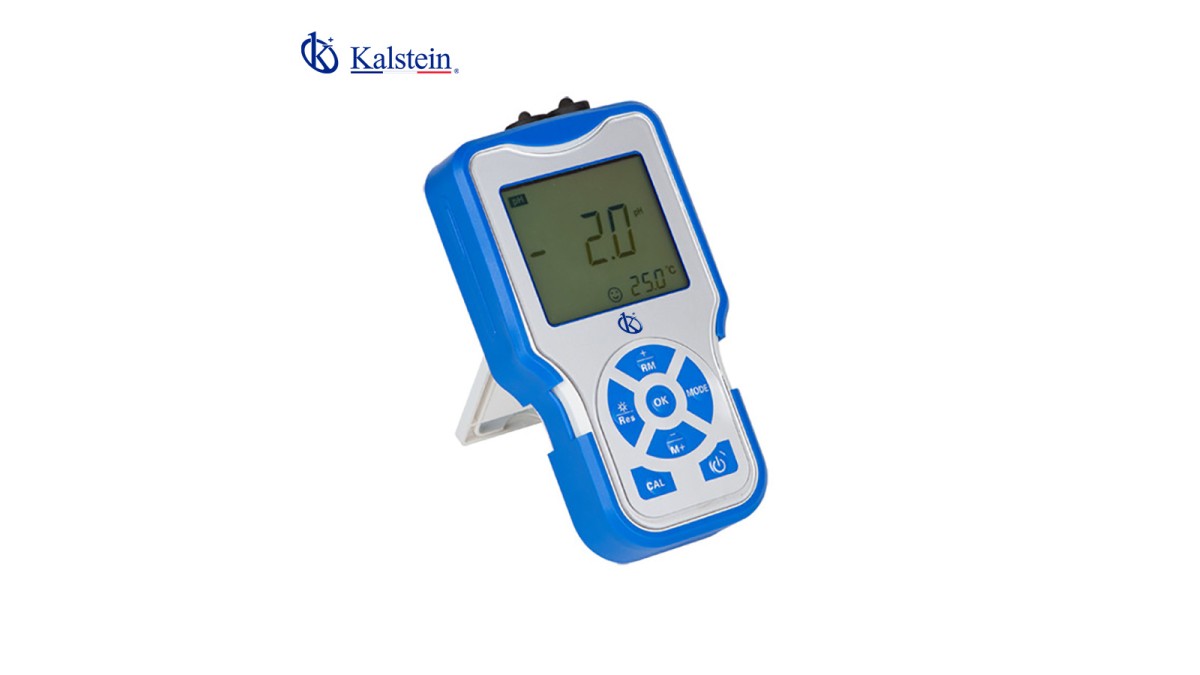
Portable Ion Meters: Step-by-Step Usage Guide for 2026
Portable ion meters are essential tools in laboratories for measuring ion concentrations accurately and efficiently. Understanding how to effectively use these devices is crucial for laboratory professionals aiming to achieve precise results. This guide will provide insights into their applications, usage techniques, and best practices in 2026.
What is it used for in 2026
In 2026, portable ion meters are primarily used for measuring various ions in solutions, such as pH, ammonium ions, and other specific ions relevant to different industries. They play a vital role in environmental monitoring, agricultural assessments, and water quality testing. These devices help ensure that the ion concentrations in samples meet regulatory standards and are suitable for further processing or analysis.
History and evolution of the technology
The technology behind portable ion meters has evolved significantly over the past few decades. Originally, ion measurement required sophisticated laboratory setups that were not easily accessible. The advent of portable ion meters has revolutionized the field, allowing for real-time measurements in the field and reducing the time between sampling and analysis. Innovations in sensor technology, digital displays, and calibration protocols have made these devices more user-friendly and precise.
How to use it step by step
Using a portable ion meter involves the following steps:
- Preparation: Ensure the device is clean and calibrated. Check the battery level and make sure all necessary solutions are available.
- Calibration: Calibrate the meter using standard buffer solutions to ensure accuracy. Follow the manufacturer’s instructions for proper calibration procedures.
- Sample Preparation: Prepare the sample by ensuring it is at a suitable temperature and free from particulates. If necessary, filter the sample before measurement.
- Measurement: Immerse the electrode in the sample and allow the meter to stabilize before recording the reading. Ensure to take note of any additional parameters displayed, such as temperature.
- Post-Measurement: Clean the electrode with distilled water after use and store it according to the manufacturer's recommendations.
Best techniques and protocols
To obtain the best results while using portable ion meters, consider the following techniques and protocols:
- Always calibrate with fresh buffer solutions to ensure accuracy.
- Regularly check the electrode for signs of wear and replace if necessary.
- Maintain a log of calibration dates and measurements for quality control.
- Use appropriate rinses between different samples to avoid cross-contamination.
Practical applications by laboratory type
Portable ion meters have various applications across different laboratory types:
- Environmental Laboratories: For monitoring water quality in natural bodies of water.
- Agricultural Laboratories: To analyze soil and nutrient levels, ensuring optimal crop growth.
- Clinical Laboratories: For testing samples in blood analysis or other biological assessments.
Regulations, standards and certifications
In 2026, portable ion meters must comply with various regulations and standards such as ISO 17025 for testing and calibration laboratories. Additionally, devices should adhere to local environmental regulations regarding water and soil quality testing. Certifications from recognized bodies ensure that the equipment meets industry standards for accuracy and reliability.
Comparison with alternative technologies
Compared to alternative technologies like laboratory-based ion analyzers or colorimetric methods, portable ion meters provide numerous advantages:
- Portability: Easily transportable for fieldwork.
- Real-time Results: Immediate feedback on ion concentrations.
- Cost-Effectiveness: Generally lower investment compared to full laboratory setups.
Comparison of available models
| Model | Best for | Key specs | Recommended use case |
|---|---|---|---|
| YR01816 | General ion concentration measurement | pH range: -2.000 to 20.000, Accuracy: ±0.002 pH | Laboratory and field testing |
| YR01817-1 | Ammonium ion measurement | Concentration range: 5 × 10⁻⁶ to 1 M, Accuracy: ±0.5% FS | Environmental studies and agriculture |
| YR01817-10 | Ammonium ion measurement | Same as YR01817-1 | Field testing in various environments |
| YR01817-11 | Ammonium ion measurement | Same as YR01817-1 | Versatile use in different laboratories |
| YR01817-12 | Ammonium ion measurement | Same as YR01817-1 | Advanced testing requirements |
| YR01817-13 | Ammonium ion measurement | Same as YR01817-1 | Comprehensive environmental analysis |
Common mistakes and how to avoid them
Laboratory professionals often encounter mistakes while using portable ion meters. Here are some common errors and how to avoid them:
- Inadequate Calibration: Regularly calibrate using standard solutions to prevent inaccurate readings.
- Neglecting Maintenance: Clean electrodes and check for wear to ensure optimal performance.
- Ignoring Temperature Effects: Be aware of temperature variations and their effects on measurements.
Maintenance, calibration and good practices 2026
Maintaining portable ion meters is crucial for their longevity and accuracy:
- Regularly calibrate the meters with fresh standards.
- Store electrodes in appropriate solutions when not in use.
- Document all maintenance and calibration procedures for traceability.
Cost-benefit analysis 2026
When evaluating the cost-benefit of portable ion meters, consider the following:
- Initial Investment: Compare the costs of different models and their features.
- Long-Term Usage: Calculate the potential savings from improved efficiency and reduced lab time.
- Regulatory Compliance: Ensure that the investment supports compliance with industry standards, which can prevent costly penalties.
Frequently asked questions
How do I choose the right portable ion meter for my laboratory?
Consider the specific ions you will be measuring, the required accuracy, and the environment in which the meter will be used. Review the features and specifications of different models to make an informed decision.
What maintenance is required for portable ion meters?
Regular cleaning of the electrode, calibration with standard solutions, and proper storage are essential for maintaining the performance of portable ion meters.
Can portable ion meters be used for field testing?
Yes, portable ion meters are designed for field testing and provide real-time results that are crucial for environmental monitoring and other outdoor applications.
What are the common calibration procedures for portable ion meters?
Calibration typically involves using standard buffer solutions at known concentrations. Follow the manufacturer's guidelines for the number of points and the method of calibration.
How often should I calibrate my portable ion meter?
Calibration frequency depends on usage; however, it is recommended to calibrate before each use and after any significant temperature changes or if accuracy is in question.
What is the lifespan of a portable ion meter?
The lifespan varies by model and usage, but with proper care and maintenance, they can last several years. Regular checks and timely replacement of electrodes contribute to longevity.
How do I handle electrode replacement?
Follow the manufacturer's instructions for replacing the electrode, ensuring that you use compatible replacements. Proper handling and storage of the new electrode are vital for its longevity.
If you are looking for a fusion of innovation and quality, you have come to the right place. At Kalstein, we offer you the luxury of exploring our exclusive catalog of laboratory equipment. We manufacture every device to the highest standards of excellence. Our intuitive and seamless online purchasing channels are designed for your convenience, securing the most competitive prices. Hesitate no longer — we bring science to life, it is time to become part of our community.