Precision Balances: Best Techniques and Protocols in 2026
What is it used for in 2026
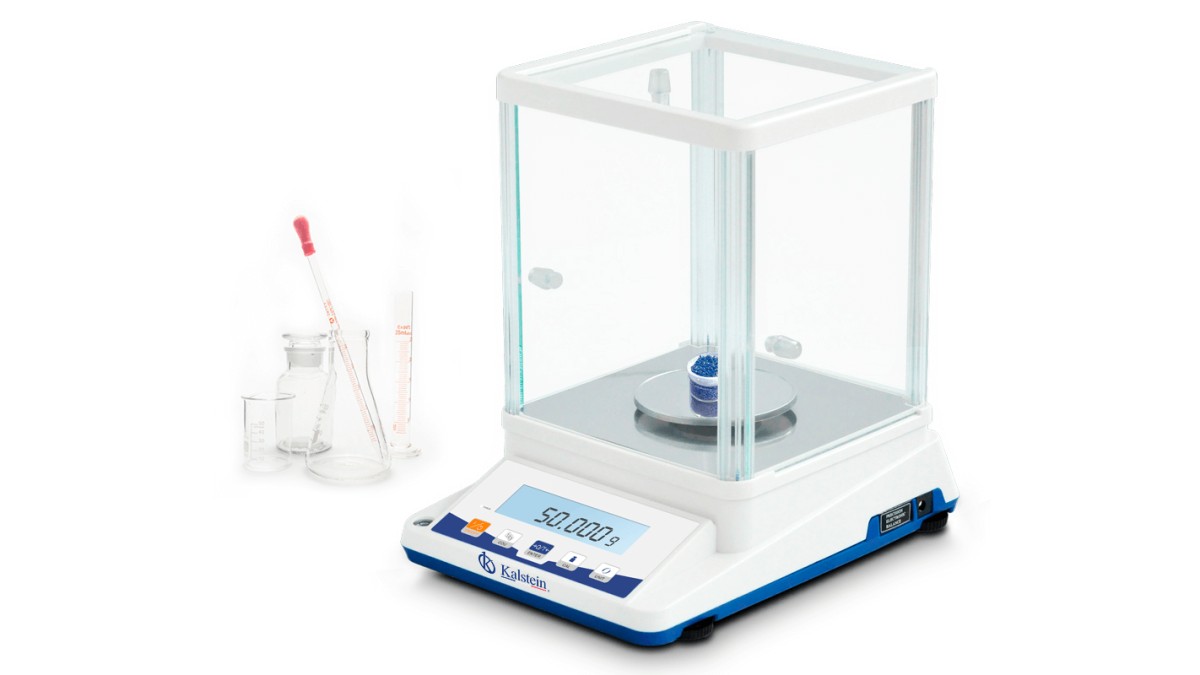
Precision balances are essential tools in laboratories for accurately measuring mass. In 2026, their applications extend across various fields including pharmaceuticals, food production, and academic research. These balances provide high-resolution measurements, enabling scientists and technicians to conduct experiments with precision and reliability. They are pivotal in ensuring compliance with regulatory standards and enhancing the accuracy of results, which is crucial in any laboratory setting.
History and evolution of the technology
The evolution of precision balances dates back to the early days of scientific measurement. Initially, mechanical balances relied on physical weights and levers. With advancements in technology, electronic precision balances emerged, offering improved accuracy and ease of use. In 2026, these balances incorporate sophisticated features such as touchscreen interfaces, connectivity for data logging, and advanced error correction algorithms. This evolution reflects the growing demand for precision in scientific research and quality control processes.
How to use it step by step
Using a precision balance effectively requires following specific steps:
- Preparation: Ensure the balance is clean and placed on a stable, vibration-free surface.
- Calibration: Calibrate the balance before use, following the manufacturer’s instructions. This typically involves using certified weights.
- Power on: Turn on the balance and allow it to warm up for several minutes.
- Tare the balance: Place a container on the balance and tare it to zero out its weight.
- Measurement: Add the sample to the tared container and record the weight displayed on the screen.
- Documentation: Document the measurements and any relevant data for further analysis.
Best techniques and protocols
To obtain the most accurate results with precision balances, the following techniques and protocols should be adhered to:
- Always perform a calibration check daily before measurements.
- Minimize air currents around the balance by using draft shields.
- Ensure the balance is level and free from vibrations.
- Handle samples carefully to avoid moisture absorption or contamination.
- Use appropriate weighing containers to prevent sample loss and facilitate easy disposal.
Practical applications by laboratory type
Different laboratory types utilize precision balances in various ways:
- Pharmaceutical laboratories: For precise formulation of compounds and active ingredients.
- Food industry: In quality control to measure ingredients accurately and ensure compliance with regulatory standards.
- Academic research: In experiments requiring precise mass measurements to validate hypotheses and results.
- Environmental laboratories: For analyzing samples and pollutants to assess environmental impact.
Regulations, standards and certifications
In 2026, laboratories must comply with various regulations regarding the use of precision balances. These include:
- ISO 9001 for quality management systems.
- ISO/IEC 17025 for testing and calibration laboratories.
- FDA regulations for pharmaceutical laboratory practices.
- Good Laboratory Practices (GLP) guidelines to ensure quality and reliability of test results.
Comparison with alternative technologies
While precision balances are the gold standard for mass measurement, alternative technologies such as analytical balances and load cells exist. Analytical balances offer higher precision but are more expensive and may not be necessary for all applications. Load cells are utilized in industrial settings for bulk measurements but lack the finesse of precision balances used in laboratories. Choosing the right technology depends on the specific application and required measurement accuracy.
Comparison of available models
| Model | Best for | Key specs | Recommended use case |
|---|---|---|---|
| YR05584 | General laboratory use | Capacity: 110g, Readability: 0.001g | Basic weighing tasks |
| YR05585 | General laboratory use | Capacity: 210g, Readability: 0.001g | Medium precision tasks |
| YR05586 | General laboratory use | Capacity: 310g, Readability: 0.001g | Advanced weighing experiments |
| YR05587 | Research applications | Capacity: 110g/610g, Readability: 0.001g | Versatile research tasks |
| YR05588 | Food industry | Capacity: 210g, Readability: 0.01g | Ingredient measurement |
| YR05589 | Food industry | Capacity: 310g, Readability: 0.01g | Quality control |
Common mistakes and how to avoid them
Laboratory professionals often encounter several pitfalls when using precision balances. Common mistakes include:
- Neglecting calibration: Always calibrate before use to ensure accuracy.
- Ignoring environmental factors: Ensure the balance is placed away from drafts and direct sunlight.
- Improper sample handling: Use tools like tweezers or gloves to handle samples to avoid contamination.
Maintenance, calibration and good practices 2026
Regular maintenance is crucial for the longevity of precision balances. Best practices include:
- Performing daily calibration checks.
- Cleaning the balance after each use to prevent residue build-up.
- Storing the balance in a dust-free environment when not in use.
- Following the manufacturer’s guidelines for servicing and repairs.
Cost-benefit analysis 2026
Investing in precision balances offers significant returns in terms of accuracy and reliability. While the initial cost may be higher compared to basic scales, the long-term benefits include:
- Improved accuracy reduces waste and errors in experiments.
- Compliance with regulatory standards enhances laboratory credibility.
- Durability and longevity of equipment lead to lower replacement costs over time.
Frequently asked questions
What should I look for when choosing a precision balance?
When selecting a precision balance, consider factors such as capacity, readability, features like tare functions, and environmental factors like draft shields.
How often should I calibrate my precision balance?
Calibration should be performed daily or before significant weighing tasks to ensure accurate results.
Can precision balances be used in a field setting?
While precision balances are designed for laboratory use, portable models may be suitable for field applications with considerations for stability and environmental conditions.
What is the best way to clean a precision balance?
Use a soft, lint-free cloth and mild cleaning solutions to avoid damaging the balance's surface and components.
How can I prevent measurement errors when using a balance?
Ensure proper calibration, minimize air currents, and handle samples carefully to avoid contamination.
Are there specific regulations for using precision balances in laboratories?
Yes, laboratories must comply with ISO and FDA regulations depending on their application, ensuring quality and reliability in measurements.
Where can I find high-quality precision balances?
You can request a quote on Kalstein Plus for a range of high-quality precision balances tailored to your needs.
If you are looking for a fusion of innovation and quality, you have come to the right place. At Kalstein, we offer you the luxury of exploring our exclusive catalog of laboratory equipment. We manufacture every device to the highest standards of excellence. Our intuitive and seamless online purchasing channels are designed for your convenience, securing the most competitive prices. Hesitate no longer — we bring science to life, it is time to become part of our community.