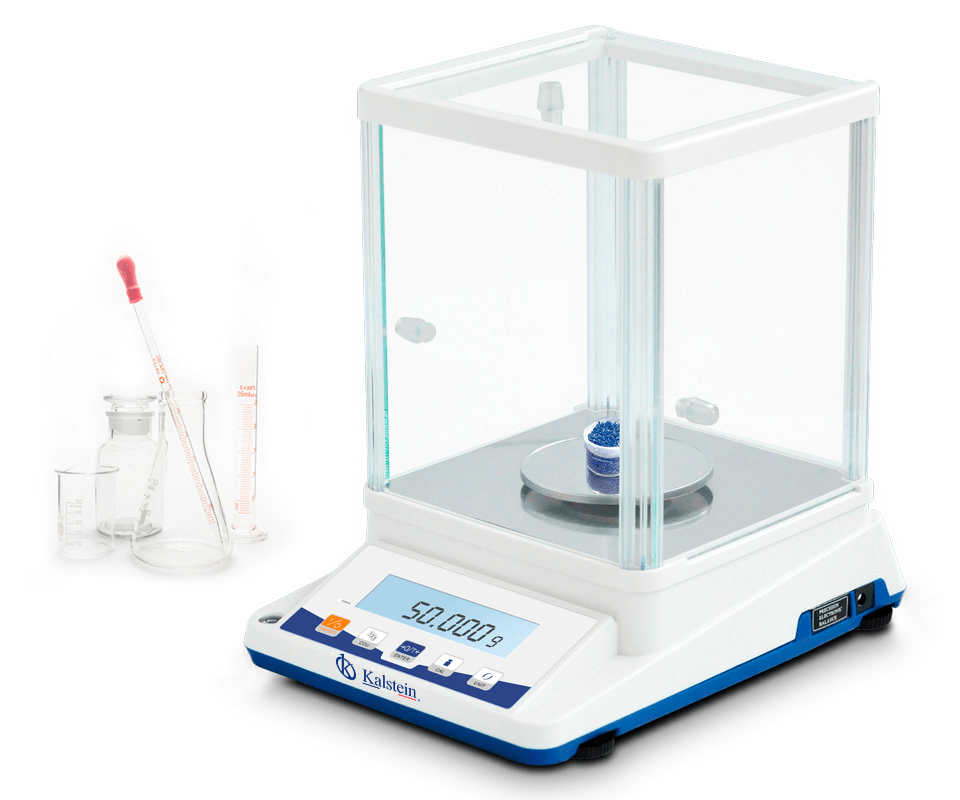
Precision Balances: ROI and Cost-Benefit Analysis for the Lab 2026
In the ever-evolving landscape of laboratory equipment, precision balances stand as a cornerstone in achieving accurate measurements essential for various scientific endeavors. This article offers a comprehensive examination of the ROI and cost-benefit analysis of precision balances for laboratory professionals in 2026, focusing on the models available in this category.
Understanding Precision Balances in Terms of ROI
Precision balances are vital tools in laboratory settings, where accuracy in weight measurement impacts overall research outcomes. The ROI from investing in precision balances can be evaluated through various metrics including initial costs, operational savings, and the quality of results produced over time. Factors such as calibration frequency, reliability, and maintenance costs contribute significantly to the total cost of ownership, which should be carefully analyzed when selecting a model.
Comparison of Available Models
| Model | Capacity (g) | Price (USD) | Best for |
|---|---|---|---|
| YR05584 | 110 | 75.00 | Basic laboratory use |
| YR05585 | 210 | 80.00 | Moderate weight precision |
| YR05586 | 310 | 80.00 | Higher capacity needs |
| YR05587 | 610 | 80.00 | Industrial applications |
| YR05588 | 2100 | 31.00 | General purpose use |
| YR05589 | 3100 | 31.00 | Heavy-duty requirements |
Evaluating Cost-Benefit with Precision Balances
The cost-benefit analysis involves more than just comparing the purchase price of each model. Factors such as longevity, maintenance, and operational efficiencies should be factored in. For instance, the YR05584 model, priced at $75.00, offers a great entry point for labs needing basic functionality, whereas the YR05588 model, costing $31.00, may provide a better long-term investment for high-volume operations due to its larger capacity.
Common Mistakes and How to Avoid Them
When selecting a precision balance, laboratories should avoid common pitfalls such as underestimating the importance of capacity needs and failing to consider long-term operational costs. For instance, choosing a low-capacity model for high volume applications can lead to inefficiencies and increased wear on the equipment. Always assess the specific requirements of your lab's operations before making a selection.
Precision Balance Maintenance and Calibration Costs
Regular calibration is essential for maintaining the accuracy of precision balances. The costs associated with calibration services can vary by model but should be factored into the overall ROI. For instance, models like YR05584 and YR05585 require external calibration which may incur additional costs, while higher-end models may offer more stability and lower long-term calibration frequency.
Integration of Precision Balances in Lab Processes
Integrating precision balances into laboratory processes can enhance efficiency and accuracy. For example, connecting these balances to laboratory management systems can streamline data collection and minimize manual entry errors. Depending on the model, certain balances may offer connectivity options that facilitate such integrations, making them a crucial investment for modern laboratories.
FAQs
How much does a precision balance impact ROI in a laboratory setting by 2026?
The ROI from a precision balance can significantly impact lab operations, particularly by reducing errors and improving data accuracy. For instance, models like YR05584 and YR05585, with prices of $75.00 and $80.00 respectively, can streamline processes that lead to cost savings over time.
Which precision balance model is best for high-capacity laboratory needs in 2026?
The YR05587 model stands out with a capacity of 610g, making it ideal for high-capacity laboratory needs. With a competitive price of $80.00, it balances capacity with affordability.
How do calibration costs affect the ROI of precision balances in 2026?
Calibration costs are critical in determining the ROI of precision balances. Regular calibration ensures accuracy, but models like YR05584 may incur higher costs in calibration services compared to more stable models that require less frequent servicing.
What is the average cost of a precision balance for laboratory use in 2026?
The average cost of precision balances for laboratory use varies. Basic models like YR05584 are priced at $75.00, while more advanced options such as YR05588 can be as low as $31.00, reflecting a wide range of available pricing based on features and capabilities.
How does the choice of precision balance affect lab productivity in 2026?
The choice of precision balance can greatly affect lab productivity. High-capacity models like YR05587 can process more samples with enhanced accuracy, thus minimizing bottlenecks and improving throughput in laboratory operations.
What should laboratories consider when selecting a precision balance in 2026?
Laboratories should consider factors such as capacity, precision, maintenance costs, and integration capabilities when selecting a precision balance. For example, the YR05585 model at $80.00 offers a mid-range capacity that is suitable for various applications.
If you are looking for a fusion of innovation and quality, you have come to the right place. At Kalstein, we offer you the luxury of exploring our exclusive catalog of laboratory equipment. We manufacture every device to the highest standards of excellence. Our intuitive and seamless online purchasing channels are designed for your convenience, securing the most competitive prices. Hesitate no longer — we bring science to life, it is time to become part of our community.