How to Implement Predictive Maintenance and Recommended Calibration for Biochemical BOD Incubators?
Biochemical BOD incubators are crucial for testing the biological oxygen demand of water samples, ensuring that environmental and health standards are met. To maintain the reliability and accuracy of these devices, implementing predictive maintenance and adhering to recommended calibration schedules are essential. This article delves into the significance of these practices, providing laboratory professionals with a comprehensive guide to optimizing their incubators.
Understanding Biochemical BOD Incubators
Biochemical BOD incubators, designed to provide accurate temperature control for biological assessments, are vital in various laboratory settings. These incubators maintain sample integrity throughout the testing period, which typically lasts five days. The precision of temperature regulation is paramount, and even minor deviations can influence the test results significantly.
Integrating predictive maintenance strategies ensures that the incubators operate at peak performance, reducing the chances of unexpected failures, which can lead to prolonged downtimes and costly repairs. Regular calibration also guarantees that the temperature settings remain within the specified ranges necessary for accurate tests.
Importance of Predictive Maintenance
Predictive maintenance utilizes data-driven insights to anticipate when maintenance should occur. Rather than adhering to a fixed schedule, this method allows laboratories to focus resources on maintaining incubators only when necessary, based on actual usage and performance data.
Implementing predictive maintenance benefits laboratory operations in several ways:
- Cost Efficiency: Minimizes unnecessary maintenance expenses by addressing only the equipment that requires attention.
- Extended Equipment Lifespan: Regular monitoring and timely intervention can prolong the life of biomedical equipment.
- Reduced Downtime: Predictive maintenance leads to fewer surprises by proactively handling issues before they escalate.
Recommended Calibration Practices
Calibration of biochemical BOD incubators is vital to ensure that they meet operational standards and maintain sample integrity. Calibration should be performed regularly under controlled conditions, following a predetermined schedule based on the manufacturer's recommendations and laboratory usage.
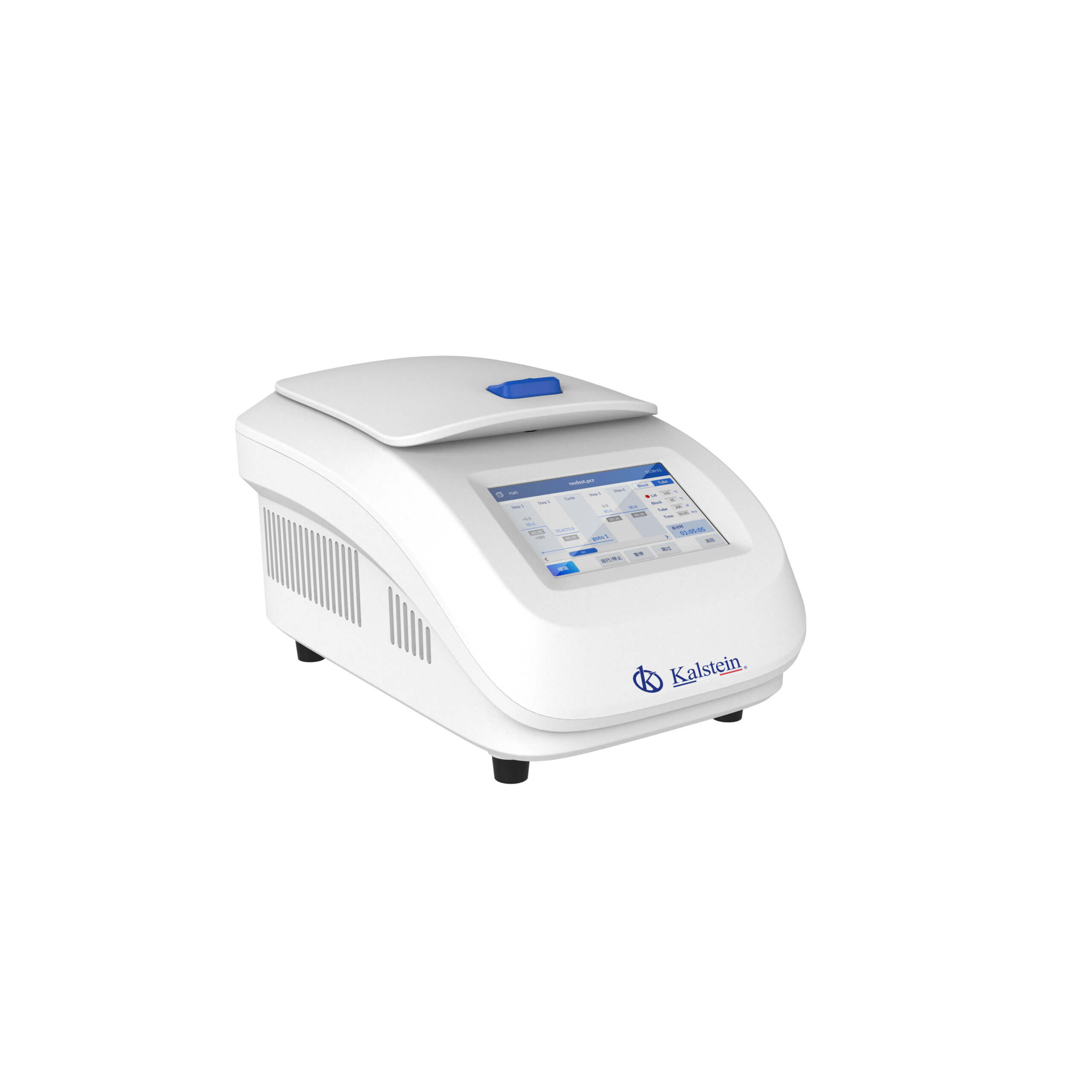
For instance, the Heated Lid Dry Bath Incubator YR05889 provides advanced temperature control with a range of RT -25°C to 100°C, and accuracy of ±0.5°C. This model's capabilities make it suitable for regular calibration checks, ensuring that tests yield reliable results.
Factors Influencing Calibration Frequency
Several factors can influence how often you should calibrate your incubators:
- Frequency of Use: Equipment utilized more frequently may require more regular calibration.
- Environmental Conditions: Labs with fluctuating temperatures may need monthly checks compared to more stable environments.
- Manufacturer Specifications: Adhering to the calibration intervals defined by manufacturers is crucial for maintaining warranty conditions and operational compliance.
Implementing a Calibration Schedule
Establishing a calibration schedule involves considering the previously discussed factors and aligning them with operational needs. A sample calibration schedule might include:
| Model | Calibration Frequency | Last Calibration Date | Next Calibration Due |
|---|---|---|---|
| YR05889 | Monthly | 2023-05-01 | 2023-06-01 |
| YR05890 | Quarterly | 2023-04-15 | 2023-07-15 |
| YR05891 | Bi-Annually | 2023-03-10 | 2023-09-10 |
| YR05892 | Bi-Annually | 2023-03-15 | 2023-09-15 |
| YR05893 | Quarterly | 2023-04-20 | 2023-07-20 |
| YR05894 | Monthly | 2023-05-05 | 2023-06-05 |
Common Calibration Mistakes and How to Avoid Them
Calibration processes can be prone to errors that may affect the reliability of results. Here are some common mistakes and strategies to mitigate them:
- Ignoring Manufacturer Guidelines: Always consult the manufacturer’s manual for specific calibration procedures to ensure compliance and accuracy.
- Inconsistent Calibration Records: Maintain a detailed log of all calibration activities, including dates and results, to track performance over time.
- Failure to Use Reference Standards: Ensure that you are using traceable standards for calibration to guarantee accuracy.
Comparison of Available Models
| Model | Temperature Range | Accuracy | Best For |
|---|---|---|---|
| YR05889 | RT -25°C to 100°C | ±0.5°C | Sample preservation and reactions |
| YR05890 | RT +5°C to 100°C | ±0.5°C | Comprehensive testing applications |
| YR05891 | RT +5°C to 100°C | ±0.3°C | Quick inspection kits |
| YR05892 | RT +5°C to 100°C | ±0.3°C | Portable applications |
| YR05893 | RT +5°C to 100°C | ±0.3°C | Mobile laboratory setups |
| YR05894 | RT +5°C to 105°C | ±0.3°C | Wide-ranging laboratory tasks |
Frequently Asked Questions
How often should I calibrate my YR05889 incubator for accuracy?
The YR05889 incubator should ideally be calibrated monthly to maintain its accuracy of ±0.5°C, ensuring reliable results for your biochemical analyses. Proper calibration helps to minimize deviations that can affect biological oxygen demand tests.
What are the benefits of predictive maintenance for the YR05890 incubator?
Implementing predictive maintenance for the YR05890 incubator reduces unexpected failures and downtime, enhances its operational efficiency, and extends its lifespan. By monitoring its performance regularly, you can ensure it operates optimally, adhering to precise temperature controls.
Which calibration standards apply to the YR05891 incubator?
The YR05891 incubator should adhere to industry calibration standards based on its precision of ±0.3°C. Calibration should be performed using traceable temperature standards to ensure compliance with regulatory requirements in laboratory settings.
What is the recommended calibration frequency for the YR05894 model?
The YR05894 model is recommended for monthly calibration due to its critical role in maintaining temperature accuracy for various laboratory tests. Regular calibration ensures sample integrity and compliance with testing standards.
How can I implement a maintenance plan for my YR05892 incubator?
To implement a maintenance plan for the YR05892 incubator, establish a schedule that includes regular checks, cleaning, and calibration every six months. This approach enhances performance and ensures reliable operation in your lab.
What are the key features of the YR05893 incubator for BOD testing?
The YR05893 incubator features a temperature range of RT +5°C to 100°C and an accuracy of ±0.3°C, making it ideal for BOD testing. Its compact design and portability increase its utility in various lab environments.
If you are looking for a fusion of innovation and quality, you have come to the right place. At Kalstein, we offer you the luxury of exploring our exclusive catalog of laboratory equipment. We manufacture every device to the highest standards of excellence. Our intuitive and seamless online purchasing channels are designed for your convenience, securing the most competitive prices. Hesitate no longer — we bring science to life, it is time to become part of our community.