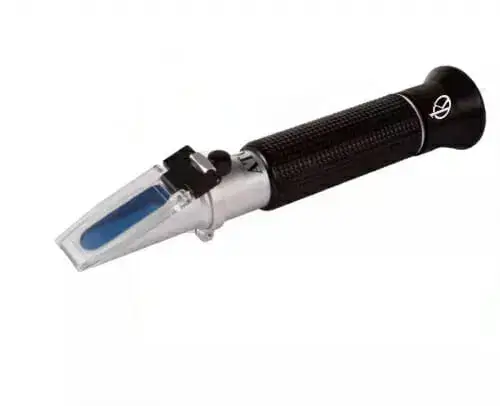
How to Implement Predictive Maintenance and Recommended Calibration for Car Refractometers
In the realm of laboratory equipment, precision is paramount, especially when it comes to car refractometers. These devices are crucial for measuring the concentration of antifreeze solutions and ensuring the proper functioning of automotive fluids. This article delves into the significance of predictive maintenance and routine calibration, focusing on how these practices can enhance the reliability and accuracy of car refractometers.
The Role of Predictive Maintenance in Laboratory Settings
Predictive maintenance involves the use of condition-monitoring tools and techniques to track the performance of equipment during normal operations. For car refractometers, this approach is essential as it allows laboratory professionals to anticipate equipment failures before they occur, reducing downtime and maintenance costs. By implementing a robust predictive maintenance program, laboratories can ensure that their refractometers remain in optimal condition for high-accuracy measurements.
Understanding Calibration and Its Importance
Calibration is a critical process that ensures the accuracy of measurement devices like car refractometers. Regular calibration against known standards allows for the identification of any discrepancies in measurement readings. It is recommended that car refractometers undergo calibration periodically to maintain accuracy. The interval for calibration may vary based on usage frequency and the operating environment, but a general guideline is to calibrate at least once every six months.
Common Calibration Standards for Car Refractometers
Several calibration standards are used in the industry for car refractometers, including ASTM D3321 and ISO 13485. Compliance with these standards ensures that the refractometers deliver precise readings that meet laboratory requirements. Utilizing certified calibration fluids specific to the refractometer's operating range is also critical for accuracy.
Comparison of Available Models
| Model | Measurement Range | Min. Division | ATC | Best For |
|---|---|---|---|---|
| YR05916 | E:-60°C--0°C, P:-50°C-0°C | 0.01sg | Yes | General antifreeze concentration |
| YR05917 | E:-60°C--0°C, P:-50°C-0°C | 0.01sg | Yes | General antifreeze concentration |
| YR05918 | E:-60°F-32°F, P:-50°F-32°F | 0.01sg | Yes | Specific antifreeze and windshield fluid |
| YR05919 | E:-60°C--0°C, P:-50°C-0°C | 0.01sg | Yes | General antifreeze concentration |
| YR05920 | E:-60°C--0°C, P:-50°C-0°C | 0.01sg | Yes | General antifreeze concentration |
| YR05921 | E:-60°C--0°C, P:-50°C-0°C | 0.01sg | Yes | General antifreeze concentration |
Common Mistakes and How to Avoid Them
One of the frequent mistakes in the maintenance of car refractometers is neglecting regular calibration intervals. Users often assume that if the device appears to function correctly, it does not require calibration. However, environmental factors can significantly impact measurement accuracy. Another mistake is using incorrect calibration fluids, which can lead to erroneous readings. To avoid these pitfalls, establish a strict maintenance schedule and ensure all calibration fluids are certified and appropriate for the specific model in use.
Key Performance Indicators (KPIs) for Predictive Maintenance
Monitoring key performance indicators (KPIs) is essential for effective predictive maintenance. For car refractometers, KPIs such as Mean Time Between Failures (MTBF) and Mean Time To Repair (MTTR) are critical. Regular analysis of these metrics helps anticipate equipment failures and optimize the maintenance schedule. Aim for an MTBF of over 1,000 uses and an MTTR of less than 30 minutes to maintain operational efficiency.
Data Collection Methods for Predictive Maintenance
Implementing predictive maintenance requires meticulous data collection. For car refractometers, data on usage frequency, environmental conditions, and past maintenance records should be compiled. This data aids in identifying patterns that may indicate potential failures. Advanced monitoring systems can also be integrated to automate data collection and analysis, streamlining maintenance workflows.
Frequently Asked Questions
How often should I calibrate my car refractometer for best results?
It is recommended to calibrate your car refractometer every six months to ensure accuracy. Models like YR05916 or YR05917 benefit from this routine, as calibration helps detect discrepancies in antifreeze concentration measurements.
What are the consequences of not calibrating a car refractometer?
Neglecting calibration can lead to inaccurate readings, which may affect antifreeze concentration assessments. This is crucial for models like YR05918, where precise measurements are essential for operational safety and effectiveness.
Which calibration standards are applicable to car refractometers?
Car refractometers should adhere to standards like ASTM D3321 and ISO 13485 for calibration. Following these standards ensures reliable performance, particularly for models such as YR05916 and YR05920.
How can predictive maintenance reduce costs for car refractometers?
By implementing predictive maintenance, laboratories can minimize downtime and maintenance costs related to equipment failures. This approach ensures models like YR05921 are always ready for accurate measurements, thereby enhancing operational efficiency.
What specific features should I look for in a car refractometer?
Look for features like automatic temperature compensation (ATC) and a wide measurement range. Models like YR05917 and YR05918 include these features, making them suitable for various antifreeze solutions.
How can I ensure the longevity of my car refractometer?
Regular calibration, adherence to maintenance schedules, and proper usage techniques will prolong the lifespan of your car refractometer. Models such as YR05919 benefit greatly from consistent care and monitoring.
What is the best method for storing car refractometers?
Store car refractometers in a clean, dry environment at room temperature. Ensure that they are protected from extreme temperatures and humidity, which can affect models like YR05920 and their performance.
How do I choose the right model of car refractometer for my needs?
Consider the specific measurement needs and the antifreeze types you will be testing. Models like YR05918 are designed for specific fluids, while YR05916 and YR05917 offer versatility across various antifreeze solutions.
If you are looking for a fusion of innovation and quality, you have come to the right place. At Kalstein, we offer you the luxury of exploring our exclusive catalog of laboratory equipment. We manufacture every device to the highest standards of excellence. Our intuitive and seamless online purchasing channels are designed for your convenience, securing the most competitive prices. Hesitate no longer — we bring science to life, it is time to become part of our community.