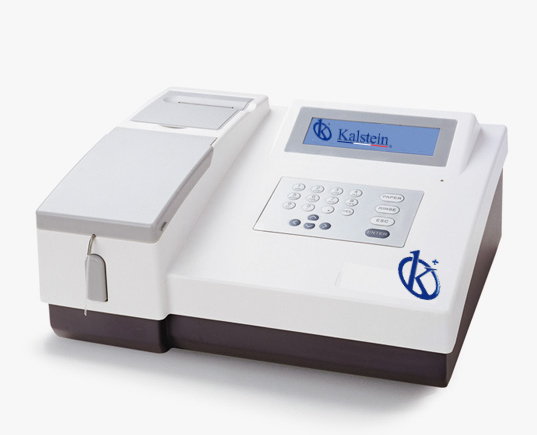
Predictive Maintenance and Recommended Calibration for Chemical Analyzers
In the fast-paced world of laboratory analysis, the reliability of chemical analyzers is paramount. Predictive maintenance and recommended calibration practices ensure that these crucial instruments operate at their best, producing accurate results while minimizing downtime. This article delves into the importance of these practices, examines various models, and provides insights tailored for laboratory professionals.
Understanding Predictive Maintenance in Chemical Analyzers
Predictive maintenance refers to a proactive approach that uses data analysis tools and techniques to anticipate equipment failures before they occur. This is especially relevant in the context of chemical analyzers, which must maintain precision and accuracy in their measurements.
Implementing predictive maintenance involves monitoring the condition of the analyzers through various parameters, such as temperature, pressure, and reagent usage. By analyzing trends in performance data, laboratories can schedule maintenance activities at optimal times, thus reducing unexpected breakdowns and prolonging the lifespan of their equipment.
Recommended Calibration Practices
Calibration ensures that an analyzer provides accurate and precise measurements. Regular calibration is essential for compliance with standards and regulations in laboratory environments. The typical recommendation is to calibrate chemical analyzers at predetermined intervals based on usage and manufacturer specifications.
Calibration should be performed using traceable standards, and laboratories must maintain detailed records of calibration activities, including dates, results, and any adjustments made. Such documentation is vital for meeting ISO/IEC standards, ensuring quality control, and facilitating laboratory audits.
Benefits of Predictive Maintenance and Calibration
Both predictive maintenance and calibration significantly contribute to the operational efficiency of chemical analyzers. Here are some key benefits:
- Improved Accuracy: Regular calibration ensures that analyzers deliver precise results, which is critical for research and clinical applications.
- Reduced Downtime: Predictive maintenance minimizes unexpected equipment failures, allowing laboratories to maintain continuous operations.
- Cost Savings: By avoiding costly repairs and maintaining accuracy, laboratories can save money in the long run.
- Regulatory Compliance: Adhering to calibration schedules helps labs meet necessary regulatory standards, such as ISO/IEC 17025.
Comparison of Available Models
| Model | Calibration Features | Predictive Maintenance Capabilities | Best For |
|---|---|---|---|
| YR05115 | Traceable standards, documented calibration | Data trend analysis, alerts for maintenance | Routine clinical analysis |
| YR05114 | Standardized procedures, customizable intervals | Performance monitoring software | General laboratory settings |
| YR06092 | Calibration support for multiple tube sizes | Temperature stability monitoring | Field analysis and research |
| YR06075 | Automated calibration protocols | High throughput monitoring capacity | High-demand laboratories |
| YR05116 | Continuous wavelength adjustment calibration | Real-time data feedback | Advanced analytical labs |
| YR06078 | Multi-protocol calibration modes | Integrated diagnostics | Comprehensive testing environments |
Common Mistakes and How to Avoid Them
Laboratories often encounter challenges when implementing predictive maintenance and calibration. Here are common mistakes and strategies to avoid them:
- Neglecting Documentation: Always maintain meticulous records of calibration and maintenance activities to ensure compliance and traceability.
- Skipping Calibration Schedules: Adhere strictly to recommended calibration intervals to avoid inaccuracies.
- Inadequate Training: Ensure that all personnel involved in maintenance and calibration are properly trained to handle the equipment.
Frequently Asked Questions
How often should I calibrate a chemical analyzer like the YR05115?
Calibration frequency for the YR05115 should follow manufacturer recommendations and be based on the analyzer's usage. Regular checks, ideally every 3 to 6 months, are crucial to maintain accuracy and compliance with ISO/IEC standards.
What are the predictive maintenance features of the YR06075 model?
The YR06075 model incorporates automated performance monitoring, allowing laboratories to proactively address issues before they impact analysis. This includes alerts for maintenance based on usage patterns and equipment performance data.
How can I ensure compliance with ISO standards when using chemical analyzers?
To ensure ISO compliance, maintain detailed calibration records, use traceable standards, and follow recommended maintenance schedules for models like the YR05114 and YR06078. Regular audits can also help in maintaining compliance.
What are the cost implications of predictive maintenance for chemical analyzers?
Predictive maintenance can significantly reduce overall costs by minimizing downtime and preventing unexpected repairs. For example, laboratories using models like the YR06092 can expect long-term savings through efficient operations and reliable performance.
How does the calibration of the YR05116 improve accuracy?
The YR05116 features a continuous wavelength adjustment system that enhances calibration precision. This adaptability ensures the analyzer's readings remain reliable across various testing conditions, key for compliance with laboratory standards.
What types of data should I monitor for predictive maintenance?
Monitoring parameters such as temperature, reagent usage, and performance trends is essential for predictive maintenance. For chemical analyzers like the YR06075, tracking these metrics can help predict failures and schedule timely maintenance.
Why is detailed documentation essential in chemical analyzer calibration?
Detailed documentation is crucial for proving compliance with regulations and for internal quality control. It builds a history of performance that can guide future maintenance and calibration schedules, especially for models like the YR05115.
How can I optimize my laboratory's calibration schedule for the YR06078 model?
To optimize calibration for the YR06078, analyze historical data on its performance and adjust the calibration frequency based on usage and environmental conditions. This tailored approach improves accuracy and maintains laboratory standards.
If you are looking for a fusion of innovation and quality, you have come to the right place. At Kalstein, we offer you the luxury of exploring our exclusive catalog of laboratory equipment. We manufacture every device to the highest standards of excellence. Our intuitive and seamless online purchasing channels are designed for your convenience, securing the most competitive prices. Hesitate no longer — we bring science to life, it is time to become part of our community.