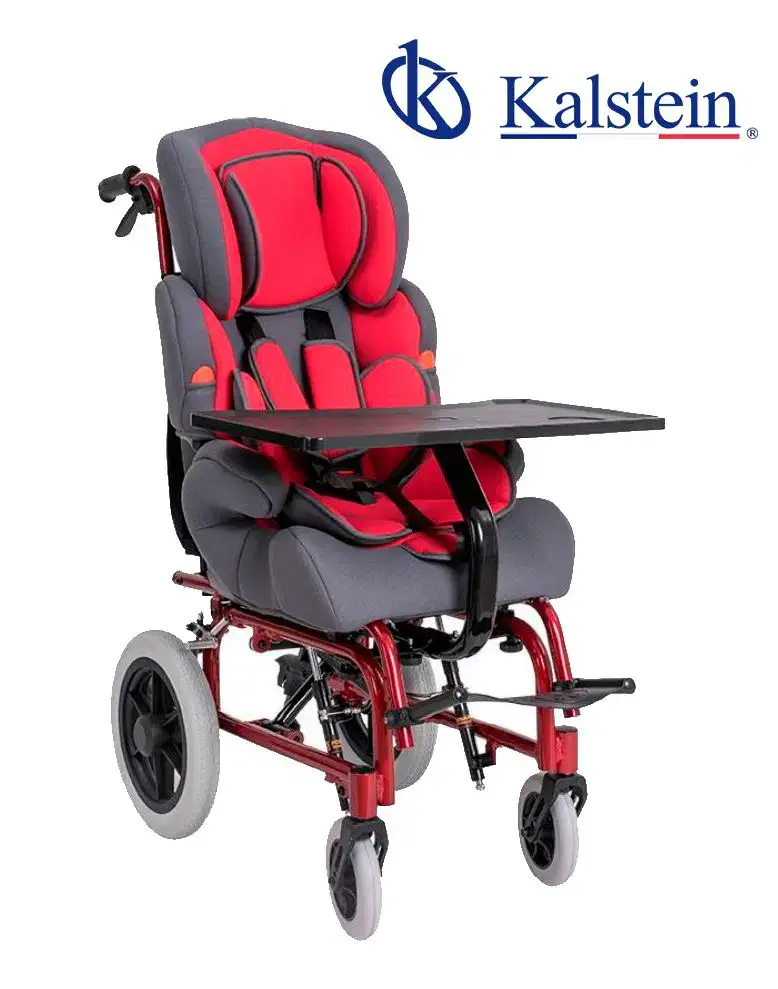
Understanding Predictive Maintenance and Recommended Calibration for Children's Wheelchairs
Children's wheelchairs serve a crucial role in ensuring mobility and independence for young users with special needs. These devices are designed not only for functionality but also for safety and comfort. To achieve optimal performance, regular predictive maintenance and calibration are essential. This article explores various models of children's wheelchairs, their maintenance requirements, and the importance of calibration.
Predictive Maintenance in Children's Wheelchairs
Predictive maintenance involves techniques and practices designed to predict when equipment will fail so that maintenance can be performed just in time to avoid the failure. For children's wheelchairs, this can mean regularly checking and servicing the components that are most likely to wear out or fail, ensuring the safety and comfort of the child using the wheelchair.
Key Components for Predictive Maintenance
Regular inspection of key components such as wheels, brakes, and frame integrity is vital. For instance, the Children Wheelchair YR05459, known for its aluminum alloy front fork and ABS footrest pedals, requires checks on these components to prevent malfunctions. Predictive maintenance can significantly reduce the risk of accidents and ensure longevity.
Importance of Calibration in Children's Wheelchairs
Calibration of children's wheelchairs is crucial for ensuring they provide the intended support and mobility. Regular calibration helps maintain the correct adjustments for safety and usability, which is especially important for children with varying needs.
Calibration Techniques
Calibration techniques include checking seating angles, ensuring brake effectiveness, and adjusting footrests. For example, the Wheelchair for Children YR06611 is designed with adjustable features to cater to the user's needs, which must be calibrated correctly for each individual to ensure proper support.
Comparison of Available Models
| Model | Weight (Kg) | Maximum Load (Kg) | Dimensions (cm) | Price (USD) |
|---|---|---|---|---|
| YR05459 | 17.4 | 75 | 92 x 44 x 104 | 424.00 |
| YR05460 | 18.0 | 75 | 75-95 x 46 x 112-124 | 456.00 |
| YR05457 | 21.5 | 100 | 112 x 46 x 100 | 302.00 |
| YR05458 | 21.5 | 100 | 112 x 46 x 100 | 422.95 |
| YR06611 | N/A | N/A | 108 x 54 x 129 | 316.00 |
Common Mistakes and How to Avoid Them
When it comes to maintaining children's wheelchairs, several common mistakes can hinder safety and effectiveness. One significant error is neglecting regular maintenance checks. Users should establish a routine inspection calendar, ideally every month, to ensure that all components are functioning correctly.
Neglecting User-Specific Adjustments
Failing to tailor adjustments to the child's specific needs, such as backrest angles on models like YR05460, can cause discomfort and safety issues. Always consult with healthcare professionals to ensure optimal settings.
Frequently Asked Questions
What are the recommended calibration intervals for children's wheelchairs?
Calibration of children's wheelchairs should be performed every 6 months or whenever adjustments are made. For example, the YR05460 model has adjustable features that require regular checking to ensure proper functionality.
How can predictive maintenance improve the safety of children's wheelchairs?
Predictive maintenance helps identify potential issues before they become serious problems. Regular inspections of models like the YR06611 can prevent failures, thereby enhancing the safety and reliability of the wheelchair for children with mobility challenges.
What specific maintenance tasks should be performed on children's wheelchairs?
Key maintenance tasks include checking the brakes, inspecting the wheels, and ensuring frame integrity. For instance, the YR05457 model should be checked for stability to maintain safety for the child using it.
How does weight capacity affect the selection of a children's wheelchair?
Weight capacity is critical when selecting a children's wheelchair. Models like YR05457 can support up to 100 kg, making it suitable for larger children. It is essential to match the wheelchair to the child's weight to ensure safety and functionality.
Which materials are most durable for children's wheelchairs?
Aluminum alloy and steel are common materials known for their durability in children's wheelchairs. The YR05459 features an aluminum frame, which provides a lightweight yet sturdy option for mobility.
How can I ensure the wheelchair fits my child's needs?
Consulting with a healthcare provider is crucial to ensure the wheelchair fits your child's specific needs, including measurements and comfort level. Models like YR05460 offer adjustable features tailored to the child's requirements.
What should I do if my child's wheelchair needs repairs?
If repairs are needed, consult the manufacturer's guidelines and consider contacting a professional. For example, the YR06611 model has specific maintenance protocols outlined to guide users in ensuring safe operation.
If you are looking for a fusion of innovation and quality, you have come to the right place. At Kalstein, we offer you the luxury of exploring our exclusive catalog of laboratory equipment. We manufacture every device to the highest standards of excellence. Our intuitive and seamless online purchasing channels are designed for your convenience, securing the most competitive prices. Hesitate no longer — we bring science to life, it is time to become part of our community.