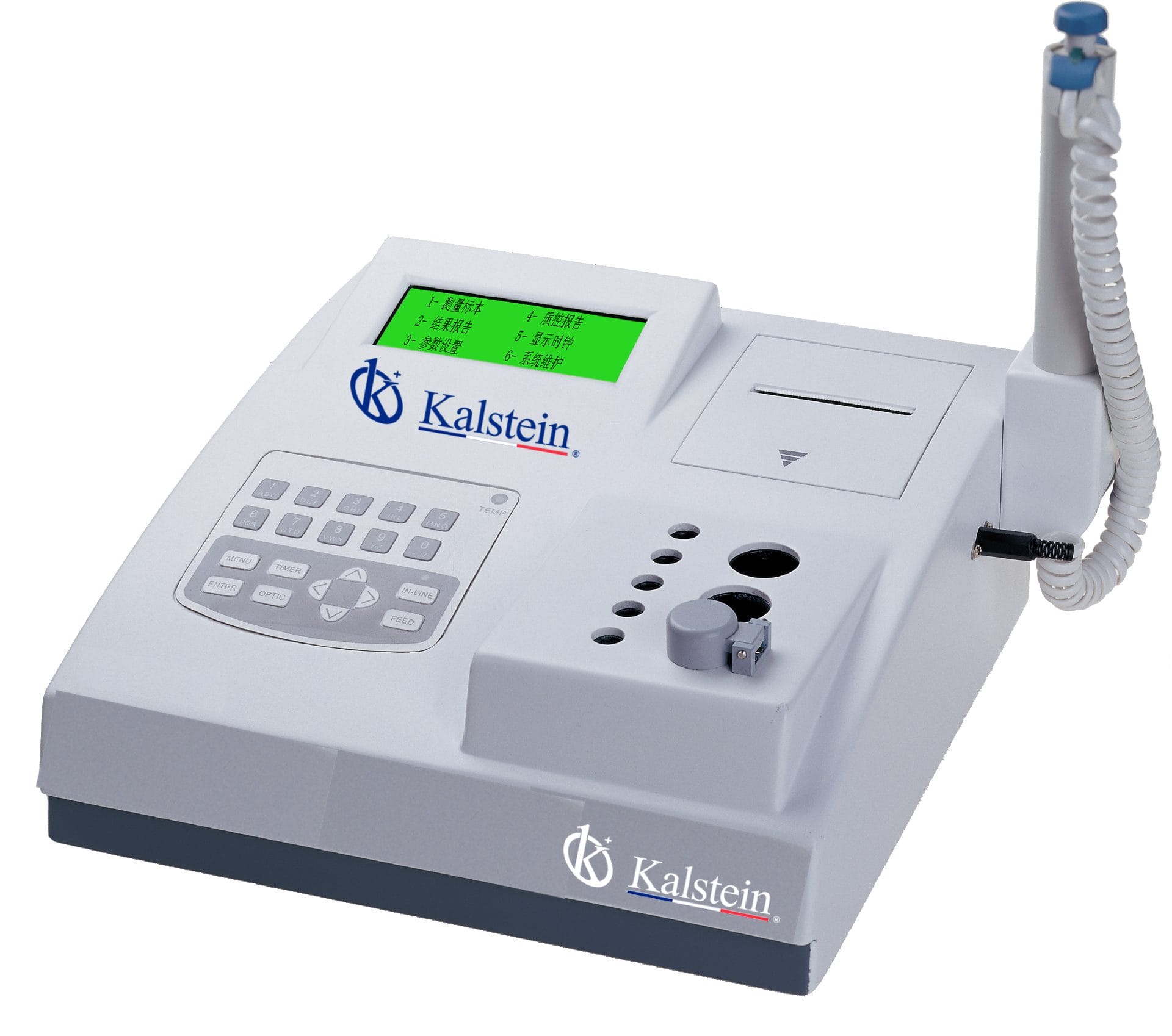
How to Implement Predictive Maintenance and Recommended Calibration for Coagulation Analyzers
As professionals in the laboratory field, maintaining the performance and accuracy of coagulation analyzers is essential. This article explores the intricacies of predictive maintenance and recommended calibration, focusing on how these practices improve reliability and accuracy in coagulation testing. This comprehensive guide covers various models, specifically the Coagulation Analyzer YR05117, Coagulation Analyzer YR05118, Automated Coagulation Analyzer YR06083, and Automated Coagulation Analyzer YR06082, providing insights into their calibration needs and maintenance strategies.
Understanding Predictive Maintenance in Coagulation Analyzers
Predictive maintenance is a proactive approach that utilizes data-driven insights to optimize the performance of coagulation analyzers. By evaluating historical data and analyzing potential failure modes, laboratories can implement maintenance schedules that prevent unexpected breakdowns. This strategy not only prolongs equipment life but also assures consistent testing results, which is imperative in clinical settings.
Importance of Regular Calibration for Coagulation Analyzers
Regular calibration is fundamental in ensuring the accuracy and reliability of coagulation analyzers. Calibration aligns the device's output to known standards, which is crucial for maintaining compliance with regulatory requirements. For instance, calibrating the Coagulation Analyzer YR05117 regularly ensures its precision in dispensing reagents within a margin of CV < 2%, adhering to the stringent standards of laboratory operations.
Recommended Calibration Intervals for Coagulation Analyzers
The recommended calibration intervals for coagulation analyzers typically depend on the manufacturer's specifications and the frequency of usage. For instance, the Automated Coagulation Analyzer YR06082 may benefit from biannual calibration, especially in high-volume labs, to maintain its integrity and responsiveness. It is advisable to document each calibration session to track performance trends over time.
Predictive Maintenance Techniques and Tools
Implementing predictive maintenance involves several techniques, including condition monitoring and life-cycle analysis. Tools such as statistical process control (SPC) can be utilized to monitor the performance of analyzers like the Coagulation Analyzer YR05118. By tracking key performance indicators (KPIs) such as mean time between failures (MTBF) and mean time to repair (MTTR), laboratories can effectively mitigate downtime and enhance testing throughput.
Common Calibration Errors and How to Avoid Them
Calibration errors can significantly impact the accuracy of coagulation results. Common mistakes include improper handling of calibration standards or neglecting to adjust for ambient temperature changes. To avoid these pitfalls, laboratories should establish a rigorous calibration protocol and provide thorough training for staff on the operational specifics of devices like the Automated Coagulation Analyzer YR06083.
Developing a Calibration Procedure Template
A well-structured calibration procedure can streamline the calibration process for coagulation analyzers. Laboratories should develop a checklist that includes key steps such as preparation of calibration standards, execution of calibration protocols, and documentation of results. This not only enhances accuracy but also facilitates compliance with ISO 17025 standards.
Comparison of Available Models
| Model | Recommended Calibration Frequency | Best Application | Key Feature | Price (USD) |
|---|---|---|---|---|
| YR05117 | Biannual | Routine Tests | Precision CV < 2% | 750.00 |
| YR05118 | Biannual | Low Volume Labs | 4 Testing Channels | 600.00 |
| YR06083 | Annual | High-Throughput Labs | Advanced Optical System | 13000.00 |
| YR06082 | Annual | Comprehensive Testing | Supports Multiple Tests | 6800.00 |
Common Mistakes and How to Avoid Them
When implementing predictive maintenance and calibration, several common mistakes can undermine efforts. One significant error is neglecting to maintain proper documentation of calibration results, which can lead to compliance issues. Another mistake is failing to train staff adequately on the specific calibration procedures for each model. Regular training sessions and thorough procedural documentation can prevent these issues.
Frequently Asked Questions
How much does calibration of a coagulation analyzer typically cost?
The cost of calibrating a coagulation analyzer can vary, but generally, it could range between $100 to $300 per session depending on the model. For instance, calibrating the Coagulation Analyzer YR05117 may cost about $150 if third-party services are utilized.
What maintenance practices optimize the lifespan of coagulation analyzers?
To optimize the lifespan of coagulation analyzers, implementing a predictive maintenance plan is crucial. Regularly scheduled checks, appropriate cleaning, and timely calibration can significantly enhance performance. The Automated Coagulation Analyzer YR06082 benefits from a proactive maintenance strategy that includes regular inspections and software updates.
What are the typical calibration intervals for coagulation analyzers?
Calibration intervals generally depend on usage and manufacturer recommendations, but common practice suggests biannual to annual calibrations. For example, the Automated Coagulation Analyzer YR06083 should be calibrated annually, especially in high-throughput environments.
How can predictive maintenance improve laboratory workflows for coagulation analyzers?
Predictive maintenance improves workflows by reducing unexpected equipment failures and downtime. By systematically analyzing performance data, laboratories can predict when maintenance is needed, thus preventing disruptions. Implementing this for the Coagulation Analyzer YR05118 can lead to smoother operations in daily testing routines.
What are the risks of not calibrating a coagulation analyzer regularly?
Failure to calibrate a coagulation analyzer regularly can lead to inaccurate test results, potentially jeopardizing patient care. Regulatory compliance may also be at risk. Models like the YR06082 require strict adherence to calibration protocols to ensure operational integrity and reliable outputs.
Which model is best for high-throughput coagulation testing in busy labs?
The Automated Coagulation Analyzer YR06083 is best suited for high-throughput environments due to its advanced optical system and multiple testing capabilities. This model maximizes efficiency, allowing laboratories to process numerous samples quickly without sacrificing accuracy.
How can laboratories ensure compliance with ISO 17025 standards in calibration procedures?
To ensure compliance with ISO 17025 standards, laboratories must establish and follow documented calibration procedures, maintain records of each calibration, and regularly review and update their protocols. Calibration of models like the YR05117 should adhere to these standards to guarantee reliability in testing outcomes.
If you are looking for a fusion of innovation and quality, you have come to the right place. At Kalstein, we offer you the luxury of exploring our exclusive catalog of laboratory equipment. We manufacture every device to the highest standards of excellence. Our intuitive and seamless online purchasing channels are designed for your convenience, securing the most competitive prices. Hesitate no longer — we bring science to life, it is time to become part of our community.