How to Implement Predictive Maintenance and Periodic Calibration for Digital Desktop Ultrasonic Cleaners
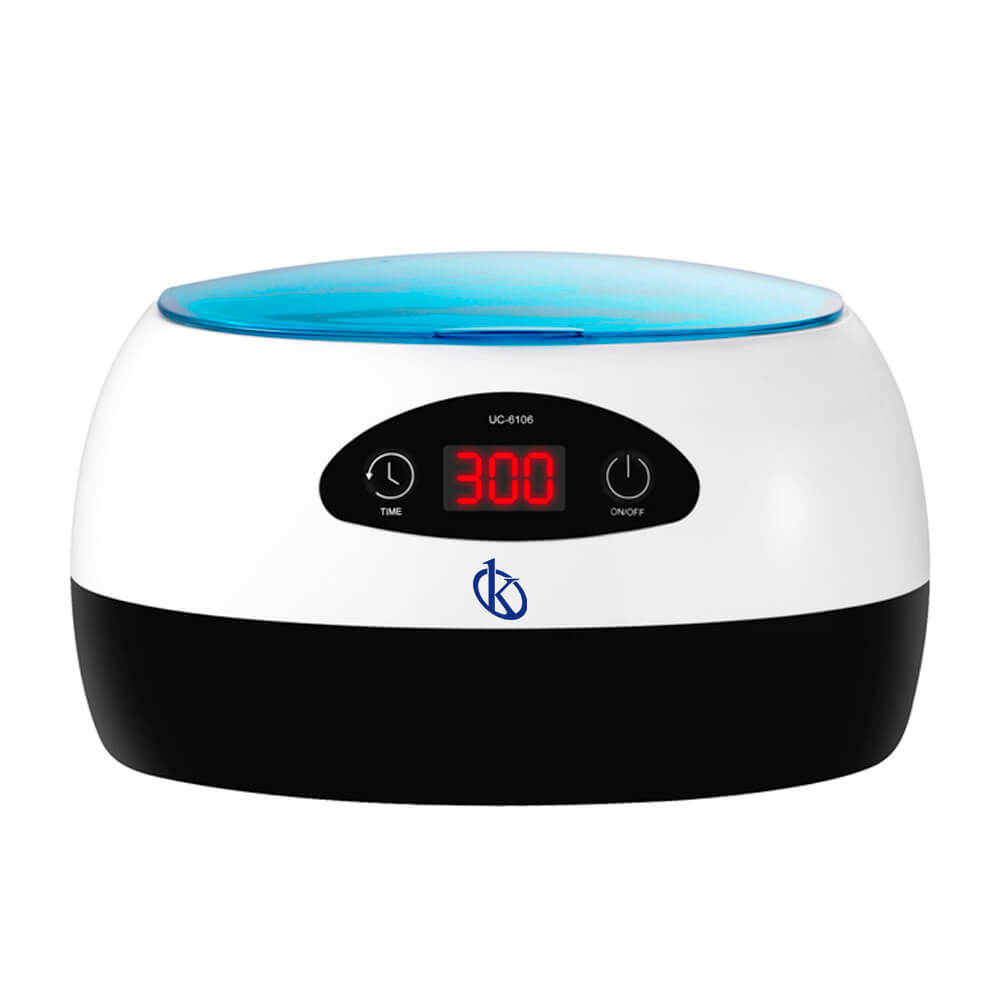
Digital desktop ultrasonic cleaners are essential tools in various fields, including jewelry cleaning, dental hygiene, and laboratory applications. Effective maintenance and calibration strategies are vital for ensuring their performance and longevity. This article will explore the importance of predictive maintenance and periodic calibration and provide insights into the models available in the market.
Understanding Predictive Maintenance and Its Importance
Predictive maintenance involves the use of real-time data and analytics to predict equipment failures before they occur. This proactive approach can significantly reduce downtime, cut costs associated with repairs, and extend the lifespan of equipment. For ultrasonic cleaners, predictive maintenance can lead to enhanced performance, better cleaning efficiency, and reduced operational costs.
Benefits of Regular Calibration for Ultrasonic Cleaners
Calibration is essential for ensuring that ultrasonic cleaners operate at optimal performance levels. Regular calibration checks ensure that the ultrasonic frequency and power output remain within specified limits, leading to consistent cleaning results. For instance, calibrating the ultrasonic frequency can help maintain its effectiveness, ensuring that contaminants are efficiently removed from surfaces.
Key Factors in Developing a Predictive Maintenance Plan
Creating an effective predictive maintenance plan involves understanding the equipment specifications, operational conditions, and potential failure modes. Assessing these factors allows laboratory professionals to schedule maintenance activities during non-peak hours, minimizing disruptions. Additionally, establishing KPIs such as Mean Time Between Failures (MTBF) and Mean Time To Repair (MTTR) can help evaluate the effectiveness of the maintenance strategy.
Calibration Intervals and Standards
Establishing calibration intervals is crucial for maintaining the accuracy and reliability of ultrasonic cleaners. Generally, the recommended calibration frequency for these devices is every 6-12 months, depending on usage intensity. Adhering to national and international standards, such as ISO 17025, ensures that calibration processes are rigorous and traceable, providing confidence in the cleaning results.
Overview of Available Digital Desktop Ultrasonic Cleaners
When selecting a digital desktop ultrasonic cleaner, it is essential to consider specific models that align with maintenance and calibration needs. Below is a comparison of some popular models:
Comparison of Available Models
| Model | Tank Capacity (L) | Power (W) | Ultrasonic Frequency (KHz) | Best for |
|---|---|---|---|---|
| YR05231 | 0.75 | 50 | 42 | Jewelry cleaning |
| YR05232 | 1.4 | 60 | 40 | Jewelry and small parts |
| YR05229 | 0.6 | 50 | 42 | Lens and delicate items |
| YR05230 | 2.5 | 60 | 42 | Dental instruments |
Common Mistakes and How to Avoid Them
One of the most common mistakes in maintaining ultrasonic cleaners is neglecting regular calibration and maintenance schedules. Users often assume that these devices will continue to operate correctly without intervention. To avoid this, laboratories should implement a maintenance schedule and utilize automated reminders to ensure timely checks. Additionally, using inappropriate cleaning solutions can impact performance; always use recommended cleaning agents compatible with ultrasonic technology.
Frequently Asked Questions
What are the best practices for calibrating digital desktop ultrasonic cleaners?
Calibrating digital desktop ultrasonic cleaners like the YR05230 involves checking their ultrasonic frequency and power output against established standards. Regular checks ensure that the cleaning process is effective and consistent, typically recommended every 6-12 months.
How does predictive maintenance impact the lifespan of ultrasonic cleaners?
Predictive maintenance significantly extends the lifespan of ultrasonic cleaners by preventing unexpected failures and minimizing downtime. For example, using a model like the YR05232, labs can utilize data analytics to schedule maintenance before issues arise, reducing repair costs and enhancing operational efficiency.
Why is it essential to follow ISO 17025 for ultrasonic cleaner calibration?
Following ISO 17025 for ultrasonic cleaner calibration ensures compliance with recognized quality standards, which is crucial for laboratories. This standard guarantees that tools like the YR05231 provide reliable results, ensuring that cleaning processes are both effective and reproducible.
What frequency of calibration is recommended for ultrasonic cleaners?
It is recommended to calibrate ultrasonic cleaners like the YR05229 every 6-12 months, depending on their usage intensity. Regular calibration ensures that the ultrasonic frequency remains consistent, maintaining optimal cleaning performance.
How can predictive maintenance reduce operational costs in laboratories?
Predictive maintenance can reduce operational costs by minimizing unplanned downtime and extending the life of devices like the YR05230. By continuously monitoring performance, laboratories can address issues proactively, leading to a more efficient cleaning process and lower repair expenses.
What are the key performance indicators for ultrasonic cleaner maintenance?
Key performance indicators for ultrasonic cleaner maintenance include Mean Time Between Failures (MTBF) and Mean Time To Repair (MTTR). Monitoring these metrics helps labs assess the effectiveness of their predictive maintenance strategies and make data-driven improvements.
How often should digital desktop ultrasonic cleaners be serviced?
Digital desktop ultrasonic cleaners should be serviced regularly, typically every 6-12 months, depending on their usage. Regular service helps maintain performance levels, ensuring that devices like the YR05232 provide optimal cleaning results consistently.
What is the role of training in maintaining ultrasonic cleaners?
Training staff on proper maintenance protocols for ultrasonic cleaners ensures that they understand how to operate and care for equipment like the YR05231 effectively. Proper training helps prevent mistakes, such as using unsuitable cleaning agents, which can harm the devices and compromise cleaning efficiency.
If you are looking for a fusion of innovation and quality, you have come to the right place. At Kalstein, we offer you the luxury of exploring our exclusive catalog of laboratory equipment. We manufacture every device to the highest standards of excellence. Our intuitive and seamless online purchasing channels are designed for your convenience, securing the most competitive prices. Hesitate no longer — we bring science to life, it is time to become part of our community.