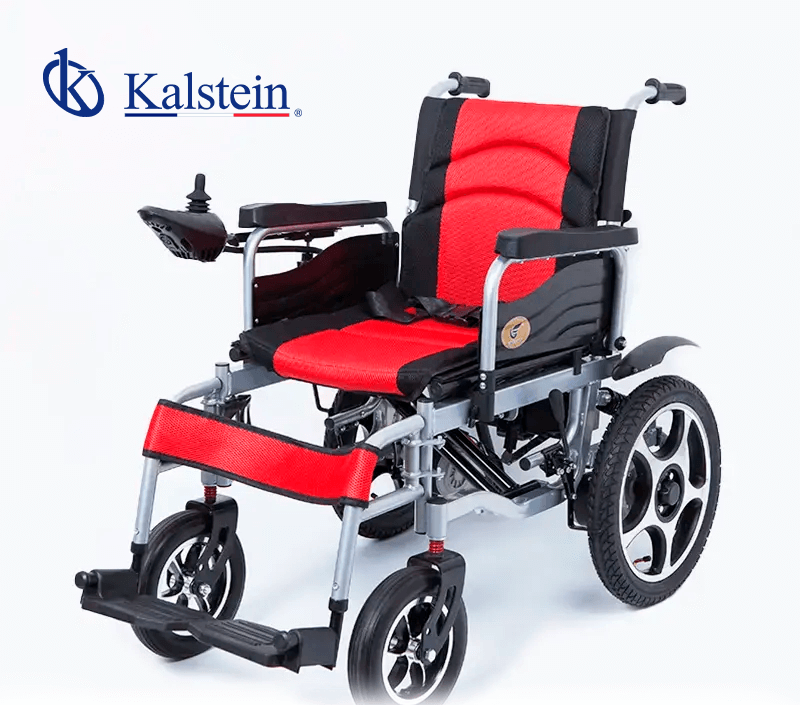
How to Implement Predictive Maintenance and Calibration for Electric Wheelchairs
Electric wheelchairs have become essential mobility devices in healthcare. As technology advances, ensuring these devices operate efficiently through predictive maintenance and periodic calibration is critical. This article delves into the importance of these practices, focusing on different models available in the market.
Understanding Predictive Maintenance and Calibration
Predictive maintenance refers to techniques that allow for the prediction of when equipment failure might occur. This approach contrasts with traditional maintenance, which is often reactive. Calibration, on the other hand, ensures that electric wheelchairs operate within their specified parameters, enhancing safety and performance. Implementing both methodologies can extend the lifespan of electric wheelchairs and enhance user satisfaction.
Benefits of Predictive Maintenance in Electric Wheelchairs
Implementing predictive maintenance in electric wheelchairs offers numerous benefits, including improved reliability, enhanced safety, and extended lifespan. For instance, tracking performance metrics can alert caretakers to potential issues before they lead to failure. Additionally, this approach can avoid costly repairs and downtime, contributing to overall user satisfaction.
Calibration Requirements for Electric Wheelchairs
Calibration requirements vary by model but typically include regular checks of the motor, battery, and control systems. Each electric wheelchair should follow manufacturers' guidelines regarding calibration intervals. For example, some models recommend monthly checks, while others may suggest quarterly assessments. Regular calibration ensures that the wheelchair meets safety standards and operates efficiently.
Comparison of Available Models
| Model | Weight Capacity (kg) | Battery Type | Motor Power (W) | Recommended Calibration Interval | Best Use Case |
|---|---|---|---|---|---|
| YR05440 | 130 | 24V 12Ah Lead Acid | 500 | Monthly | Everyday use and travel |
| YR05441 | 130 | Lead Acid 24V 12Ah | 500 | Monthly | Standard daily activities |
| YR05442 | 200 | 48V 20Ah Lead Acid/Lithium | 600 | Quarterly | Off-road and uneven surfaces |
| YR05443 | 130 | Lead Acid 24V 12Ah | 500 | Monthly | Transport and travel |
| YR05444 | 100 | 24V 12Ah Lithium | 700 | Quarterly | Lightweight travel |
| YR05445 | 100 | 24V 6Ah Lithium | 600 | Quarterly | Compact mobility solutions |
Common Mistakes and How to Avoid Them
One common mistake when maintaining electric wheelchairs is neglecting calibration schedules. Users often forget to check or update calibration settings, leading to safety risks. Another mistake is failing to document maintenance activities. Keeping accurate records of maintenance and calibration can improve compliance with safety standards and enhance reliability. To avoid these pitfalls, establish a robust maintenance schedule with reminders and utilize a centralized record-keeping system.
FAQ
What are the recommended calibration intervals for electric wheelchairs like YR05440?
The YR05440 model recommends a monthly calibration interval, ensuring it operates efficiently and safely. Regular calibration checks help maintain performance and compliance with safety standards.
How can predictive maintenance enhance the performance of electric wheelchairs?
Predictive maintenance improves performance by allowing users to address potential issues before they lead to failures. For example, monitoring the YR05442's battery and motor performance can prevent unexpected breakdowns, enhancing reliability.
What weight capacity should I consider for electric wheelchairs for daily use?
For daily use, models like the YR05440 and YR05441, both with a weight capacity of 130 kg, are suitable. They ensure safety and functionality for most users in everyday scenarios.
How often should I perform maintenance on the YR05443 electric wheelchair?
The YR05443 model requires monthly maintenance to ensure optimal performance and safety. Regular checks help identify any issues early, allowing for timely repairs and adjustments.
What type of battery is best for long-distance travel in electric wheelchairs?
For long-distance travel, the YR05442, which features a 48V 20Ah lithium battery, is recommended due to its higher energy capacity and longer range. This model supports extensive mobility needs without frequent recharging.
What should I look for in a model for off-road use?
For off-road use, the YR05442 is ideal due to its powerful motor and enhanced weight capacity of 200 kg. Its design accommodates uneven surfaces, ensuring reliable performance in challenging environments.
How does regular calibration contribute to the safety of electric wheelchairs?
Regular calibration ensures electric wheelchairs like the YR05441 operate within safety parameters. This process helps prevent accidents caused by mechanical failures, promoting user safety and comfort.
What is the advantage of using lithium batteries in electric wheelchairs?
Lithium batteries, like those in the YR05444, offer advantages such as lightweight design, longer lifespan, and faster charging times. These features make them ideal for users seeking mobility and convenience.
If you are looking for a fusion of innovation and quality, you have come to the right place. At Kalstein, we offer you the luxury of exploring our exclusive catalog of laboratory equipment. We manufacture every device to the highest standards of excellence. Our intuitive and seamless online purchasing channels are designed for your convenience, securing the most competitive prices. Hesitate no longer — we bring science to life, it is time to become part of our community.