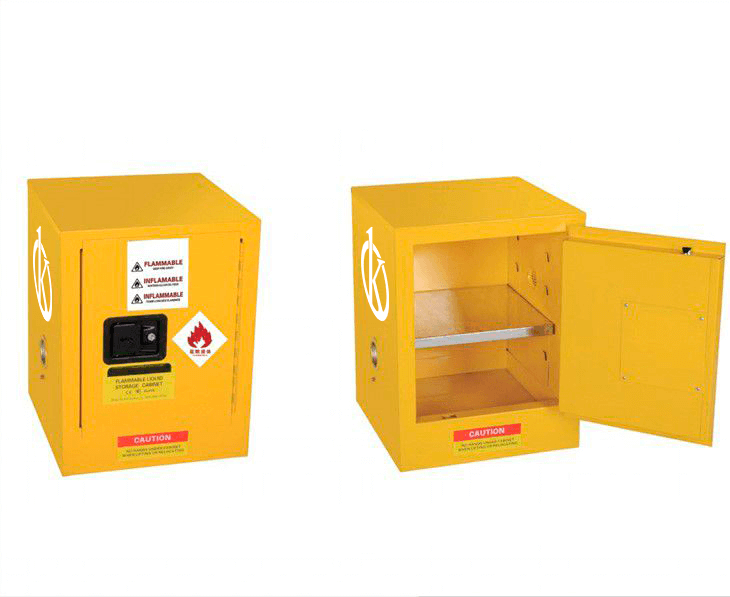
Ensuring Safety and Compliance: Predictive Maintenance and Calibration for Explosion-Proof Cabinets
Explosion-proof cabinets are essential for safely storing flammable and hazardous materials in laboratories. These cabinets not only protect the contents from ignition sources, but they also need to meet stringent safety standards. Predictive maintenance and periodic calibration play crucial roles in ensuring these cabinets operate effectively and comply with necessary regulations. This guide explores the importance of these practices for five specific models of explosion-proof cabinets, highlighting how they contribute to safety and operational efficiency.
Understanding Predictive Maintenance and Calibration
Predictive maintenance refers to the proactive approach of performing maintenance on equipment based on its condition rather than a fixed schedule. By utilizing various techniques to monitor the health of explosion-proof cabinets, laboratories can avoid unexpected failures that could lead to hazardous situations.
Calibration, on the other hand, ensures that the storage conditions within these cabinets are accurate and conform to required standards. This is critical as improper calibration can lead to unsafe storage conditions, potentially resulting in chemical reactions or fires.
Importance of Predictive Maintenance for Explosion-Proof Cabinets
Implementing predictive maintenance for explosion-proof cabinets helps in identifying issues before they escalate into serious problems. This is particularly vital in laboratory settings where safety is paramount. Regular monitoring can detect wear and tear, ensuring that safety features like locks and seals work efficiently. For instance, the YR05464-1 model has a triple point locking mechanism that needs to function seamlessly to secure flammable materials.
Through predictive maintenance, laboratories can extend the life of their cabinets and maintain compliance with safety standards, significantly reducing operational risks and costs associated with equipment failure.
Calibration: Ensuring Compliance with Standards
Calibration of explosion-proof cabinets is essential for ensuring that they meet regulatory standards. This includes regular checks of the internal temperature and humidity levels to guarantee that they remain within safe limits. For example, the YR05465 model requires its calibration to adhere to specific safety guidelines to ensure that flammable liquids are stored correctly and safely.
Periodic calibration helps confirm that the cabinets function as intended, thus protecting laboratory personnel and ensuring compliance with regulations such as OSHA and NFPA. Regular documentation of calibration activities is also necessary for audits and inspections.
Comparison of Available Models
| Model | Capacity (Gallon) | Locking Features | Calibration Frequency (Months) | Best Use Case |
|---|---|---|---|---|
| YR05464-1 | 2-4 | Triple point lock | 12 | Storing flammable liquids |
| YR05464-2 | 2-4 | Triple point lock | 12 | Storing combustible liquids |
| YR05465 | 2-4 | Triple point lock | 12 | Storing corrosive substances |
| YR05465-1 | 2-4 | Triple point lock | 12 | Storing flammable liquids |
| YR05465-2 | 2-4 | Triple point lock | 12 | Storing combustible liquids |
Common Mistakes and How to Avoid Them
One of the most common mistakes laboratories make is neglecting regular maintenance and calibration schedules. Laboratory personnel often underestimate the importance of predictive maintenance, leading to increased risks. Not documenting maintenance activities can also lead to compliance issues.
To avoid these pitfalls, laboratories should establish a rigorous maintenance schedule, utilize monitoring technologies, and ensure all activities are documented thoroughly. For instance, utilizing a calendar reminder for calibration intervals can greatly enhance compliance.
Predictive Maintenance Strategies for Explosion-Proof Cabinets
Adopting predictive maintenance strategies involves using data from various sensors and monitoring equipment to assess the condition of explosion-proof cabinets. This can involve temperature sensors, humidity sensors, and even door sensors to track usage patterns.
For instance, implementing data analytics can help identify when a cabinet, such as the YR05464, shows signs of wear that could affect its functionality. Techniques such as vibration analysis or thermal imaging can also provide insights into potential failure points.
Calibration Best Practices
Calibration should follow a set of best practices to ensure accuracy and reliability. This includes using traceable standards, ensuring the calibration equipment is regularly maintained, and training personnel in proper calibration techniques.
For example, the YR05465-1 cabinet must be calibrated using standards that align with safety regulations to ensure that it provides the necessary protection for its stored contents. Documenting each calibration session is also essential for regulatory compliance.
Frequently Asked Questions
How does predictive maintenance enhance safety in explosion-proof cabinets?
Predictive maintenance enhances safety by identifying potential issues in explosion-proof cabinets before they lead to failures. For example, monitoring the YR05464 model's locking mechanisms allows for timely interventions, ensuring safe operations and compliance with safety standards.
What are the calibration requirements for explosion-proof cabinets in laboratories?
Calibration requirements for explosion-proof cabinets, like the YR05465-2, include regular checks of internal conditions such as temperature and humidity to ensure compliance with safety regulations, typically every 12 months.
Which explosion-proof cabinet model is best for storing flammable liquids?
The YR05465-1 model is ideal for storing flammable liquids due to its robust locking mechanism and compliance with safety standards, ensuring the safety of hazardous materials within laboratory environments.
How often should explosion-proof cabinets be calibrated?
Explosion-proof cabinets should be calibrated at least once a year to ensure they meet safety standards. For instance, the YR05464-1 requires an annual calibration to maintain compliance and safety.
What are the benefits of using explosion-proof cabinets in laboratories?
Explosion-proof cabinets, such as the YR05464, provide essential safety by containing flammable and hazardous materials, thus preventing fires and chemical spills, while also meeting regulatory standards.
How can laboratories ensure compliance with safety standards for explosion-proof cabinets?
Laboratories can ensure compliance by implementing regular maintenance and calibration schedules for their explosion-proof cabinets, such as the YR05465, and by documenting all activities related to safety checks and maintenance.
What factors should be considered when selecting an explosion-proof cabinet?
When selecting an explosion-proof cabinet, factors such as capacity, locking features, compliance with safety regulations, and the specific types of materials stored should be considered. The YR05464-2 is suitable for various hazardous materials.
How can I request a quote for explosion-proof cabinets?
To request a quote for explosion-proof cabinets, you can explore our catalog and submit your requirements. Our team can assist you in finding the right models for your laboratory needs.
If you are looking for a fusion of innovation and quality, you have come to the right place. At Kalstein, we offer you the luxury of exploring our exclusive catalog of laboratory equipment. We manufacture every device to the highest standards of excellence. Our intuitive and seamless online purchasing channels are designed for your convenience, securing the most competitive prices. Hesitate no longer — we bring science to life, it is time to become part of our community.