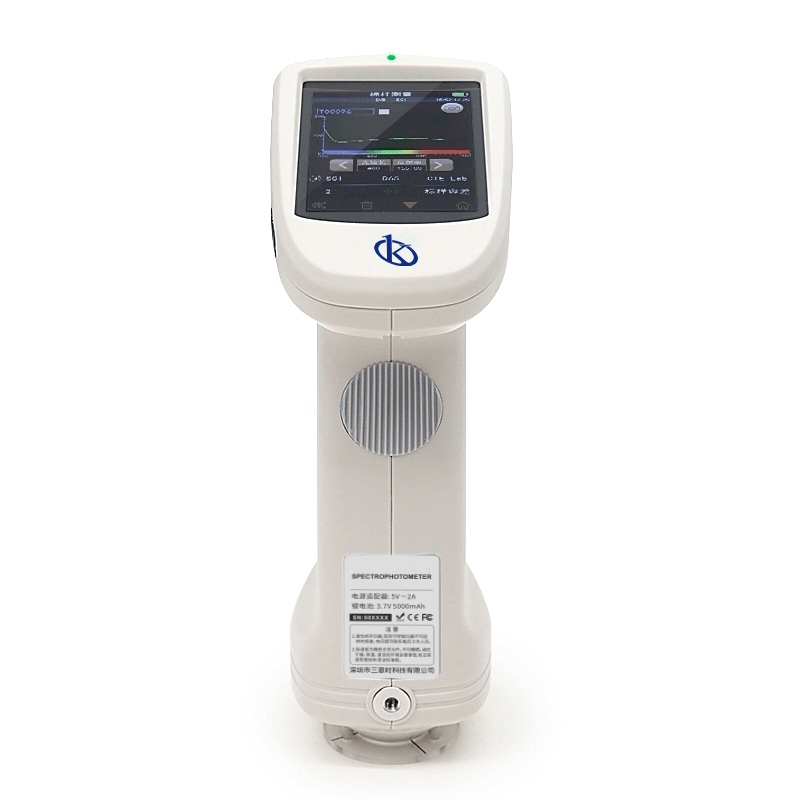
Predictive Maintenance and Recommended Calibration for Handheld Spectrophotometers
In the realm of laboratory instruments, handheld spectrophotometers play a crucial role in obtaining accurate color measurements across various industries. Understanding predictive maintenance and recommended calibration practices is essential for ensuring the longevity and reliability of these instruments. This article will delve into the specifics of predictive maintenance and provide a detailed comparison of popular models in the handheld spectrophotometer category.
Understanding Predictive Maintenance for Handheld Spectrophotometers
Predictive maintenance refers to the proactive approach of predicting when maintenance should be performed on equipment to avoid unexpected failures. By utilizing data from various sensors and software, laboratories can schedule maintenance activities based on the actual condition of the equipment rather than relying solely on a fixed schedule. This approach can lead to significant cost savings and increased efficiency.
In the context of handheld spectrophotometers, predictive maintenance involves monitoring parameters such as light source performance, detector sensitivity, and overall instrument calibration. Implementing a predictive maintenance strategy ensures that these devices remain accurate and reliable, directly impacting the quality of results in laboratories.
Recommended Calibration Practices
Calibration is a critical aspect of maintaining the accuracy of handheld spectrophotometers. Regular calibration ensures that the device provides measurements that are consistent and traceable to recognized standards. It is recommended that spectrophotometers undergo calibration based on usage frequency, environmental conditions, and the specific application.
For example, a handheld spectrophotometer used for quality control in a high-volume production environment may require more frequent calibration than one used sparingly in a research setting. Calibration can be performed using standard reference materials that comply with international standards such as ISO 17025.
Factors Influencing Calibration Frequency
Several factors play a vital role in determining how often a handheld spectrophotometer should be calibrated:
- Usage Frequency: More frequent use often necessitates more regular calibration.
- Environmental Conditions: High humidity, dust, or temperature variations can affect calibration stability.
- Application Specifics: Critical applications may require more stringent calibration standards.
Comparison of Available Models
| Model | Price (USD) | Best for | Recommended Calibration Frequency |
|---|---|---|---|
| YR05493 | 4254.00 | Textile Industry | Monthly |
| YR05494 | 3180.00 | Automotive Coatings | Bi-Monthly |
| YR05495 | 2250.00 | Paper Products | Every 3 Months |
| YR05496 | 1670.00 | Food Industry | Monthly |
| YR05499 | 1670.00 | Research Laboratories | Quarterly |
Common Mistakes and How to Avoid Them
Laboratories often make critical mistakes regarding the maintenance and calibration of handheld spectrophotometers. Here are some common errors and tips to avoid them:
- Neglecting Regular Calibration: Establish a clear calibration schedule based on usage to avoid inaccurate readings.
- Ignoring Environmental Impact: Ensure that the spectrophotometer is stored in a controlled environment to maintain calibration stability.
- Overlooking User Training: Proper training for users on how to operate and maintain the instrument can prevent misuse and errors.
Predictive Maintenance Strategies
To implement an effective predictive maintenance strategy for handheld spectrophotometers, consider the following steps:
- Data Monitoring: Utilize software to track the performance metrics of the instrument continuously.
- Condition-Based Maintenance: Schedule maintenance based on actual usage data and sensor readings rather than fixed intervals.
- Feedback Loop: Create a system for operators to report anomalies in instrument performance to facilitate timely interventions.
Implementation of Calibration Standards
Adhering to established calibration standards is essential for the accuracy and reliability of handheld spectrophotometers. Standards such as ISO 17025 provide guidelines for laboratory calibration processes. These protocols ensure that measurements are traceable to national or international standards, fostering confidence in laboratory results.
When calibrating instruments like the YR05493 and YR05494, laboratories should utilize certified reference materials that match the specific applications for which the device is used. This practice reinforces the integrity of the measurements obtained.
Frequently Asked Questions
How often should a handheld spectrophotometer be calibrated for accurate results?
For accurate results, a handheld spectrophotometer like the YR05493 should be calibrated monthly, particularly in high-demand environments such as quality control labs. Regular calibration ensures compliance with standards such as ISO 17025, maintaining the accuracy of measurements.
What are the key maintenance practices for handheld spectrophotometers?
Key maintenance practices for handheld spectrophotometers include regular calibration, cleaning of optical surfaces, and environmental control. Implementing these practices can enhance the lifespan and performance of models like YR05494.
How does predictive maintenance impact the lifespan of handheld spectrophotometers?
Predictive maintenance extends the lifespan of handheld spectrophotometers by preventing unexpected failures. Monitoring devices such as the YR05495 allows labs to schedule maintenance proactively, ensuring reliability and accurate performance.
What standards should laboratories follow for spectrophotometer calibration?
Laboratories should adhere to standards like ISO 17025 when calibrating spectrophotometers. This standard ensures measurements are traceable and accurate, vital for instruments such as the YR05496 used in compliance-driven environments.
How can I determine the best model of handheld spectrophotometer for my needs?
Determining the best model, such as YR05499 or YR05498, involves evaluating your specific application needs, frequency of use, and calibration requirements. Each model serves different industrial applications and has distinct features that cater to specific demands.
What are the benefits of using a portable color spectrophotometer in quality control?
Portable color spectrophotometers like the YR05496 offer flexibility in quality control processes by allowing on-site measurements and immediate results. Their adaptability can contribute significantly to maintaining consistent product quality.
How do environmental factors affect the calibration of handheld spectrophotometers?
Environmental factors such as temperature and humidity can significantly impact the calibration of handheld spectrophotometers. Instruments like the YR05494 should be calibrated in controlled environments to ensure consistent performance and accuracy.
If you are looking for a fusion of innovation and quality, you have come to the right place. At Kalstein, we offer you the luxury of exploring our exclusive catalog of laboratory equipment. We manufacture every device to the highest standards of excellence. Our intuitive and seamless online purchasing channels are designed for your convenience, securing the most competitive prices. Hesitate no longer — we bring science to life, it is time to become part of our community.