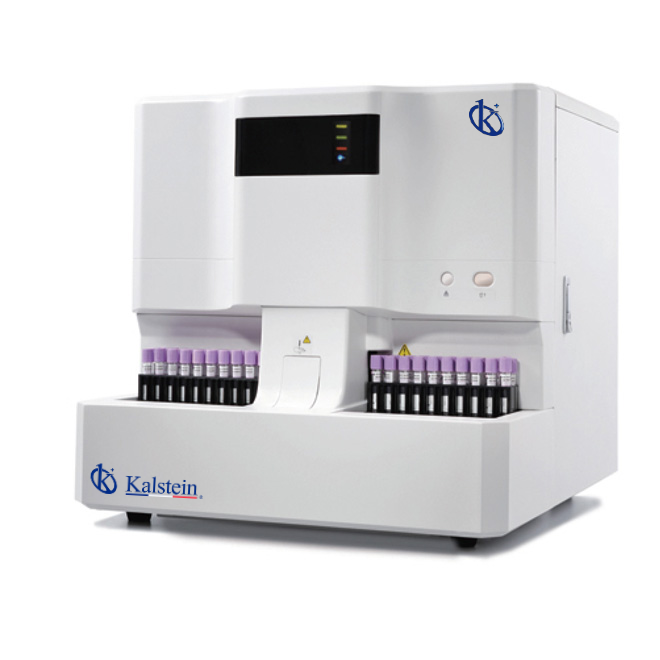
How to Implement Predictive Maintenance and Calibration for Hematology Analyzers
In a laboratory setting, maintaining optimal performance of hematology analyzers is crucial for ensuring accurate and reliable results. This article delves into the critical aspects of predictive maintenance and periodic calibration, providing detailed insights into how laboratories can enhance their operational efficiency.
Understanding Predictive Maintenance for Hematology Analyzers
Predictive maintenance involves anticipating equipment failures and performing maintenance activities before breakdowns occur. For hematology analyzers, this strategy minimizes downtime and extends the lifespan of the equipment. Key elements of predictive maintenance include monitoring performance metrics, analyzing operational data, and scheduling maintenance activities based on usage patterns.
Key Benefits of Predictive Maintenance
Implementing predictive maintenance in hematology analyzers allows laboratories to reduce unexpected downtime, optimize maintenance costs, and improve the reliability of test results. Additionally, this approach can lead to better allocation of resources and enhanced laboratory productivity.
Calibration of Hematology Analyzers: Importance and Best Practices
Calibration is essential for ensuring that hematology analyzers produce accurate and consistent results. Regular calibration helps to maintain compliance with regulatory standards such as ISO 17025. Best practices for calibration include following a standardized protocol, using traceable calibration standards, and documenting all calibration activities meticulously.
Recommended Calibration Intervals
For hematology analyzers, calibration should be performed regularly, ideally every 3 to 6 months, or whenever there is a significant change in operating conditions or after maintenance. All results from calibration activities should be logged to maintain a historical record for compliance and quality assurance.
Predictive Maintenance Strategies for Specific Models
Different hematology analyzers may require tailored maintenance strategies based on their design and operational specifications. Below are specific strategies for key models:
Automatic Hematology Analyzer YR06080
The YR06080 features advanced technology allowing for continuous monitoring of its performance metrics. Implementing predictive analytics on its 60 samples per hour capability can greatly enhance maintenance scheduling.
Automatic Hematology Analyzer YR05123
The YR05123’s advanced features for evaluating quality control can be utilized to set up alerts for when calibration is needed, ensuring consistent performance in high-demand environments.
Comparison of Available Models
| Model | Calibration Frequency | Performance Metrics | Maintenance Strategy | Best For |
|---|---|---|---|---|
| YR06080 | Every 3-6 months | 60 samples/hour | Data-driven scheduling | High volume labs |
| YR05123 | Every 3-6 months | 60 samples/hour | Quality control evaluation | Clinical testing |
| YR05122-1 | Every 3 months | Over 60 samples/hour | Preventive maintenance | Research labs |
| YR05122 | Every 3 months | 35 samples/hour | Scheduled preventive maintenance | Small to medium labs |
| YR05121 | Every 6 months | 35 samples/hour | Automated diagnostics | Busy clinics |
| YR05120 | Every 6 months | 35 samples/hour | Efficiency optimization | General labs |
Common Mistakes and How to Avoid Them
In the implementation of predictive maintenance and calibration strategies, laboratories often make common mistakes that can hinder their effectiveness. Here are a few pitfalls and how to avoid them:
Neglecting Documentation
Failing to document maintenance and calibration activities can lead to compliance issues. Always maintain a detailed log of all actions taken, including dates, parameters checked, and results obtained.
Ignoring Manufacturer Recommendations
Each model, such as the YR06080, comes with specific maintenance guidelines. Following these recommendations ensures optimal performance and longevity.
Frequently Asked Questions
How can predictive maintenance improve the efficiency of hematology analyzers?
Predictive maintenance improves the efficiency of hematology analyzers by minimizing unexpected breakdowns and reducing downtime. By monitoring performance metrics, such as those provided by the YR06080, laboratories can schedule timely maintenance, ensuring consistent operation.
What are the recommended calibration practices for hematology analyzers?
Recommended calibration practices include performing calibrations every 3-6 months, utilizing traceable standards, and documenting results. Models like the YR05123 require strict adherence to these practices to maintain accuracy in high-demand environments.
Which hematology analyzer model is best for high-volume laboratories?
For high-volume laboratories, the Automatic Hematology Analyzer YR06080 is optimal due to its capability of processing 60 samples per hour, making it ideal for efficient laboratory operations and predictive maintenance strategies.
How does calibration frequency impact the performance of hematology analyzers?
Calibration frequency significantly impacts performance, as regular calibrations prevent drift in analytical results. For example, the YR05122-1 should be calibrated every three months to ensure compliance and reliability in test outcomes.
What role does documentation play in laboratory maintenance strategies?
Documentation plays a crucial role by providing a historical record of maintenance and calibration activities. This is essential for compliance with standards like ISO 17025 and helps in identifying trends in equipment performance across different models.
How can I optimize sample throughput in my hematology lab?
Optimizing sample throughput can be achieved by implementing predictive maintenance and using advanced models like the YR06080, which processes 60 samples per hour, ensuring that maintenance does not hinder laboratory workflow.
What are the benefits of using automated calibration systems in hematology analyzers?
Automated calibration systems enhance accuracy, reduce human error, and ensure compliance with regulatory standards. Models such as YR05123 benefit significantly from automation, improving overall laboratory efficiency.
How do predictive maintenance strategies impact the lifespan of hematology analyzers?
Predictive maintenance increases the lifespan of hematology analyzers by addressing potential issues before they result in equipment failure. Regular monitoring of performance metrics, as seen in the YR06080, allows for timely interventions that extend operational life.
If you are looking for a fusion of innovation and quality, you have come to the right place. At Kalstein, we offer you the luxury of exploring our exclusive catalog of laboratory equipment. We manufacture every device to the highest standards of excellence. Our intuitive and seamless online purchasing channels are designed for your convenience, securing the most competitive prices. Hesitate no longer — we bring science to life, it is time to become part of our community.