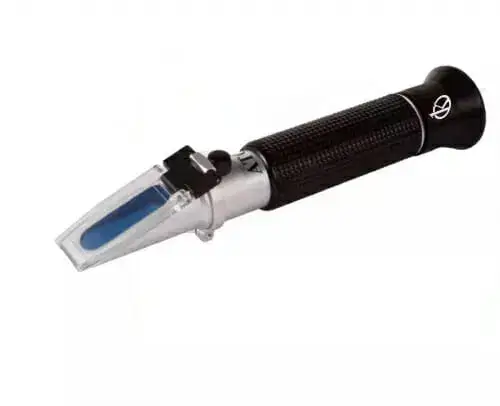
How to Implement Predictive Maintenance and Regular Calibration for Honey Refractometers
Honey refractometers play a crucial role in determining the quality and purity of honey by measuring its sugar concentration. To maintain their accuracy and longevity, implementing predictive maintenance and regular calibration is essential. This article explores these practices in detail, offering actionable insights for laboratory professionals.
Understanding Predictive Maintenance for Honey Refractometers
Predictive maintenance utilizes data and analytics to predict when equipment will fail, allowing for timely interventions. For honey refractometers, this means regularly checking their performance metrics to identify any anomalies that might indicate a need for maintenance.
Key Benefits of Predictive Maintenance
Implementing predictive maintenance can significantly reduce unexpected downtime and repair costs. By analyzing usage data from devices like the Honey Refractometers YR05885-1, labs can schedule maintenance during off-peak hours, ensuring continuous operation and optimal performance.
Regular Calibration: A Necessity for Accuracy
Calibration is the process of adjusting and verifying the accuracy of measurement devices. Regular calibration of honey refractometers is vital to ensure that the readings remain reliable and within the required standards.
Calibration Standards and Practices
The accuracy of honey refractometers must meet specific standards, such as those outlined by ISO 17025. Regular calibration against traceable standards ensures that measurements reflect true honey concentrations. For instance, the Honey Refractometers YR05886 can be calibrated to ensure a ±0.5% Brix accuracy.
Calibration Intervals: When to Calibrate
Determining the frequency of calibration depends on several factors, including the usage frequency and environmental conditions. A typical recommendation might be to calibrate after every 100 uses or at least once a month, whichever comes first.
Creating a Calibration Schedule
| Activity | Frequency | Responsible Personnel |
|---|---|---|
| Initial Calibration | Before first use | Lab Technician |
| Regular Calibration | Monthly | Quality Control Manager |
| Post-Repair Calibration | As needed | Lab Technician |
| Annual Review | Annually | Quality Assurance Team |
Common Mistakes and How to Avoid Them
One common mistake in maintaining honey refractometers is neglecting regular calibration. Many professionals assume that their devices are functioning correctly without periodic checks. To avoid this, establish a strict calibration schedule and adhere to it diligently.
Ignoring Environmental Factors
Environmental factors, such as temperature and humidity, can affect the readings of honey refractometers. Ensure that these devices are stored and operated in controlled conditions to minimize any potential deviations in accuracy.
Comparison of Available Models
| Model Code | Measurement Range | Min Division | Accuracy | Best For |
|---|---|---|---|---|
| YR05885 | 58-92% Brix | 0.50% Brix | ±0.5% Brix | Quality control in honey production |
| YR05885-1 | 58-92% Brix | 0.50% Brix | ±0.5% Brix | Laboratory testing of honey samples |
| YR05885-2 | 58-92% Brix | 0.50% Brix | ±0.5% Brix | Field testing for honey quality |
| YR05886 | 10-30% Water | 0.10% Water | ±0.1% Water | Determining moisture content in honey |
Frequently Asked Questions
What calibration standards should honey refractometers meet for accuracy?
Honey refractometers should meet the ISO 17025 calibration standards for accuracy. Models like YR05886 ensure that water content is measured with a precision of ±0.1%, complying with these standards.
How often should I calibrate my honey refractometer for best results?
It is recommended to calibrate your honey refractometer at least once a month or after every 100 uses. This ensures that models like YR05885 maintain their ±0.5% Brix accuracy over time.
What environmental conditions affect honey refractometer performance?
Temperature and humidity significantly affect honey refractometer performance. Keeping models like YR05885 in controlled environments helps maintain accuracy and prolongs their lifespan.
How can predictive maintenance improve my honey refractometer's lifespan?
Predictive maintenance helps identify potential issues before they result in failure. Regular performance checks on models like YR05885-1 can prevent costly downtime and ensure consistent quality testing.
Which honey refractometer model is best for field testing?
The Honey Refractometers YR05885-2 is ideal for field testing due to its robust design and accurate measurement range of 58-92% Brix, making it perfect for evaluating honey quality on-site.
What are the consequences of neglecting honey refractometer calibration?
Neglecting to calibrate can lead to inaccurate measurements, affecting product quality. Ensuring regular calibration of models like YR05886 can prevent significant errors in honey production processes.
How does regular calibration influence honey quality control?
Regular calibration ensures accurate measurements, which is critical for quality control in honey production. By maintaining models like YR05885 calibrated to standards, you can ensure product consistency.
Request a quote on our range of honey refractometers to optimize your laboratory operations.
If you are looking for a fusion of innovation and quality, you have come to the right place. At Kalstein, we offer you the luxury of exploring our exclusive catalog of laboratory equipment. We manufacture every device to the highest standards of excellence. Our intuitive and seamless online purchasing channels are designed for your convenience, securing the most competitive prices. Hesitate no longer — we bring science to life, it is time to become part of our community.