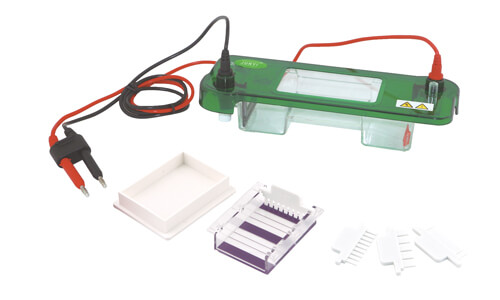
Predictive Maintenance and Recommended Calibration for Horizontal Electrophoresis Systems
Horizontal electrophoresis systems are essential tools in molecular biology and biochemistry laboratories, utilized for the separation and analysis of nucleic acids and proteins. The effectiveness of these systems is not solely dependent on their design and advanced features; their operational reliability is significantly influenced by predictive maintenance and regular calibration practices. This article examines these critical factors and their application to several models within the horizontal electrophoresis subcategory.
Understanding Predictive Maintenance in Electrophoresis
Predictive maintenance is an approach that employs data analysis tools and techniques to determine the condition of laboratory equipment and predict when maintenance should be performed. This proactive strategy helps in avoiding unexpected equipment failures that can disrupt laboratory workflows and research projects. For horizontal electrophoresis systems, maintaining optimal performance through predictive maintenance can enhance the accuracy of results and extend the lifespan of the instruments.
Recommended Calibration Practices for Horizontal Electrophoresis Systems
Calibration is an essential procedure to ensure that the electrophoresis equipment operates within specified parameters. Regular calibration of horizontal electrophoresis systems is necessary to maintain the reliability and accuracy of results. It involves comparing the output of the system against known standards and adjusting settings to ensure precision and accuracy in the experimental results.
Models Overview and Key Features
Several horizontal electrophoresis models are available, each offering unique features that cater to different laboratory needs. Understanding these features is crucial for selecting the right model and developing an effective maintenance and calibration strategy. Below is an overview of the models examined in this article:
| Model Code | Dimensions (mm) | Sample Volume (ml) | Buffer Volume (ml) | Weight (Kg) | Price (USD) |
|---|---|---|---|---|---|
| YR03415 | 250 x 90 x 50 | 3, 5, 9 | ~150 | 0.4 | 81.00 |
| YR03416 | 365 x 105 x 55 | 10, 15 | ~400 | 0.6 | 136.80 |
| YR03417 | 300 x 160 x 75 | 3, 6, 8, 11, 13, 18, 25 | ~550 | 1.1 | 183.00 |
| YR03418 | 390 x 187 x 63 | 1, 2, 3, 6, 14, 8, 17, 13, 29 | ~900 | 2.0 | 201.00 |
| YR03419 | 305 x 152 x 80 | 3, 5, 10, 15, 13, 26 | ~600 | 1.7 | 201.00 |
| YR03420 | 397 x 230 x 93 | 17, 22, 36, 44 | ~1,800 | 3.3 | 330.60 |
Comparison of Available Models
| Model | Calibration Frequency | Best Use Case | Weight Capacity | Recommended Maintenance Practices |
|---|---|---|---|---|
| YR03415 | Monthly | Small gels, quick analysis | 3-9 ml | Inspect buffer conditions regularly, clean surfaces |
| YR03416 | Monthly | Mid-size experiments | 10-15 ml | Frequent checking of gel integrity and alignment |
| YR03417 | Quarterly | Multiple sample processing | 3-25 ml | Maintain power supply and monitor cooling |
| YR03418 | Quarterly | Complex analysis | 1-29 ml | Detailed record-keeping of results |
| YR03419 | Quarterly | Versatile applications | 3-26 ml | Regular testing of buffer composition |
| YR03420 | Bi-annually | Large panel tests | 17-44 ml | Thorough annual inspections and updates |
Common Mistakes and How to Avoid Them
When it comes to predictive maintenance and calibration, laboratories often fall prey to certain common mistakes. Skipping scheduled maintenance can lead to equipment failures that are costly and time-consuming. Additionally, improper calibration techniques can result in inaccurate results, which can compromise research integrity. To avoid these issues, laboratories should establish a clear schedule for maintenance and calibration practices that align with the manufacturer's recommendations and adhere to standard operating procedures.
Benefits of Proper Calibration and Maintenance
Implementing robust calibration and predictive maintenance strategies for horizontal electrophoresis systems can yield several benefits. These include enhanced reliability of results, reduced downtime, and extended equipment life. Moreover, consistent calibration helps laboratories stay compliant with industry standards such as ISO 17025, ensuring that they maintain high-quality operational protocols.
Frequently Asked Questions
How often should horizontal electrophoresis systems be calibrated for ISO 17025 compliance?
For ISO 17025 compliance, horizontal electrophoresis systems like the YR03415 should be calibrated at least once a month to ensure accuracy and reliability in results.
What are best practices for maintaining horizontal electrophoresis equipment?
Best practices for maintaining equipment such as the YR03416 include regular inspections, cleaning after each use, and adhering to a strict calibration schedule to ensure optimal performance.
How can predictive maintenance improve the reliability of horizontal electrophoresis systems?
Predictive maintenance can enhance reliability by anticipating failures before they happen, allowing laboratories to address issues proactively, particularly for models like YR03418 where complex analyses are performed.
What specific calibration standards should labs follow for YR03417 models?
Labs should follow specific calibration standards such as ISO 17025 for the YR03417 model, ensuring precision and accuracy across various sample volumes.
Which horizontal electrophoresis model is best for complex analysis?
The YR03418 model is highly recommended for complex analysis due to its higher buffer volume and sample capacity, allowing for more in-depth experimentation.
How to avoid common mistakes in calibrating electrophoresis systems?
To avoid mistakes, ensure that the calibration of systems like the YR03419 is performed according to a defined schedule and documented thoroughly to maintain compliance and accuracy.
Why is it important to follow a maintenance schedule for horizontal electrophoresis equipment?
Following a maintenance schedule is crucial to prolonging the lifespan of systems like YR03420, as it helps prevent unexpected breakdowns and maintains consistent quality of outcomes.
How does regular calibration affect the performance of electrophoresis systems?
Regular calibration directly impacts performance by ensuring that models like YR03416 operate within specified parameters, thereby delivering accurate and reliable results for laboratory experiments.
If you are looking for a fusion of innovation and quality, you have come to the right place. At Kalstein, we offer you the luxury of exploring our exclusive catalog of laboratory equipment. We manufacture every device to the highest standards of excellence. Our intuitive and seamless online purchasing channels are designed for your convenience, securing the most competitive prices. Hesitate no longer — we bring science to life, it is time to become part of our community.