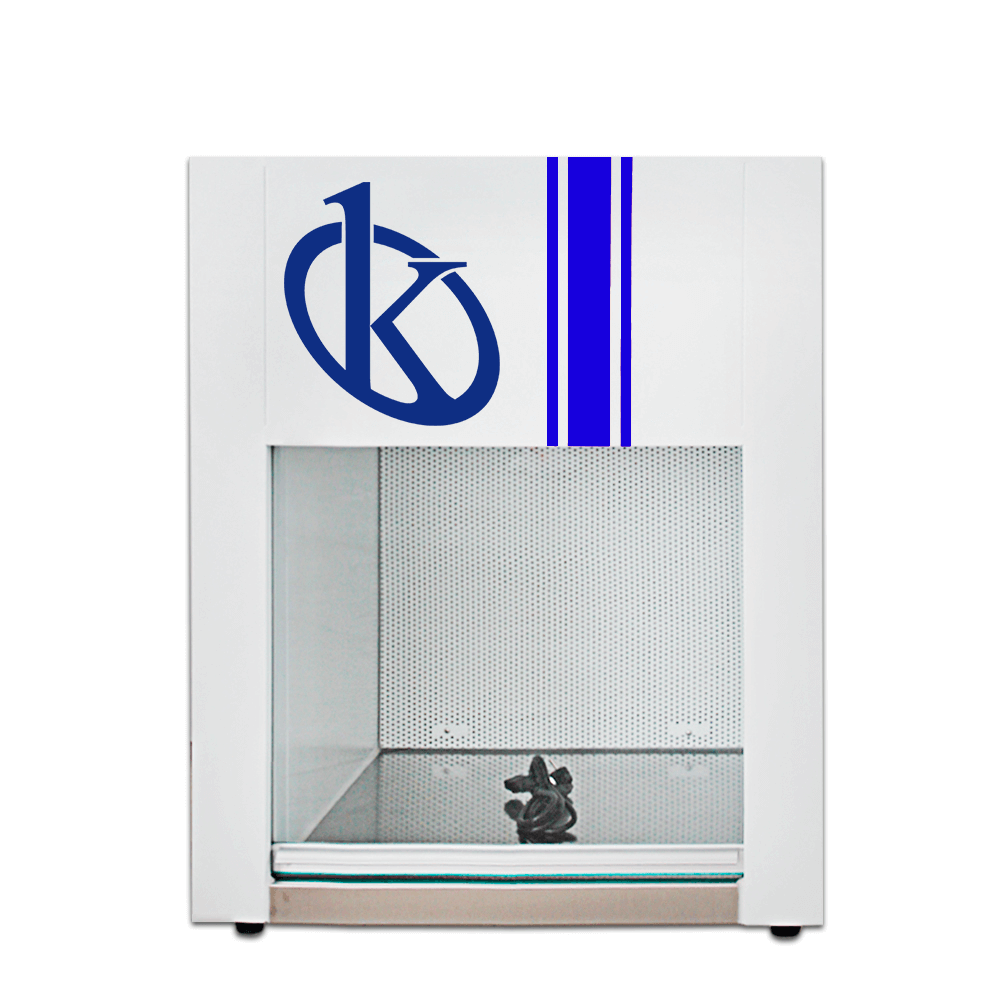
How Predictive Maintenance and Recommended Calibration Can Enhance Horizontal Laminar Flow Clean Benches
In laboratory environments where precision and cleanliness are paramount, horizontal laminar flow clean benches play a crucial role in maintaining an aseptic work area. This article delves deep into the significance of predictive maintenance and regular calibration for these clean benches, focusing on several models available in the market. We will explore how implementing these practices not only improves the lifespan and performance of the equipment but also ensures compliance with stringent industry standards.
Understanding Horizontal Laminar Flow Clean Benches
Horizontal laminar flow clean benches are designed to provide a sterile working environment by filtering out airborne contaminants. These benches are used widely across various sectors, including biotechnology, pharmaceuticals, and clinical research. The air is drawn through high-efficiency particulate air (HEPA) filters, creating a laminar flow that protects the workspace from particulate contamination.
Importance of Predictive Maintenance
Predictive maintenance refers to the proactive approach of monitoring and maintaining equipment to prevent failures before they occur. This method utilizes data collected from sensors and historical performance metrics to predict when maintenance should be performed. In the context of horizontal laminar flow clean benches, predictive maintenance ensures that the systems operate effectively, thereby safeguarding sample integrity and laboratory personnel.
Benefits of Predictive Maintenance
Implementing predictive maintenance in clean benches can lead to:
- Reduced Downtime: Regular monitoring and maintenance can significantly reduce unexpected equipment failures.
- Cost Savings: By preventing major repairs, laboratories can save on operational costs and extend the lifespan of their clean benches.
- Enhanced Performance: Predictive maintenance ensures that the laminar flow and HEPA filter functions are optimal, maintaining a clean environment.
Calibration Protocol: Recommended Practices
Regular calibration of horizontal laminar flow clean benches is essential to ensure that the equipment meets necessary standards of cleanliness and airflow. Calibration involves comparing the performance of the clean bench against a recognized standard to determine accuracy and reliability.
Calibration Frequency
It is generally recommended that clean benches be calibrated at least once a year, but this frequency may vary based on usage and environmental conditions. For example, the model YR05723 may require more frequent calibration if used in a high-traffic laboratory setting. Regular calibration helps to:
- Ensure Compliance: Adhering to ISO standards, such as ISO 14644, is crucial for laboratories, especially in regulated industries.
- Enhance Safety: Accurate airflow measurements and HEPA filter integrity reduce the risk of contamination.
- Maintain Quality Control: Calibration verifies that the clean bench continues to operate within specified parameters.
Comparison of Available Models
| Model | Cleanliness Level | Airflow Speed (m/s) | Noise Level (dB) | Price (USD) |
|---|---|---|---|---|
| YR05723 | Class 100 | 0.25 - 0.45 | ≤62 | 240.00 |
| YR05724 | Class 100 | 0.25 - 0.45 | ≤62 | 300.00 |
| YR05726 | Class 100 | 0.25 - 0.45 | ≤62 | 420.00 |
| YR05727 | Class 100 | 0.25 - 0.45 | ≤62 | 650.00 |
| YR05728 | Class 100 | 0.25 - 0.45 | ≤62 | 660.00 |
| YR05729 | Class 100 | 0.25 - 0.45 | ≤62 | 1020.00 |
Common Mistakes and How to Avoid Them
Laboratories often encounter several common issues regarding the maintenance and calibration of horizontal laminar flow clean benches:
- Neglecting Regular Maintenance: Many labs fail to schedule regular maintenance, which can lead to equipment breakdowns. Implementing a maintenance calendar can help avoid this issue.
- Using Non-Standard Calibration Tools: Always ensure that calibration is conducted using tools that meet industry standards, particularly for critical applications.
- Ignoring Environmental Factors: High humidity or temperature fluctuations can affect the performance of clean benches. Monitoring these conditions is essential.
Frequently Asked Questions
How often should I calibrate a horizontal laminar flow clean bench?
Calibration of a horizontal laminar flow clean bench, such as the YR05724, should be performed at least once a year to ensure compliance with standards like ISO 14644. However, more frequent calibration may be necessary depending on laboratory usage and environmental conditions.
What are the key benefits of predictive maintenance for clean benches?
Predictive maintenance for clean benches, including models like YR05726, reduces downtime, enhances performance, and saves on maintenance costs. This proactive approach allows for monitoring potential issues before they lead to equipment failures.
Which ISO standards relate to horizontal laminar flow clean benches?
Horizontal laminar flow clean benches are typically evaluated against ISO standards such as ISO 14644 for cleanroom classification and ISO 17025 for laboratory quality. Ensuring compliance with these standards is critical for laboratories using models like YR05729.
How can I ensure the cleanliness of my laminar flow clean bench?
To ensure the cleanliness of your laminar flow clean bench, like the YR05728, consistently follow a maintenance schedule, perform regular calibrations, and adhere to proper usage protocols to minimize contamination.
What is the typical lifespan of a horizontal laminar flow clean bench?
The lifespan of a horizontal laminar flow clean bench, such as YR05723, typically ranges from 5 to 10 years with proper maintenance and calibration. Regular servicing can extend this lifespan significantly.
What is the noise level of the horizontal laminar flow clean benches?
The noise level of horizontal laminar flow clean benches, including models like YR05724, is generally ≤62 dB, making them suitable for laboratories where noise control is important.
How do I choose the right model for my laboratory?
Choosing the right model, such as YR05726, depends on your laboratory's specific needs, including workspace size, required cleanliness level, and airflow specifications. Assessing these factors will guide your decision.
What maintenance practices should I follow for optimal performance?
To maintain optimal performance of your horizontal laminar flow clean bench, such as YR05727, follow a strict schedule for cleaning, calibration, and filter replacement, while also monitoring environmental conditions.
If you are looking for a fusion of innovation and quality, you have come to the right place. At Kalstein, we offer you the luxury of exploring our exclusive catalog of laboratory equipment. We manufacture every device to the highest standards of excellence. Our intuitive and seamless online purchasing channels are designed for your convenience, securing the most competitive prices. Hesitate no longer — we bring science to life, it is time to become part of our community.