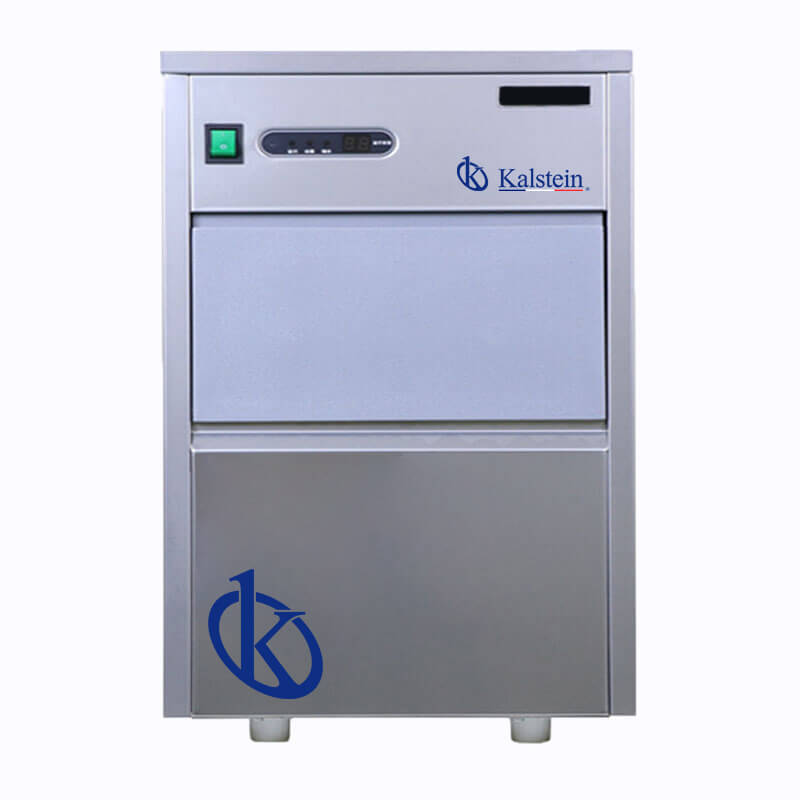
Essential Predictive Maintenance and Calibration Strategies for Ice Machines
As laboratory facilities increasingly rely on reliable ice machines for various applications, ensuring their optimal performance is paramount. Predictive maintenance and regular calibration play crucial roles in achieving this goal. This article explores the critical aspects of predictive maintenance and calibration of ice machines, including strategies, benefits, and a detailed comparison of several models available in the market.
Understanding Predictive Maintenance for Ice Machines
Predictive maintenance involves monitoring the condition of equipment to predict failures before they happen. This proactive approach minimizes downtime and prolongs the lifespan of ice machines. Utilizing sensors and data analytics, laboratories can track key performance indicators (KPIs) such as operational efficiency, temperature consistency, and ice production rates. For instance, monitoring the YR05130 model can provide insights into its 20 kg per 24 hours production capability, ensuring it meets the demand effectively.
Importance of Periodic Calibration
Calibration ensures that ice machines operate within specified performance parameters. Regular calibration is essential for maintaining the accuracy of ice production and storage temperatures. This is particularly relevant for laboratory settings where precise temperature control is crucial. Calibration standards like ISO 17025 can be used to guide laboratories in establishing protocols for calibrating ice machines. Models like YR05131 and YR05132 benefit greatly from such practices, ensuring their reliability in various laboratory environments.
Key Predictive Maintenance Strategies
Implementing predictive maintenance strategies involves several steps, including:
- Regular Inspection: Conduct routine inspections to identify wear and tear in components.
- Data Monitoring: Utilize software to collect operational data, analyzing it for performance anomalies.
- Condition-Based Maintenance: Schedule maintenance based on actual equipment condition rather than fixed intervals.
For instance, the YR05133 model, which produces 40 kg of ice per 24 hours, can be monitored for ice production trends to foresee maintenance needs.
Calibration Intervals and Standards
Establishing calibration intervals is crucial for maintaining ice machine accuracy. Typically, it is recommended to calibrate ice machines at least annually, but this may vary based on usage intensity. In some cases, biannual calibration is advisable. Models such as the YR05134 and YR05135, which have higher production rates (60 kg and 70 kg respectively), may require more frequent calibration checks to ensure performance consistency.
Comparison of Available Models
| Model Code | Ice Production (kg/24h) | Ice Storage Capacity (kg) | Power Consumption (W) | Best For |
|---|---|---|---|---|
| YR05130 | 20 | 10 | 280 | Small laboratory settings |
| YR05131 | 30 | 10 | 300 | Medium-sized laboratories |
| YR05132 | 40 | 15 | 360 | High-demand environments |
| YR05133 | 50 | 15 | 380 | Large laboratory applications |
| YR05134 | 60 | 25 | 420 | Extensive laboratory usage |
| YR05135 | 70 | 25 | 460 | Research-intensive environments |
Common Mistakes and How to Avoid Them
In the management of ice machines, common mistakes can lead to inefficient operations and increased maintenance costs. These include:
- Neglecting Regular Maintenance: Failure to follow maintenance schedules can result in unexpected breakdowns.
- Inadequate Training: Ensuring that personnel are well-trained on the operation and maintenance of ice machines is vital.
- Ignoring Calibration Needs: Skipping calibration can lead to inaccuracies in ice production and storage temperatures.
By focusing on regular training, adhering to maintenance schedules, and prioritizing calibration, laboratories can enhance the reliability of models like YR05134 and YR05135.
Frequently Asked Questions
What are the best predictive maintenance practices for ice machines in laboratories?
Implementing predictive maintenance for ice machines involves regular inspections, data monitoring, and condition-based maintenance. For example, monitoring the YR05130 model can ensure timely maintenance before issues arise, thereby enhancing performance and reliability.
How often should ice machines be calibrated to maintain accuracy?
Ice machines should typically be calibrated annually, or biannually for high-demand models like YR05134. Regular calibration ensures that temperature and ice production remain within specified standards, crucial for laboratory applications.
What are the consequences of neglecting calibration for ice machines?
Neglecting calibration can result in inaccurate ice production and temperature fluctuations, potentially compromising laboratory results. Models such as YR05131 may exhibit decreased efficiency without regular calibration, affecting overall lab performance.
How can predictive maintenance reduce downtime for ice machines?
By using predictive maintenance, labs can identify potential failures before they occur, minimizing unexpected downtime. For example, monitoring the performance metrics of YR05132 allows for proactive maintenance, ensuring continuous ice production critical for lab operations.
What role does calibration play in the reliability of ice machines?
Calibration ensures that ice machines operate according to specified standards, affecting both performance and reliability. Regularly calibrating models like YR05133 can help maintain their consistent output, essential for laboratory applications.
How do different models of ice machines compare in terms of maintenance needs?
Models like YR05130, with lower production capacities, may require less intensive maintenance compared to high-capacity models like YR05135. Understanding these differences can help labs allocate resources effectively for maintenance.
What are the energy consumption considerations for ice machines in laboratories?
Energy consumption varies by model, with larger machines like YR05134 consuming more power. Understanding these consumption rates can help labs manage operational costs and choose energy-efficient models where necessary.
How does predictive maintenance affect the lifespan of ice machines?
Predictive maintenance can significantly extend the lifespan of ice machines by addressing issues before they escalate. Regularly monitoring models like YR05131 allows for timely repairs, enhancing their durability and effectiveness.
If you are looking for a fusion of innovation and quality, you have come to the right place. At Kalstein, we offer you the luxury of exploring our exclusive catalog of laboratory equipment. We manufacture every device to the highest standards of excellence. Our intuitive and seamless online purchasing channels are designed for your convenience, securing the most competitive prices. Hesitate no longer — we bring science to life, it is time to become part of our community.