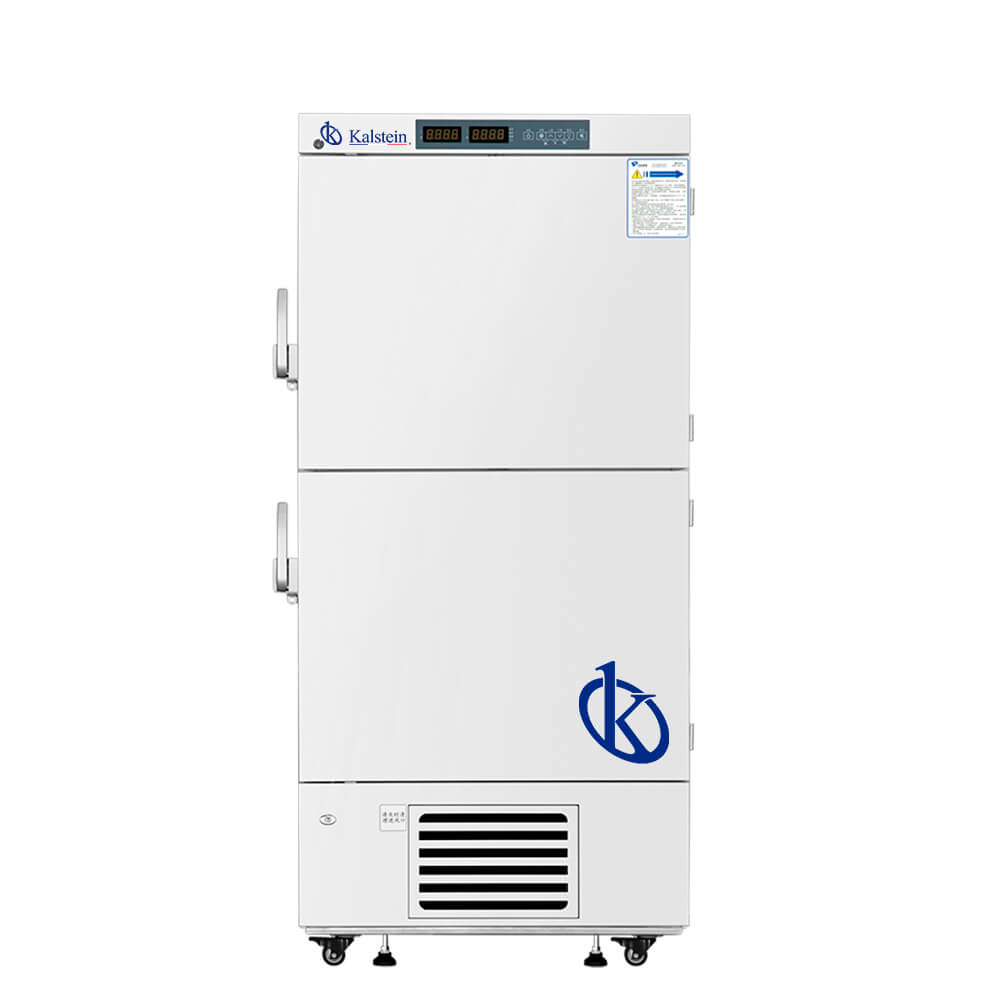
Understanding Predictive Maintenance and Recommended Calibration for Low Temperature Freezers
In laboratory environments, low temperature freezers are critical for preserving biological samples, pharmaceuticals, and other sensitive materials. Predictive maintenance and regular calibration are essential to ensure these freezers operate at optimal performance and comply with regulatory standards. This article delves into the significance of these practices and compares multiple models underlining their features.
The Role of Predictive Maintenance in Low Temperature Freezers
Predictive maintenance involves the use of data-driven approaches to determine the condition of equipment in order to predict when maintenance should be performed. This strategy minimizes unplanned downtime, enhances the reliability of low temperature freezers, and prolongs their lifespan. By regularly monitoring indicators such as temperature stability and energy consumption, labs can identify potential failures before they occur.
Recommended Calibration Practices for Low Temperature Freezers
Calibration of low temperature freezers is vital for maintaining compliance with ISO 17025 standards. Regular checks against traceable standards ensure that the unit maintains the desired temperature within specified limits. Calibration intervals should be established based on manufacturer recommendations and the specific laboratory's operational practices to ensure consistent performance.
Key Features to Consider for Predictive Maintenance
When selecting a low temperature freezer, several features aid predictive maintenance, including automatic alerts for temperature fluctuations, built-in diagnostic tools, and data logging capabilities. These features help in monitoring the equipment’s condition and facilitate timely interventions.
Comparison of Available Models
| Model | Temperature Range (°C) | Energy Consumption (kWh/24h) | Cooling Method | Best for |
|---|---|---|---|---|
| YR05100 | -20 to -40 | 6.7 | Direct Cooling | Flexible sample storage |
| YR05309 | -20 to -40 | 5.5 | Direct Cooling | Medical supplies |
| YR05311 | -10 to -25 | 3.0 | Direct Cooling | Laboratory use |
How Predictive Maintenance Enhances Compliance
Predictive maintenance not only maximizes the operational efficiency of low temperature freezers but also helps in meeting compliance with industry standards. Regular maintenance checks can reveal non-conformities in temperature control, which, if left unaddressed, could lead to sample degradation. This is particularly important for laboratories that must adhere to strict regulations, such as ISO 17025.
Common Calibration Mistakes and How to Avoid Them
Calibration mistakes can lead to significant issues, including compromised sample integrity. Common errors include not using traceable standards, failing to document calibration results, and neglecting routine checks. To avoid these pitfalls, laboratories should implement a robust calibration protocol that includes scheduled checks and records of all calibration activities.
Best Practices for Setting Calibration Intervals
Calibration intervals for low temperature freezers should be determined based on factors such as usage frequency, the nature of stored samples, and manufacturer recommendations. A general guideline is to calibrate at least once every six months, but high-usage scenarios may require more frequent checks. Keeping a detailed log of calibration activities can help tailor intervals to specific laboratory needs.
Frequently Asked Questions
What are the best practices for maintaining low temperature freezers?
Best practices include regular monitoring of temperature, implementing predictive maintenance strategies, and ensuring timely calibration against traceable standards. For example, the YR05100 model can help monitor conditions effectively to maintain compliance.
How often should low temperature freezers be calibrated for accuracy?
Calibration should occur at least every six months, or more frequently based on usage and the sensitivity of stored materials. For instance, the YR05309 model is equipped with features to assist with regular calibration checks.
What temperature range is optimal for storing biological samples?
Typically, biological samples are stored at a temperature range of -20 to -40 °C in low temperature freezers. The YR05311 model provides flexibility within this range, making it suitable for a wide variety of samples.
How can predictive maintenance prevent freezer failures?
By analyzing performance data and regular checks, predictive maintenance can identify potential issues before they lead to failures. For instance, the YR05100 model has features that alert users to temperature deviations.
Which low temperature freezer model is best for medical supplies?
The YR05309 model is particularly designed for medical supplies, offering multiple alarms for monitoring and ensuring the integrity of stored items.
What role does temperature monitoring play in compliance?
Temperature monitoring is critical for compliance with regulations such as ISO 17025, ensuring that samples are kept under specified conditions. The YR05311 model supports consistent monitoring to aid in compliance.
How can I reduce energy consumption in my low temperature freezer?
Implementing energy-efficient practices, such as regular maintenance and optimizing the freezer load, can significantly reduce energy consumption. For instance, the YR05309 model has lower energy consumption rates compared to others in its category.
What features should I look for in a low temperature freezer for laboratory use?
Key features include reliable temperature control, alarms for temperature deviations, and energy efficiency. The YR05100 model, for example, offers robust features tailored for laboratory applications.
Request a quote on Kalstein Plus to explore tailored solutions for your laboratory needs.
If you are looking for a fusion of innovation and quality, you have come to the right place. At Kalstein, we offer you the luxury of exploring our exclusive catalog of laboratory equipment. We manufacture every device to the highest standards of excellence. Our intuitive and seamless online purchasing channels are designed for your convenience, securing the most competitive prices. Hesitate no longer — we bring science to life, it is time to become part of our community.