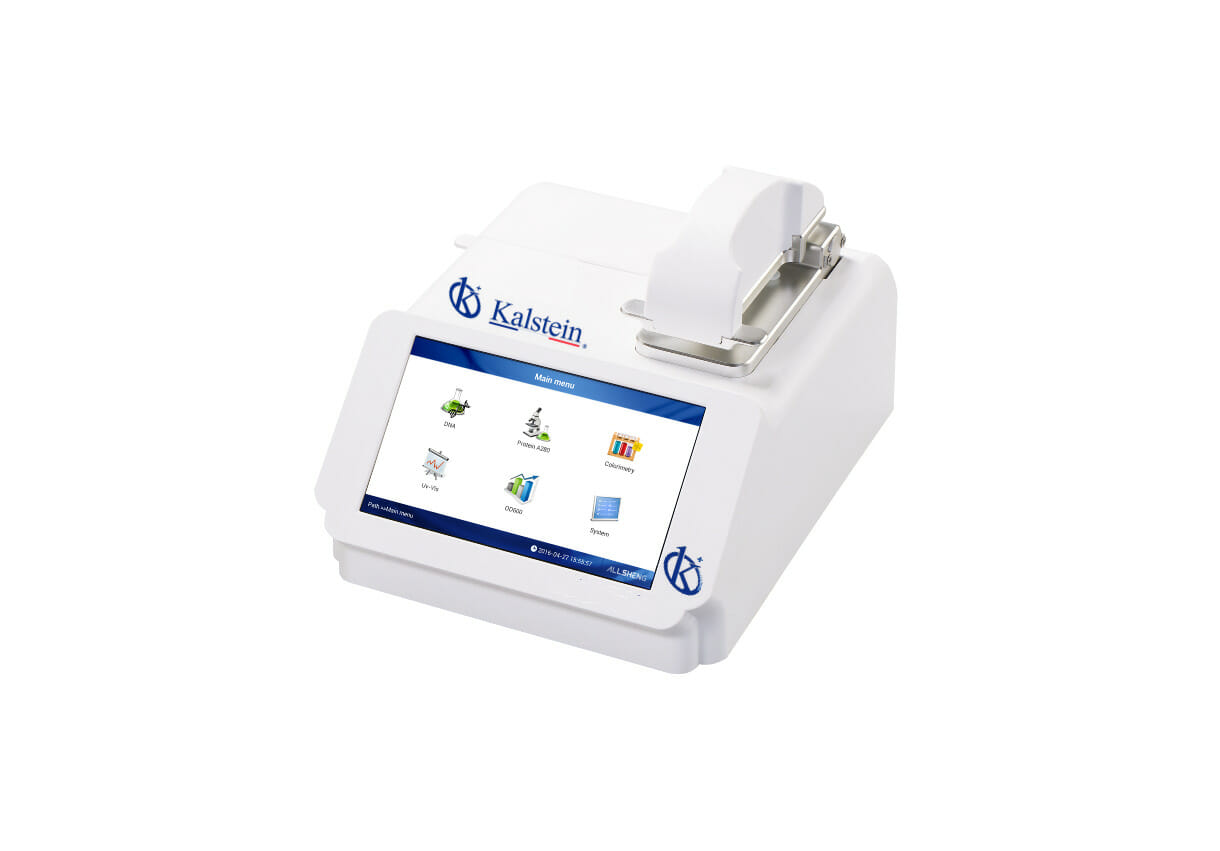
Predictive Maintenance and Recommended Calibration for Micro-Spectrophotometers
Micro-spectrophotometers play an essential role in various laboratory applications, especially in measuring nucleic acids and proteins. However, to maintain their accuracy and reliability, regular calibration and predictive maintenance are vital. This article delves into the importance of these aspects and how they can enhance laboratory performance.
Understanding Predictive Maintenance in Micro-Spectrophotometers
Predictive maintenance involves monitoring the operational performance of laboratory equipment to anticipate potential failures before they occur. By employing predictive maintenance strategies, labs can ensure that micro-spectrophotometers such as the YR06033-1 and YR06035 perform optimally, thereby reducing downtime and extending the lifespan of the equipment.
Importance of Calibration for Micro-Spectrophotometers
Calibration is crucial for ensuring the accuracy and reliability of measurements taken by micro-spectrophotometers. Regular calibration helps labs adhere to industry standards and improves the quality of results. Models like the YR06034 require specific calibration protocols to maintain their performance in nucleic acid quantification.
Calibration Intervals for Micro-Spectrophotometers
The frequency of calibration can vary based on usage and environmental factors. It is generally recommended to calibrate micro-spectrophotometers at least once a month, or more frequently if used in high-throughput environments. This ensures accurate measurements and compliance with regulatory requirements.
Best Practices for Predictive Maintenance and Calibration
- Regular Performance Monitoring: Implement routines to monitor the performance metrics of your micro-spectrophotometers.
- Documentation: Keep detailed logs of calibration activities and maintenance schedules for compliance and traceability.
- Use of Certified Standards: Always calibrate using traceable standards to ensure measurement accuracy.
- Training: Ensure that laboratory personnel are adequately trained in maintenance and calibration protocols.
Common Calibration Techniques
Calibration techniques may include using standard solutions for absorbance measurements, verifying wavelength accuracy with certified filters, and ensuring that the baseline is stable. Each model, such as the YR06035, may have specific calibration requirements outlined by the manufacturer to optimize performance.
Comparison of Available Models
| Model | Wavelength Range | Minimum Sample Size | Calibration Protocol | Best For |
|---|---|---|---|---|
| YR06033-1 | 200-800 nm | 0.5-2.0 μl | Monthly with certified DNA standards | High-throughput nucleic acid analysis |
| YR06034 | 260 nm, 280 nm | 1-2.0 μl | Bi-weekly with RNA standards | Routine DNA/RNA concentration measurements |
| YR06035 | 200-800 nm | 0.5-2.0 μl | Monthly with standard absorbance measures | Comprehensive spectrophotometric analysis |
Common Mistakes and How to Avoid Them
Many laboratories encounter pitfalls concerning calibration and maintenance. These include underestimating the importance of routine checks, using non-certified standards, and failing to log calibration activities. To avoid these mistakes, establish a strict maintenance schedule and provide thorough training for lab personnel.
Frequently Asked Questions
How often should micro-spectrophotometers be calibrated for optimal performance?
Micro-spectrophotometers should ideally be calibrated at least once a month. Models like the YR06033-1 perform best when calibrated with certified standards, ensuring accurate nucleic acid measurements.
What are the key predictive maintenance strategies for micro-spectrophotometers?
Key strategies include regular performance monitoring, maintaining comprehensive maintenance logs, and training users on calibration procedures. Implementing these strategies for models like the YR06034 can prolong their lifespan and enhance reliability.
Which calibration protocols are essential for the YR06035 model?
The YR06035 requires calibration protocols that include using traceable absorbance standards and checking wavelength accuracy. Regular calibration ensures compliance with laboratory standards and accurate readings.
What impact does predictive maintenance have on micro-spectrophotometer lifespan?
Predictive maintenance significantly extends the lifespan of micro-spectrophotometers by preventing unexpected failures and ensuring optimal performance. Regular checks on models like the YR06033-1 ensure they remain functional and accurate.
How can laboratories determine the appropriate calibration frequency?
Calibration frequency can be determined by usage intensity and environmental conditions. Labs should consider calibrating micro-spectrophotometers like the YR06034 more frequently in high-demand scenarios.
What are the benefits of maintaining calibration logs for micro-spectrophotometers?
Maintaining calibration logs helps in compliance with industry standards and facilitates traceability. For instance, documenting the calibration history of the YR06035 can be crucial during audits or quality assurance processes.
What materials are recommended for calibrating micro-spectrophotometers?
Using certified DNA or RNA standards for calibration is recommended. These materials ensure high accuracy in measurements, particularly for models like the YR06033-1 that are sensitive to concentration variations.
Conclusion
If you are looking for a fusion of innovation and quality, you have come to the right place. At Kalstein, we offer you the luxury of exploring our exclusive catalog of laboratory equipment. We manufacture every device to the highest standards of excellence. Our intuitive and seamless online purchasing channels are designed for your convenience, securing the most competitive prices. Hesitate no longer — we bring science to life, it is time to become part of our community.