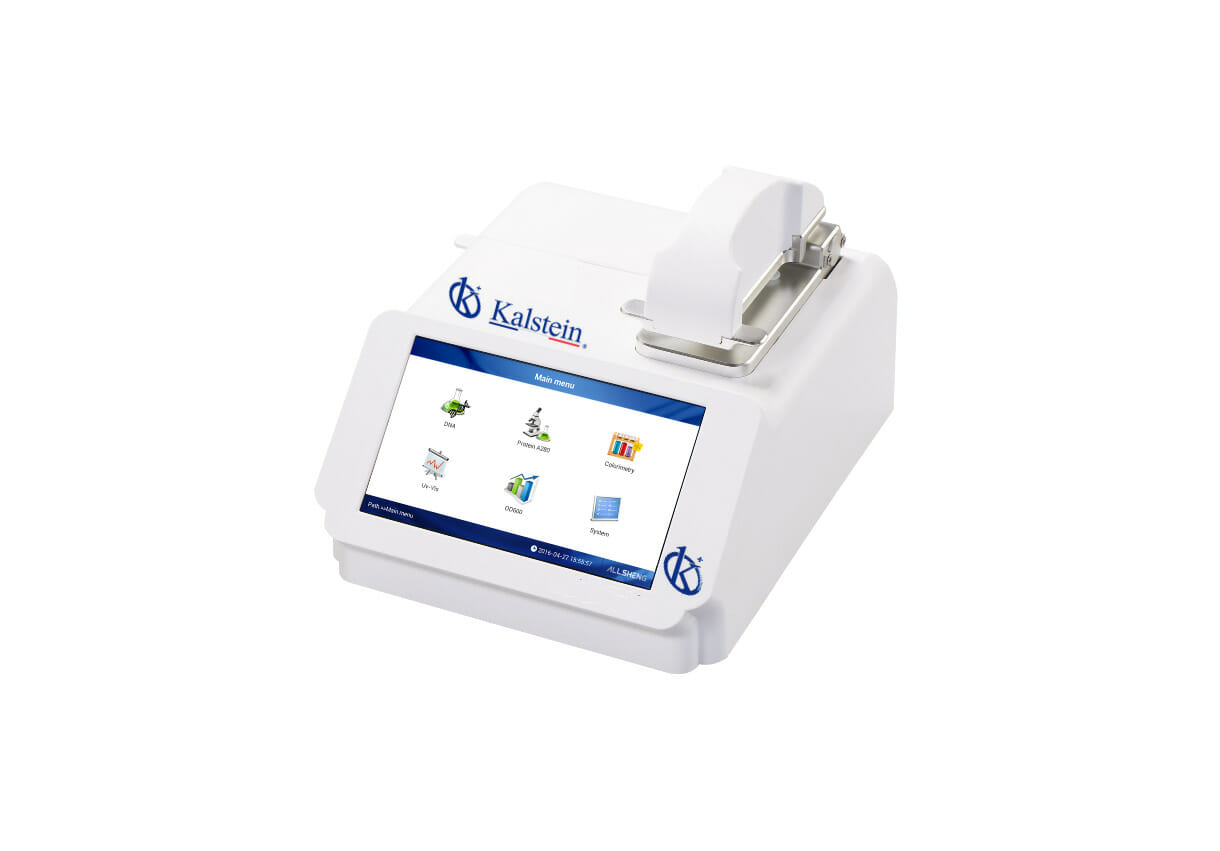
Understanding Predictive Maintenance and Recommended Calibration for Micro-Spectrophotometers
Micro-spectrophotometers play a vital role in various laboratory applications, particularly in the fields of molecular biology and biochemistry, where precise measurements of nucleic acids and proteins are essential. As these instruments are integral to ensuring the accuracy and reliability of experimental results, implementing predictive maintenance and adhering to recommended calibration practices are paramount for laboratory professionals. This article delves into the intricate aspects of maintenance strategies, calibration standards, and the performance comparison of various models in the micro-spectrophotometer category.
Importance of Predictive Maintenance in Micro-Spectrophotometers
Predictive maintenance refers to the proactive approach of predicting equipment failures before they occur, utilizing data-driven insights and analytics. For micro-spectrophotometers, this entails regular assessments and monitoring of instrument performance metrics to identify potential issues before they lead to breakdowns or inaccuracies in measurements.
Implementing predictive maintenance offers several benefits: improved equipment uptime, enhanced data integrity, and reduced operational costs. By continuously monitoring key performance indicators (KPIs), laboratories can ensure that their micro-spectrophotometers, like the YR06033-1 and YR06035, are functioning optimally, thus safeguarding the quality of experimental outcomes.
Recommended Calibration Practices for Micro-Spectrophotometers
Calibration is a critical procedure that validates the measurement accuracy of micro-spectrophotometers. Regular calibration against traceable standards ensures that the instruments meet the required specifications and maintain compliance with industry standards. The calibration frequency depends on several factors, including the instrument's usage intensity and the laboratory's specific requirements.
The recommended calibration schedule may vary for different models. For instance, the YR06034 model, known for its efficiency in nucleic acid quantification, should be calibrated bi-annually to ensure minimal deviation in absorbance measurements. Establishing a calibration plan that aligns with the laboratory's operational workflow can significantly enhance measurement reliability.
Key Performance Indicators (KPIs) for Monitoring Micro-Spectrophotometers
| Indicator | Description | Suggested Frequency |
|---|---|---|
| MTBF (Mean Time Between Failures) | Average time between instrument failures. | Monthly |
| MTTR (Mean Time To Repair) | Time taken to repair the instrument after a failure. | After each failure |
| Calibration Drift | Measurement deviation from the expected result. | Before each major experiment |
Comparison of Available Models
| Model Code | Wavelength Range | Minimum Sample Size | Price (USD) | Best For |
|---|---|---|---|---|
| YR06033-1 | 200-800 nm | 0.5-2.0 μl | 5040.00 | High-throughput nucleic acid analysis |
| YR06034 | 260 nm, 280 nm | 1-2.0 μl | 2520.00 | Basic UV analysis |
| YR06035 | 200-800 nm | 0.5-2.0 μl | 6090.00 | Advanced research applications |
Common Mistakes and How to Avoid Them
Laboratory personnel often encounter challenges when ensuring the effective maintenance and calibration of micro-spectrophotometers. Common mistakes include neglecting routine performance checks, failing to utilize appropriate calibration standards, and overlooking manufacturer recommendations for maintenance schedules.
To avoid these pitfalls, laboratories should establish a comprehensive maintenance protocol that includes regular performance assessments, adherence to calibration schedules based on usage, and the use of certified calibration standards. Training laboratory staff on the importance of these practices can significantly enhance instrument reliability and experimental accuracy.
Frequently Asked Questions
What are the calibration requirements for micro-spectrophotometers in laboratories?
The calibration requirements for micro-spectrophotometers, such as the YR06034, typically involve biannual calibration against traceable standards to maintain measurement accuracy and comply with industry regulations.
How does predictive maintenance improve the performance of micro-spectrophotometers?
Predictive maintenance for micro-spectrophotometers like the YR06035 improves performance by utilizing data analytics to anticipate failures, thus enhancing uptime and ensuring consistent measurement accuracy.
What are the common calibration intervals for micro-spectrophotometers?
Common calibration intervals for micro-spectrophotometers vary, but a standard recommendation is to calibrate instruments like the YR06033-1 every six months for optimal accuracy.
Which micro-spectrophotometer is best for high-throughput nucleic acid analysis?
The YR06033-1 micro-spectrophotometer is best suited for high-throughput nucleic acid analysis, featuring a wide wavelength range of 200-800 nm and requiring only a small sample volume.
What is the role of KPIs in maintaining micro-spectrophotometers?
KPIs such as MTBF and calibration drift play a crucial role in maintaining micro-spectrophotometers by providing measurable metrics that guide maintenance schedules and operational efficiency.
How can laboratories avoid common mistakes in micro-spectrophotometer maintenance?
Laboratories can avoid common maintenance mistakes by implementing a structured maintenance protocol that includes regular checks, adherence to calibration schedules, and thorough training for staff.
What maintenance strategies ensure the longevity of micro-spectrophotometers?
Effective maintenance strategies for micro-spectrophotometers include regular calibration, predictive maintenance practices, and continuous monitoring of instrument performance to preemptively address issues.
How frequently should micro-spectrophotometers be calibrated?
Micro-spectrophotometers should generally be calibrated every six months, depending on usage frequency and the specific model, such as the YR06034, which requires attention to ensure accuracy.
If you are looking for a fusion of innovation and quality, you have come to the right place. At Kalstein, we offer you the luxury of exploring our exclusive catalog of laboratory equipment. We manufacture every device to the highest standards of excellence. Our intuitive and seamless online purchasing channels are designed for your convenience, securing the most competitive prices. Hesitate no longer — we bring science to life, it is time to become part of our community.