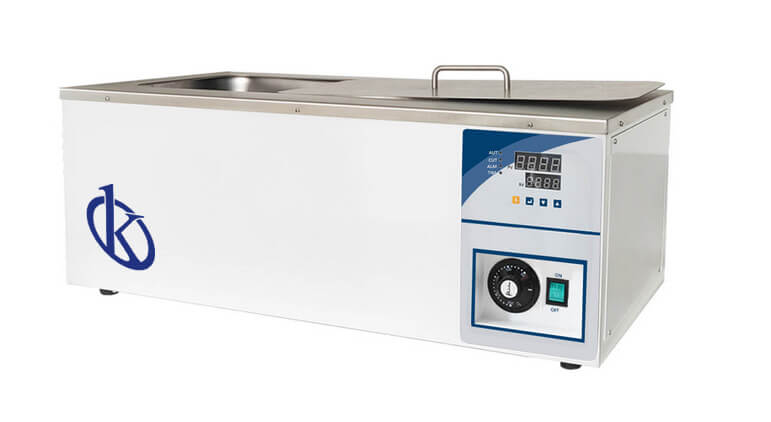
How to Implement Predictive Maintenance and Periodic Calibration for Oil Baths
Oil baths are vital equipment in laboratories, particularly in fields like bioengineering, food science, and chemistry. As equipment that must maintain a consistent temperature for accurate results, implementing predictive maintenance and periodic calibration is crucial. This article delves into the importance of these practices, compares various oil bath models, and highlights common mistakes to avoid.
Understanding Predictive Maintenance in Oil Baths
Predictive maintenance is a strategy that utilizes data analysis tools and techniques to predict when equipment will fail, allowing for timely maintenance. For oil baths, this means regularly monitoring temperature accuracy, examining heating elements, and checking for oil degradation. By adhering to a predictive maintenance schedule, labs can maximize equipment lifespan and reduce unplanned downtimes.
Periodic Calibration: Ensuring Accuracy
Calibration is the process of adjusting the precision of an instrument to ensure accurate readings. For oil baths, periodic calibration is essential to maintain compliance with industry standards and to ensure that experiments yield reliable results. Calibration intervals often depend on the usage patterns and specific regulations governing laboratory practices.
Factors Influencing Predictive Maintenance and Calibration
Several factors can significantly affect the effectiveness of predictive maintenance and calibration in oil baths, including:
- Usage Frequency: The more an oil bath is used, the more frequent calibration and maintenance should be.
- Temperature Range: Operating at extreme temperatures can accelerate wear and tear, necessitating more regular checks.
- Environmental Conditions: Humidity and dust can influence performance and should be accounted for in maintenance schedules.
Key Features of Oil Bath Models
When selecting an oil bath, it is essential to consider various specifications and features that support predictive maintenance and calibration. Here, we compare four models of oil baths:
| Model Code | Temperature Range (°C) | Power (W) | Features |
|---|---|---|---|
| YR04973 | RT. +5~250 | 1000 | Smart control system, dual use of water and oil |
| YR04974 | RT. +5~250 | 1200 | PID controller, rapid heating |
| YR04975 | RT. +5~250 | 1600 | Mechanical temperature limiter, high accuracy |
| YR04976 | RT. +5~250 | 2000 | Alarm for over-temperature, strong stability |
Comparison of Available Models
| Model Code | Calibration Frequency (Months) | Predictive Maintenance Features | Best Use Case |
|---|---|---|---|
| YR04973 | 12 | Smart control, temperature monitoring | General laboratory use |
| YR04974 | 8 | PID control, rapid response | Food science applications |
| YR04975 | 10 | High accuracy features | Chemical processing |
| YR04976 | 6 | Enhanced stability features | Bioengineering projects |
Common Mistakes and How to Avoid Them
In the management of oil baths, certain errors can compromise both the effectiveness of maintenance and the reliability of calibration. Here are some common mistakes to avoid:
- Inconsistent Calibration Schedule: Failing to stick to a regular calibration schedule can lead to inaccurate results.
- Ignoring Signs of Wear: Not addressing unusual temperature fluctuations can result in equipment failure.
- Neglecting Documentation: Adequate documentation is key for compliance and should be maintained meticulously.
Frequently Asked Questions
What is the recommended calibration frequency for oil baths in laboratories?
The recommended calibration frequency for oil baths, such as the YR04973, varies but is generally around 6 to 12 months, depending on usage patterns and specific laboratory regulations.
How do I implement predictive maintenance for my oil bath equipment?
Implementing predictive maintenance for oil baths involves regularly monitoring performance metrics, such as temperature stability and response time. For example, using the YR04974 can enhance data collection through its PID control systems.
What are the common signs that my oil bath needs calibration?
Some common signs that an oil bath, like the YR04975, needs calibration include inconsistent temperature readings, extended heating times, and unusual fluctuations during operation.
Which oil bath model is best for high-precision applications?
The YR04975 is particularly suited for high-precision applications, thanks to its mechanical temperature limiter and high accuracy specifications, ensuring reliable results.
What impact does environmental control have on oil bath efficiency?
Environmental control significantly impacts oil bath efficiency. Factors such as humidity and dust can affect performance, making consistent monitoring essential for maintaining models like the YR04976.
How can I ensure compliance with industry standards when using oil baths?
Ensuring compliance with industry standards, particularly for models like the YR04974, involves adhering to calibration schedules, maintaining records, and following best practices for maintenance.
What are the benefits of using smart control systems in oil baths?
Smart control systems, like those in the YR04973, offer several benefits, including enhanced temperature accuracy, faster heating times, and easier operation, which are critical for effective laboratory work.
How does oil type affect the performance of oil baths?
The type of oil used can significantly affect performance. For instance, using the right oil can ensure optimal temperature stability and reduce contamination in models like the YR04976.
If you are looking for a fusion of innovation and quality, you have come to the right place. At Kalstein, we offer you the luxury of exploring our exclusive catalog of laboratory equipment. We manufacture every device to the highest standards of excellence. Our intuitive and seamless online purchasing channels are designed for your convenience, securing the most competitive prices. Hesitate no longer — we bring science to life, it is time to become part of our community.