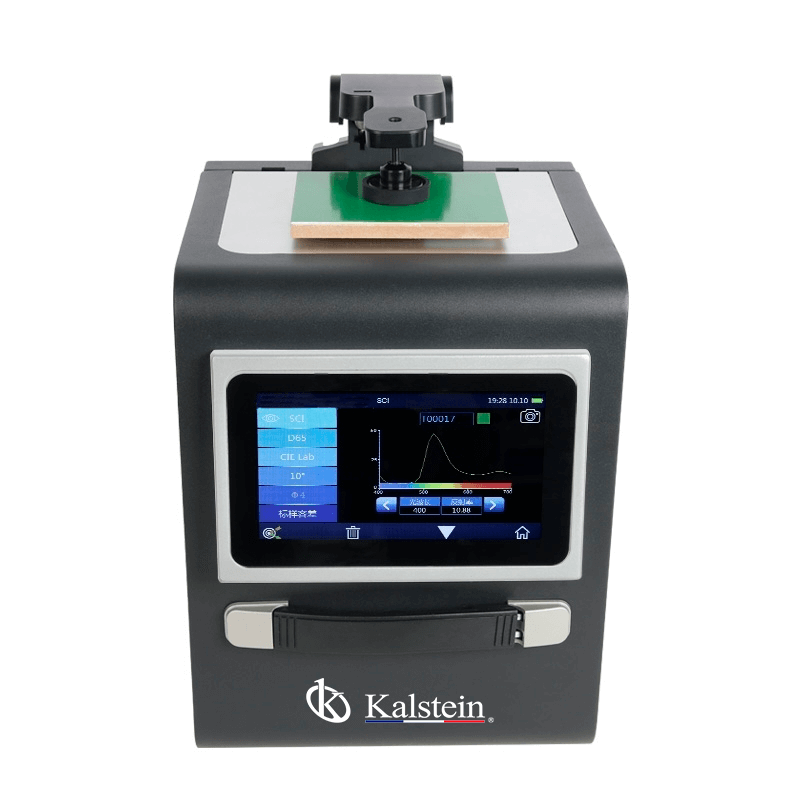
Understanding Predictive Maintenance and Recommended Calibration for Portable Benchtop Spectrophotometers
In laboratory settings, the reliability and accuracy of portable benchtop spectrophotometers are paramount. These devices play an essential role in various applications ranging from color measurement to quality control. However, to maintain their performance and ensure compliance with industry standards, regular calibration and predictive maintenance are necessary. This article delves into the significance of these practices, focusing on the key models in this subcategory and how they can optimize laboratory workflows.
Importance of Predictive Maintenance and Calibration
Predictive maintenance involves the use of data-driven insights to anticipate equipment failures before they occur. This approach not only helps in reducing downtime but also extends the lifespan of the instruments. For portable benchtop spectrophotometers, regular calibration is crucial to ensure that measurements are accurate and reliable. Calibration aligns the instrument's output with accepted standards, allowing for consistent results across different tests.
Key Calibration Standards and Protocols
For effective calibration of portable benchtop spectrophotometers, adherence to established standards is essential. Common standards include ISO 17025, which outlines requirements for testing and calibration laboratories, and ASTM E1164, which provides guidelines for color measurement. By complying with these standards, laboratories can ensure that their spectrophotometers deliver accurate and consistent results, critical for quality assurance in various industries.
Features of Portable Benchtop Spectrophotometers
Portable benchtop spectrophotometers come equipped with various features that facilitate ease of use and enhance measurement accuracy. For example, models like the YR05484 utilize a 45/0 optical geometry, making them ideal for precise color measurement in applications such as paint evaluation and textile dyeing. On the other hand, the YR05485 employs a D/8 optical geometry, suitable for larger samples and providing flexibility in diverse laboratory environments.
Comparison of Available Models
| Model | Optical Geometry | Specifications | Best for |
|---|---|---|---|
| YR05484 | 45/0 | Delta E * ab control within 0.02 | Precise color measurement in laboratory settings |
| YR05485 | D/8 | Delta E * ab control within 0.05 | Measuring larger samples with high accuracy |
| YR05486 | D/8 | Custom aperture for versatility | General color measurement applications |
| YR05487 | D/8 | Enhanced adaptability for horizontal/vertical measurement | Quality control in textiles and ceramics |
Common Mistakes and How to Avoid Them
When it comes to maintaining portable benchtop spectrophotometers, there are several common mistakes that laboratories often make. One of the most prevalent is neglecting regular calibration, which can lead to inaccurate readings and compromised data quality. To avoid this, implement a strict calibration schedule based on usage frequency and adhere to recognized standards. Additionally, laboratories should ensure proper training for personnel on how to operate these instruments effectively, preventing errors that could arise from misuse.
Calculating Calibration Intervals
Determining how often to calibrate your portable benchtop spectrophotometer depends on several factors, including the intensity of use, the criticality of the measurements, and environmental conditions. As a general rule, instruments used in high-precision applications may require monthly calibration, while those used less frequently could be calibrated quarterly. Keeping a log of calibration dates and results will aid in optimizing this process.
Frequently Asked Questions
How often should I calibrate my portable benchtop spectrophotometer for best performance?
The frequency of calibration for your portable benchtop spectrophotometer, such as the YR05485, typically depends on usage. For high-precision tasks, a monthly calibration is recommended, while quarterly checks may suffice for less frequent use.
What are the benefits of predictive maintenance for portable spectrophotometers?
Predictive maintenance helps in identifying potential failures before they occur. By implementing this approach for models like the YR05486, labs can reduce downtime and extend equipment lifespan through timely interventions.
Which calibration standards are critical for laboratory spectrophotometers?
Standards such as ISO 17025 and ASTM E1164 are essential for ensuring accurate measurements. Adhering to these standards when using models like YR05484 ensures compliance and high-quality results in laboratory settings.
How do I choose the right portable benchtop spectrophotometer for my laboratory?
Choosing the right model involves assessing your specific needs. For example, if you require flexibility for larger samples, the YR05485's D/8 optical geometry may be ideal. Ensure that the chosen model aligns with your measurement requirements.
What metrics should I track for predictive maintenance on spectrophotometers?
Key metrics include calibration intervals, operational hours, and performance deviations. Monitoring these metrics for devices like the YR05487 allows for data-driven decisions that enhance reliability and performance.
How can I incorporate calibration logs into my laboratory workflow?
Incorporating calibration logs can streamline your laboratory workflow. For instance, maintaining digital records that track the calibration history of instruments like YR05486 ensures compliance with regulations and simplifies audits.
What are the common issues faced during calibration of spectrophotometers?
Common issues include incorrect calibration procedures and insufficient training of personnel. Using standardized protocols and ensuring staff are well-trained on models like YR05484 can mitigate these challenges.
How do environmental factors affect the calibration of portable spectrophotometers?
Environmental factors like temperature and humidity can significantly impact calibration accuracy. For models such as YR05485, maintaining stable laboratory conditions helps ensure that the calibration remains valid and reliable.
If you are looking for a fusion of innovation and quality, you have come to the right place. At Kalstein, we offer you the luxury of exploring our exclusive catalog of laboratory equipment. We manufacture every device to the highest standards of excellence. Our intuitive and seamless online purchasing channels are designed for your convenience, securing the most competitive prices. Hesitate no longer — we bring science to life, it is time to become part of our community.