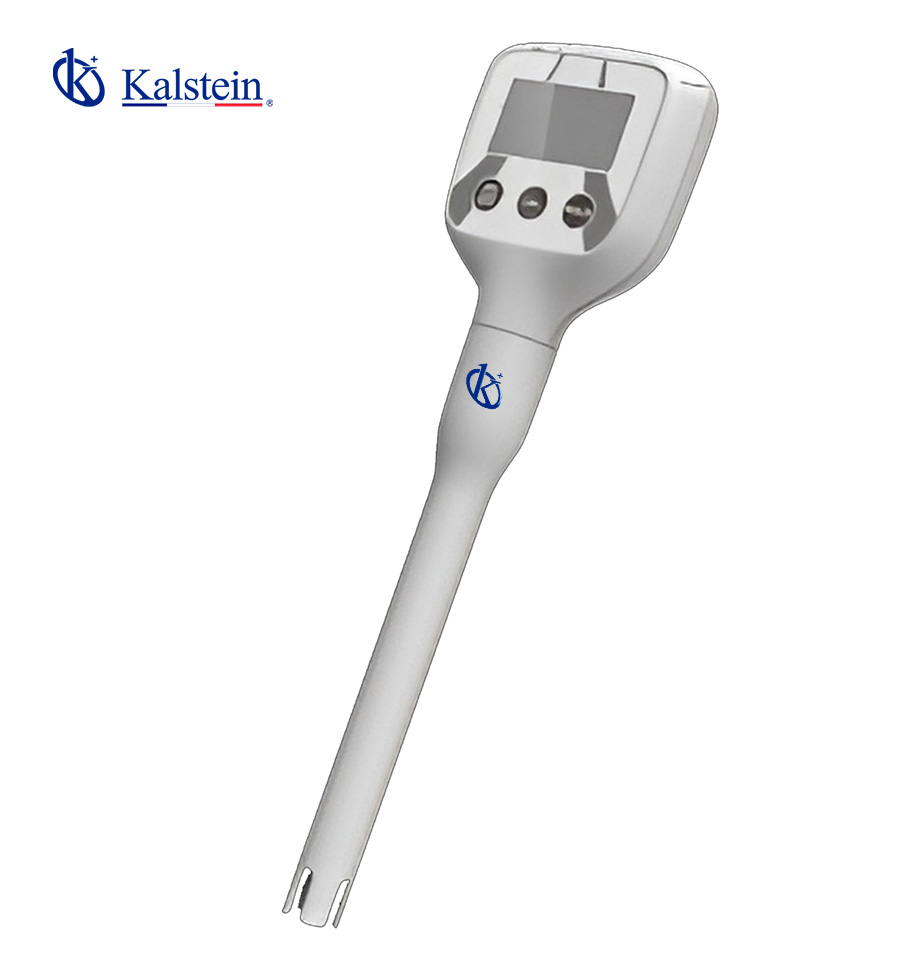
Predictive Maintenance and Recommended Calibration for Portable Conductivity Meters
Portable conductivity meters are crucial instruments in laboratories and various industrial applications for assessing the conductivity of liquids. These devices require regular calibration and maintenance to ensure accuracy and reliability. This article delves into the significance of predictive maintenance and periodic calibration, comparing various models in the portable conductivity meter subcategory.
Understanding Predictive Maintenance in Conductivity Measurement
Predictive maintenance is a proactive approach to maintenance that focuses on predicting when equipment will fail so that maintenance can be performed just in time to prevent the failure. In the context of portable conductivity meters, this approach can significantly enhance the accuracy and longevity of the devices. By utilizing predictive analytics, laboratories can monitor the performance of conductivity meters and schedule maintenance before issues arise, ensuring consistent measurement accuracy.
Key Calibration Practices for Portable Conductivity Meters
Calibration is essential for ensuring that portable conductivity meters provide accurate readings. The recommended calibration frequency can vary depending on the model and usage conditions. Most portable conductivity meters, like the YR01805 and YR01806, offer automatic calibration features that simplify the process. Regular calibration typically involves setting the device to known standards, such as using 1413 µS/cm solutions for a single point calibration.
Comparison of Available Models
| Model | Measurement Range | Calibration Method | Best For |
|---|---|---|---|
| YR01805 | 0~10 mS/cm | 1 Point Calibration | Field Use |
| YR01806 | Multiple Ranges | 1, 2, 3 Point Calibration | Laboratory and Field |
| YR01808 | 0~20 mS/cm | 1 to 3 Points | Versatile Applications |
| YR01809 | 0~20 mS/cm | 1 to 3 Points | Multi-parameter Measurement |
| YR01810 | 0~20 mS/cm | 1 to 3 Points | Salinity Measurement |
| YR01811 | 0.5 to 100.0 ppm | 1 Point Calibration | Low Concentration Liquids |
Common Mistakes and How to Avoid Them
One common mistake when using portable conductivity meters is neglecting regular calibration, which can lead to inaccurate readings. Users should develop a calibration schedule based on the frequency of use and the environment in which the meter is used. Additionally, failing to properly maintain the electrodes can adversely affect conductivity measurements. Always ensure that the electrodes are clean and functional to provide reliable data.
Failure Modes in Portable Conductivity Meters
Understanding potential failure modes is critical for effective predictive maintenance of portable conductivity meters. Common issues include electrode degradation, battery failure, and software glitches. For example, the YR01806, known for its advanced features, may still face issues if the data storage becomes full or if it encounters a calibration error. Regular checks can mitigate these risks.
Calibration Intervals: Best Practices
Calibration intervals depend on the specific model and usage conditions. For instance, the YR01805, designed for portability, may require calibration every 30 days under frequent use. In contrast, the YR01806, which supports multiple calibration points, may be calibrated quarterly. Users should refer to the manufacturer's guidelines for the recommended calibration frequency for their particular model.
Identifying Key Performance Indicators (KPIs)
Key performance indicators (KPIs) such as Mean Time Between Failures (MTBF) and Mean Time To Repair (MTTR) are vital for evaluating the effectiveness of predictive maintenance strategies. Establishing baseline performance metrics for each model, including the YR01810, allows laboratories to assess maintenance effectiveness and adjust protocols as necessary.
Benefits of Predictive Maintenance for Portable Conductivity Meters
Implementing predictive maintenance for portable conductivity meters can lead to significant benefits, including enhanced accuracy, reduced downtime, and extended equipment lifespan. By adopting a proactive maintenance approach, laboratories can ensure that their measurements remain reliable, ultimately improving the quality of their analysis and reducing operational costs.
Frequently Asked Questions
What is the recommended calibration frequency for portable conductivity meters?
The recommended calibration frequency for portable conductivity meters like the YR01805 is typically every 30 days under frequent use, while models like the YR01806 can be calibrated quarterly depending on usage conditions.
How can predictive maintenance extend the lifespan of conductivity meters?
Predictive maintenance can extend the lifespan of conductivity meters, such as the YR01810, by identifying potential issues before they lead to failure, allowing for timely repairs and minimizing wear and tear on the device.
Which portable conductivity meter is best for field use?
The YR01805 is ideal for field use due to its compact design and automatic calibration features, making it easy to maintain accuracy even in variable environments.
What calibration standards are commonly used for portable conductivity meters?
Common calibration standards for portable conductivity meters include 1413 µS/cm solutions, which are used for single-point calibrations to ensure accuracy across various measurement ranges.
How can I avoid common calibration errors in conductivity measurement?
To avoid calibration errors in conductivity measurement, ensure that the electrodes of the meter, such as those in the YR01806, are clean and well-maintained, and follow the manufacturer's recommended calibration procedures closely.
What role does temperature compensation play in conductivity measurement?
Temperature compensation is crucial in conductivity measurement, as it adjusts the readings based on temperature variations. Most portable conductivity meters, like the YR01809, feature automatic temperature compensation to enhance measurement accuracy.
Which portable conductivity meter is best for low concentration liquids?
The YR01811 is an excellent choice for measuring low concentration liquids, as it is designed specifically for TDS measurement and provides reliable readings with a calibration point for improved accuracy.
How does predictive maintenance reduce operational costs in laboratories?
Predictive maintenance reduces operational costs in laboratories by minimizing downtime and repair costs through timely maintenance actions, ensuring that instruments like the YR01810 remain operational and efficient.
If you are looking for a fusion of innovation and quality, you have come to the right place. At Kalstein, we offer you the luxury of exploring our exclusive catalog of laboratory equipment. We manufacture every device to the highest standards of excellence. Our intuitive and seamless online purchasing channels are designed for your convenience, securing the most competitive prices. Hesitate no longer — we bring science to life, it is time to become part of our community.