How to Implement Predictive Maintenance and Recommended Calibration for Portable pH Meters
Maintaining the accuracy and reliability of portable pH meters is crucial for laboratory professionals. Predictive maintenance and regular calibration are two essential practices that ensure the longevity and precision of these instruments. In this article, we will delve into the best practices for predictive maintenance and the recommended calibration protocols for various models of portable pH meters.
Understanding Predictive Maintenance for Portable pH Meters
Predictive maintenance involves the use of data analytics and monitoring techniques to predict when equipment will fail. For portable pH meters, implementing this strategy can minimize downtime and ensure consistent performance. Analyzing historical performance data, environmental conditions, and usage patterns can help identify potential failure points before they occur.
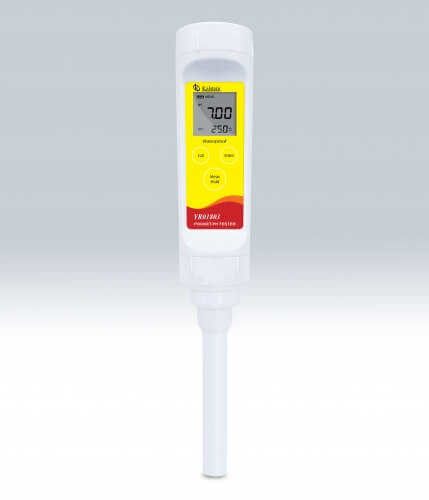
For instance, using models like the Pocket pH Meter YR01803, which features automatic temperature compensation and accurate readings, evaluating its calibration frequency based on usage patterns can help maintain its precision. Selecting a predictive maintenance schedule that aligns with the usage intensity of each model is essential.
Recommended Calibration Intervals for Portable pH Meters
Calibration is vital for ensuring the accuracy of pH measurements. Regular calibration of portable pH meters should be conducted at specific intervals, which can vary based on the model and frequency of use. Typically, calibration should be performed:
- Before initial use
- After significant changes in temperature or environment
- Before and after a critical measurement session
- At least once a month for heavy use models
For example, the Pocket pH Meter YR01804, which allows for manual temperature compensation, should be calibrated regularly to ensure its accuracy, especially when used in fluctuating temperature environments.
Calibration Techniques and Standards for Accuracy
The calibration process for portable pH meters typically involves using standardized buffer solutions. It is recommended to use at least two calibration points to ensure accuracy throughout the pH range being measured. For instance, the Pocket pH Meter YR01802 supports a 1 to 3 point calibration with automatic recognition of standard buffers.
Using NIST or US buffer standards (pH 4.01, 7.00, 10.01) provides a reliable framework for calibration, allowing for consistent and accurate readings across all measurements.
Failure Modes and Predictive Strategies
Understanding potential failure modes of portable pH meters is a key aspect of predictive maintenance. Common issues include electrode wear, contamination, and drift in calibration. Monitoring the performance of models like the Pocket pH Meter YR01800, which features a replaceable electrode, can help identify when maintenance or replacement is necessary.
Predictive strategies such as monitoring pH drift over time or changes in response speed during measurements can provide early warnings of potential failures.
Key Performance Indicators for Monitoring
To effectively implement predictive maintenance, it is crucial to establish key performance indicators (KPIs). Common KPIs for portable pH meters include:
- Mean Time Between Failures (MTBF)
- Mean Time To Repair (MTTR)
- Calibration drift over time
Tracking these metrics can help laboratory professionals make informed decisions about maintenance schedules and replacement needs.
Preparing a Calibration Plan Template
Creating a calibration plan is essential for maintaining the accuracy of portable pH meters. A sample calibration plan might include:
| Frequency | Model | Calibration Points | Notes |
|---|---|---|---|
| Before Use | YR01803 | 1-3 points | Check electrode condition |
| Monthly | YR01804 | 2 points | Monitor for drift |
| Every 3 months | YR01800 | 3 points | Replace electrode if necessary |
Comparison of Available Models
| Model | Calibration Points | Temperature Compensation | Best For |
|---|---|---|---|
| YR01803 | 1-3 points | Automatic | General laboratory use |
| YR01804 | 1-3 points | Manual | Outdoor applications |
| YR01800 | 1-3 points | Automatic | Portable and compact use |
| YR01802 | 1-3 points | Automatic | Semisolid measurements |
Common Mistakes and How to Avoid Them
When maintaining portable pH meters, common mistakes include:
- Neglecting regular calibration
- Using incorrect buffer solutions
- Failing to check electrode condition
- Ignoring environmental factors affecting measurements
To avoid these pitfalls, establish a strict maintenance schedule and provide training for all users on proper procedures.
Frequently Asked Questions
How often should portable pH meters be calibrated for best performance?
Portable pH meters should be calibrated at least once a month for heavy use models like the YR01804, and before initial use to ensure accurate readings.
What is the best calibration protocol for the YR01803 model?
The YR01803 should be calibrated using at least two standard buffer solutions (e.g., pH 4.01 and 7.00) to ensure accuracy across its measurement range.
Which environmental factors affect the calibration of portable pH meters?
Temperature changes and contamination can significantly affect calibration. Models like the YR01802 feature automatic temperature compensation, which helps mitigate these issues.
What are the common failure modes for portable pH meters?
Common failure modes include electrode wear, calibration drift, and contamination. Regular maintenance of models like the YR01800 can help detect these issues early.
How can predictive maintenance improve the accuracy of pH measurements?
Predictive maintenance involves monitoring performance metrics, which can help identify potential failure points. This ensures timely adjustments for models like the YR01804, enhancing measurement accuracy.
What calibration solutions are recommended for portable pH meters?
Using NIST-traceable buffer solutions such as pH 4.01, 7.00, and 10.01 is recommended for accurate calibration of portable pH meters like the YR01803.
How do I select the right portable pH meter for my laboratory?
Consider factors such as calibration options, temperature compensation, and specific applications. The YR01802 is excellent for semisolid measurements, while the YR01804 is ideal for outdoor use.
If you are looking for a fusion of innovation and quality, you have come to the right place. At Kalstein, we offer you the luxury of exploring our exclusive catalog of laboratory equipment. We manufacture every device to the highest standards of excellence. Our intuitive and seamless online purchasing channels are designed for your convenience, securing the most competitive prices. Hesitate no longer — we bring science to life, it is time to become part of our community.