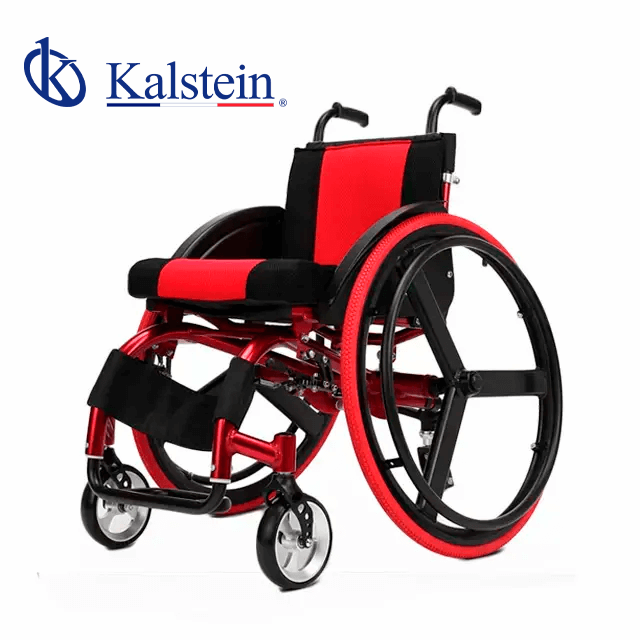
Predictive Maintenance and Recommended Calibration for Sport Wheelchairs
In the world of competitive sports, the performance of athletes is heavily dependent on the equipment they use. For athletes who rely on sport wheelchairs, ensuring optimal functionality is crucial. This makes predictive maintenance and regular calibration of sport wheelchairs a significant factor in enhancing performance, safety, and durability. This article discusses various models of sport wheelchairs while examining the vital role of predictive maintenance and calibration in maintaining their functionality.
Understanding Predictive Maintenance in Sport Wheelchairs
Predictive maintenance refers to the proactive strategies employed to predict equipment failures before they occur. In the context of sport wheelchairs, this involves a systematic approach to monitoring and servicing the wheelchairs to ensure they operate at peak performance. Using data analytics and performance metrics, maintenance can be scheduled based on the actual condition of the wheelchair rather than a fixed schedule.
Regular assessment of components such as the frame, wheels, and braking systems helps in identifying potential issues that could impact performance. Predictive maintenance not only prevents unexpected breakdowns but also extends the lifespan of the wheelchair, ensuring athletes have reliable equipment during critical competitions.
Importance of Regular Calibration for Sport Wheelchairs
Calibration is the process of adjusting and verifying the performance of equipment to ensure it meets specified standards. For sport wheelchairs, calibration plays a crucial role in ensuring that all components, especially the seating and wheel configurations, are optimized for the athlete's unique requirements.
Regular calibration helps maintain the precision of handling and maneuverability of the wheelchair, which are essential features for athletes engaged in high-speed competition. Properly calibrated wheelchairs enhance safety and contribute to improving athletes' overall performance.
Comparison of Available Models
| Model | Weight (kg) | Seat Width (cm) | Seat Depth (cm) | Price (USD) | Best for |
|---|---|---|---|---|---|
| YR05461 | 14.5 | 38 | 38 | 413.00 | General sports activities |
| YR05462 | 11.6 | 36 | 48 | 445.00 | Compact travel and easy storage |
| YR05463 | 12 | 36-42 | 38 | 615.00 | Durability and high-performance sports |
Common Mistakes and How to Avoid Them
When it comes to the maintenance and calibration of sport wheelchairs, several common mistakes can lead to equipment failure or suboptimal performance. Here are some key errors to avoid:
- Neglecting Regular Inspections: Athletes should schedule regular inspections to identify wear and tear.
- Ignoring Manufacturer Guidelines: Following the manufacturer’s maintenance and calibration recommendations is crucial.
- Postponing Repairs: Addressing minor issues promptly can prevent more significant problems later.
Best Practices for Predictive Maintenance
Implementing effective predictive maintenance strategies involves several best practices that enhance the reliability of sport wheelchairs:
- Data Monitoring: Utilize monitoring tools to track wear patterns and performance indicators.
- Scheduled Maintenance: Establish a routine based on usage rather than arbitrary time intervals.
- Training for Users: Ensure athletes and coaches are trained to identify issues early.
Calibration Techniques for Optimal Performance
Calibrating sport wheelchairs involves several techniques that ensure they meet performance standards:
- Frame Alignment: Regularly check the frame for proper alignment to maintain stability.
- Wheel Configuration: Adjust wheels based on track style and athlete preference.
- Brake Testing: Regularly test brakes for responsiveness to ensure safety during use.
Frequently Asked Questions
How can predictive maintenance improve the performance of sport wheelchairs?
Predictive maintenance improves the performance of sport wheelchairs, such as the YR05461 model, by anticipating potential failures through data-driven insights. This systematic approach helps in scheduling timely repairs, which not only enhances performance but also ensures athlete safety during competitions.
What are the recommended calibration intervals for sport wheelchairs?
Recommended calibration intervals for sport wheelchairs, like the YR05462, vary based on usage intensity. Regular calibration every 3 to 6 months is advised to ensure optimal handling and safety for athletes, especially before key competitions.
How does the weight of a sport wheelchair affect its performance?
The weight of a sport wheelchair, such as the YR05463 at 12 kg, significantly affects an athlete's speed and maneuverability. Lighter models allow for better acceleration and agility, which are critical in competitive sports settings.
What maintenance practices should be adopted for long-lasting sport wheelchairs?
Adopting regular maintenance practices, including inspections and timely repairs, can significantly enhance the lifespan of sport wheelchairs. Models like the YR05461 benefit from these practices, ensuring they remain functional and reliable over time.
What should athletes look for in a sport wheelchair for competitive sports?
Athletes should look for durability, weight, and comfort features in a sport wheelchair. Models like YR05462 offer ease of folding for transport, while ensuring stability and responsiveness during competitive activities.
How do I determine if my sport wheelchair needs calibration?
Signs that a sport wheelchair, such as the YR05463, needs calibration include difficulty in handling, unusual noises during use, and inconsistencies in performance. Regular checks and awareness of these signs are crucial for ensuring optimal functionality.
What is the impact of regular calibration on an athlete's performance?
Regular calibration of sport wheelchairs directly impacts an athlete's performance by ensuring precision and comfort. Models like YR05461 are designed to maintain optimal configurations, enhancing speed and maneuverability during competitions.
How can predictive maintenance save costs in wheelchair sports equipment?
Predictive maintenance can save costs for sports equipment, such as the YR05462 wheelchair, by preventing costly repairs and extending the lifespan of the equipment. By addressing issues early, athletes can avoid unexpected breakdowns that can be expensive and disruptive.
If you are looking for a fusion of innovation and quality, you have come to the right place. At Kalstein, we offer you the luxury of exploring our exclusive catalog of laboratory equipment. We manufacture every device to the highest standards of excellence. Our intuitive and seamless online purchasing channels are designed for your convenience, securing the most competitive prices. Hesitate no longer — we bring science to life, it is time to become part of our community.