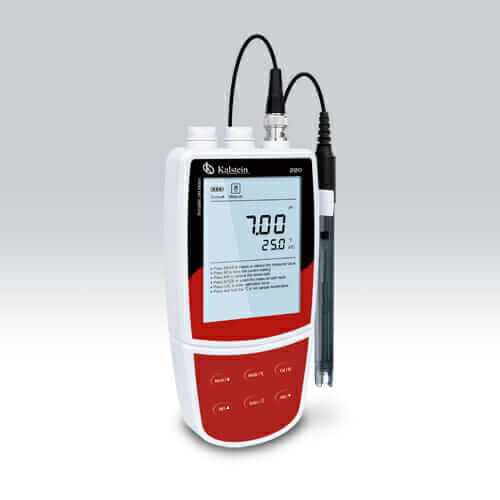
Understanding Predictive Maintenance and Recommended Calibration for Table pH Meters
Table pH meters are essential instruments in various laboratory settings, providing crucial data for scientific research and quality control. However, to ensure their optimal performance, implementing predictive maintenance strategies and adhering to recommended calibration protocols are vital. This article delves into how these practices can enhance the accuracy, reliability, and longevity of table pH meters.
Importance of Predictive Maintenance for Table pH Meters
Predictive maintenance involves monitoring equipment condition to predict potential failures before they occur. For table pH meters, this means regularly assessing the components and performance to identify any signs of degradation. By adopting predictive maintenance, laboratories can minimize downtime and avoid the costs associated with unexpected equipment failure.
Some effective predictive maintenance strategies for table pH meters include:
- Regular Performance Assessments: Conduct routine checks on calibration accuracy and drift to ensure readings remain within acceptable limits.
- Monitoring Environmental Conditions: Evaluate the laboratory environment for factors such as temperature and humidity, which may affect pH measurements.
- Scheduled Maintenance: Implement a schedule for routine maintenance tasks, such as cleaning the electrodes and updating software, to keep instruments functioning optimally.
Recommended Calibration Practices
Calibration is a critical procedure for maintaining the accuracy of table pH meters. Depending on the model, calibration can be performed using one to five buffer solutions. Here are some best practices for effective calibration:
- Calibration Frequency: It is recommended to calibrate table pH meters at least once a month or more frequently based on usage and environmental conditions.
- Use Certified Buffers: Always use certified buffer solutions for calibration to ensure accuracy. Models like the YR0220A and YR01822 support automatic recognition of buffer solutions, simplifying this process.
- Document Calibration Results: Maintain records of calibration dates, buffer solutions used, and performance results to track trends over time and ensure compliance with standards.
Comparison of Available Models
| Model | pH Range | Calibration Points | Display Type | Price (USD) |
|---|---|---|---|---|
| YR0220A | -2.00 to 20.00 pH | 1 to 5 | LCD | 155.00 |
| YR01822 | -2.00 to 20.00 pH | 1 to 3 | LED | 215.00 |
| YR01825 | -2.00 to 20.00 pH | 1 to 3 | 7" Touchscreen | 335.00 |
| YR01823-2 | -2.00 to 20.00 pH | 1 to 5 | LCD | 315.00 |
| YR01823 | -2.00 to 20.00 pH | 1 to 3 | 7" Touchscreen | 285.00 |
| YR01826 | -2.00 to 19.99 pH | 1 to 3 | LCD | 199.00 |
Common Mistakes and How to Avoid Them
When it comes to maintaining table pH meters, several common mistakes can lead to inaccurate readings and compliance issues. To avoid these pitfalls:
- Neglecting Calibration: Failing to regularize calibration can cause significant errors in measurements. Set reminders for calibration schedules based on usage frequency.
- Ignoring Manufacturer Guidelines: Each model has specific requirements, as outlined in the user manual. For instance, the YR01825 requires data storage management to ensure accuracy.
- Overlooking Environmental Factors: Ensure that the lab environment remains stable and suitable for pH testing, as fluctuations can impact readings.
Factors Influencing Calibration Intervals
The frequency of calibration for table pH meters can vary based on several factors:
- Usage Frequency: The more frequently a pH meter is used, the more often it should be calibrated. Regular use increases the likelihood of electrode drift.
- Sample Composition: Different substances can affect electrode performance. Frequent calibration is advisable when testing corrosive or viscous samples.
- Environmental Conditions: High humidity or temperature fluctuations can necessitate more frequent calibrations.
Common Calibration Techniques
Calibration techniques for table pH meters include:
- One-Point Calibration: Suitable for quick checks or stable environments; use a single buffer solution.
- Two-Point Calibration: Ideal for ensuring accuracy across a broader range; involves two buffer solutions.
- Multi-Point Calibration: Necessary for more precise applications; utilizes multiple buffer solutions to compensate for potential drifts across the entire measurement range.
Monitoring and Maintenance of pH Electrodes
Electrodes require specific attention to ensure longevity and stability in readings. Key practices include:
- Storage Conditions: Store electrodes in appropriate solutions to prevent drying out, which can lead to damage. Models like the YR0220A have automatic diagnostics for electrode status.
- Cleaning: Regularly clean electrodes to remove contaminants that can hinder accurate measurements.
- Periodic Testing: Conduct tests to assess electrode performance, replacing them when they show signs of wear or damage.
Frequently Asked Questions
How often should I calibrate a table pH meter for accurate readings?
It is recommended to calibrate a table pH meter at least once a month or more frequently if used regularly. For example, the YR0220A should be calibrated using certified buffer solutions to maintain accuracy.
What are the best calibration practices for table pH meters?
The best practices include using certified buffer solutions, documenting calibration results, and calibrating regularly based on usage. For instance, the YR01822 supports automatic calibration for user convenience.
How can predictive maintenance help extend the life of table pH meters?
Predictive maintenance helps identify potential issues before they lead to failure. By regularly monitoring the performance of models like YR01826, labs can schedule maintenance proactively and avoid costly downtime.
Which table pH meter is best for rigorous laboratory use?
The YR01825 features advanced functions such as automatic calibration and data storage, making it ideal for rigorous laboratory environments where precision is crucial.
Can I use homemade buffer solutions for calibrating table pH meters?
While it’s best to use certified buffer solutions, homemade buffers can be used provided they are accurately prepared and verified. However, utilizing models like YR0220A ensures optimal performance through automated recognition of certified buffers.
What maintenance routine should I follow for my table pH meter?
A maintenance routine should include regular cleaning, periodic calibration, and performance checks. For the YR01823 model, following the manufacturer’s guidelines will ensure reliable operations.
How do environmental factors affect the calibration of table pH meters?
Environmental factors such as humidity and temperature can alter electrode performance. Regular checks and calibrations, particularly for models like the YR01822, can help mitigate these effects.
What is the significance of using certified calibration buffers?
Certified calibration buffers ensure accuracy and reliability of measurements. Models like YR01825 provide automatic recognition of these buffers, simplifying the calibration process.
If you are looking for a fusion of innovation and quality, you have come to the right place. At Kalstein, we offer you the luxury of exploring our exclusive catalog of laboratory equipment. We manufacture every device to the highest standards of excellence. Our intuitive and seamless online purchasing channels are designed for your convenience, securing the most competitive prices. Hesitate no longer — we bring science to life, it is time to become part of our community.