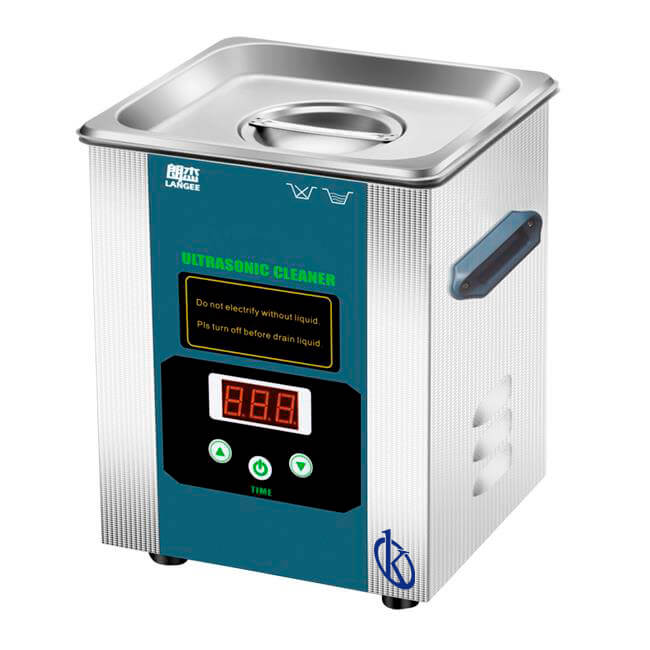
Predictive Maintenance and Recommended Calibration for Mechanical Desktop Ultrasonic Cleaners
Ultrasonic cleaners are essential tools in laboratories, known for their ability to clean delicate items through cavitation in a liquid medium. However, to ensure optimal performance, these devices require a rigorous maintenance schedule and periodic calibration. This article will delve into the significance of predictive maintenance and calibration, focusing on various models of mechanical desktop ultrasonic cleaners, their specifications, and best practices for maintaining them effectively.
The Importance of Predictive Maintenance
Predictive maintenance involves monitoring the condition of equipment to predict when maintenance should be performed. This approach is particularly beneficial for mechanical desktop ultrasonic cleaners, as it helps prevent unexpected breakdowns and ensures consistent cleaning results. By implementing predictive maintenance strategies, laboratories can reduce downtime and extend the lifespan of their equipment.
For ultrasonic cleaners, predictive maintenance can be conducted by monitoring factors such as the cleanliness of the solution, frequency of usage, and ultrasonic power levels. Utilizing data from these parameters allows laboratory managers to schedule maintenance before failures occur, thus optimizing both performance and cost-effectiveness.
Recommended Calibration Practices
Calibration is crucial for ensuring that ultrasonic cleaners operate within specified parameters. Regular calibration helps maintain the efficacy of the cleaning process and ensures compliance with industry standards. The calibration process typically involves adjusting the ultrasonic frequency, verifying power output, and assessing the cavitation effect in the cleaning solution.
Different models may have specific calibration requirements based on their design and technology. For instance, models like the YR05202 and YR05206 feature multiple frequencies, and their calibration must consider the frequency selection that best suits the items being cleaned. It is recommended to establish a calibration schedule that aligns with the usage frequency and type of applications.
Comparison of Available Models
| Model | Capacity (L) | Power (W) | Frequency (kHz) | Price (USD) |
|---|---|---|---|---|
| YR05207 | 1.3 | 70 | 40 | 43.00 |
| YR05202 | 11 | 240 | 40/80/120 | 540.00 |
| YR05203 | 15 | 360 | 40/80/120 | 640.00 |
| YR05204 | 20 | 360 | 40/80/120 | 680.00 |
| YR05205 | 22 | 480 | 40/80/120 | 760.00 |
| YR05206 | 30 | 600 | 40/80/120 | 810.00 |
Common Mistakes and How to Avoid Them
One common mistake in the maintenance of mechanical desktop ultrasonic cleaners is neglecting to monitor the cleaning solution's condition. Regularly checking the solution for contamination can help ensure effective cleaning. Another mistake is failing to adhere to the recommended calibration intervals; this can result in decreased cleaning efficiency. Laboratories should develop a checklist for routine maintenance and calibration, ensuring that all steps are followed meticulously to avoid these issues.
Understanding Cavitation and Its Role
Cavitation is the formation and collapse of bubbles in a liquid, which is essential to the cleaning process in ultrasonic cleaners. The effectiveness of cavitation can be influenced by factors such as frequency, temperature, and the nature of the cleaning solution. For example, the YR05202 model, with its variable frequencies, allows users to tailor cleaning processes based on the specific application, ensuring optimal cavitation effects.
Developing a Calibration Schedule
Establishing a calibration schedule for ultrasonic cleaners is critical for maintaining their functionality and compliance. A good calibration plan involves assessing the usage frequency and setting intervals that reflect the operational load. For instance, a laboratory using the YR05203 frequently may require quarterly calibrations, while one using the YR05207 less often might schedule them biannually. Documenting these schedules helps track compliance and accountability.
Data Logging and Performance Tracking
Implementing data logging for ultrasonic cleaners can enhance predictive maintenance efforts. By keeping records of operation times, cleaning cycles, and maintenance actions, labs can identify trends and anomalies in performance. This data-driven approach helps in making informed decisions on when to perform maintenance or calibration, ultimately improving the longevity and reliability of the equipment.
Frequently Asked Questions
How often should mechanical desktop ultrasonic cleaners be calibrated for best results?
Calibration frequency for mechanical desktop ultrasonic cleaners like the YR05202 should ideally be established based on usage. Regular calibration every three to six months is recommended to maintain optimal performance and compliance with standards.
What are the key benefits of predictive maintenance for ultrasonic cleaners?
Predictive maintenance for ultrasonic cleaners, such as the YR05206, helps in anticipating failures, reducing downtime, and ensuring consistent cleaning quality. This proactive approach ultimately saves costs associated with repairs and replacements.
Which ultrasonic cleaner model offers the best power-to-capacity ratio?
The YR05205 model offers a power output of 480W with a capacity of 22L, providing an excellent power-to-capacity ratio, making it suitable for heavy-duty cleaning applications.
What should be monitored during the maintenance of an ultrasonic cleaner?
During maintenance, it is crucial to monitor the cleaning solution for contamination, check ultrasonic frequency settings, and ensure that the power output is within the specified range for models like the YR05203.
Which ultrasonic cleaner is best for jewelry cleaning applications?
The YR05207 model, with its 1.3L capacity and 40kHz frequency, is specifically designed for delicate items such as jewelry, offering effective cleaning without damaging surfaces.
How can laboratories ensure compliance with calibration standards?
To ensure compliance, laboratories should develop a calibration schedule, document all procedures, and use traceable standards for models like YR05202. Regular audits can further assess compliance with relevant calibration standards.
What is the impact of cavitation on the cleaning process of ultrasonic cleaners?
Cavitation plays a vital role in the cleaning efficiency of ultrasonic cleaners. The effectiveness of cavitation can vary with frequency settings, making models like YR05206 with adjustable frequencies ideal for different cleaning needs.
How can data logging improve the maintenance of ultrasonic cleaners?
Data logging allows for tracking performance and operational trends in ultrasonic cleaners. By analyzing this data, laboratories can schedule maintenance and calibration more effectively, ensuring optimal operation of models like the YR05204.
If you are looking for a fusion of innovation and quality, you have come to the right place. At Kalstein, we offer you the luxury of exploring our exclusive catalog of laboratory equipment. We manufacture every device to the highest standards of excellence. Our intuitive and seamless online purchasing channels are designed for your convenience, securing the most competitive prices. Hesitate no longer — we bring science to life, it is time to become part of our community.