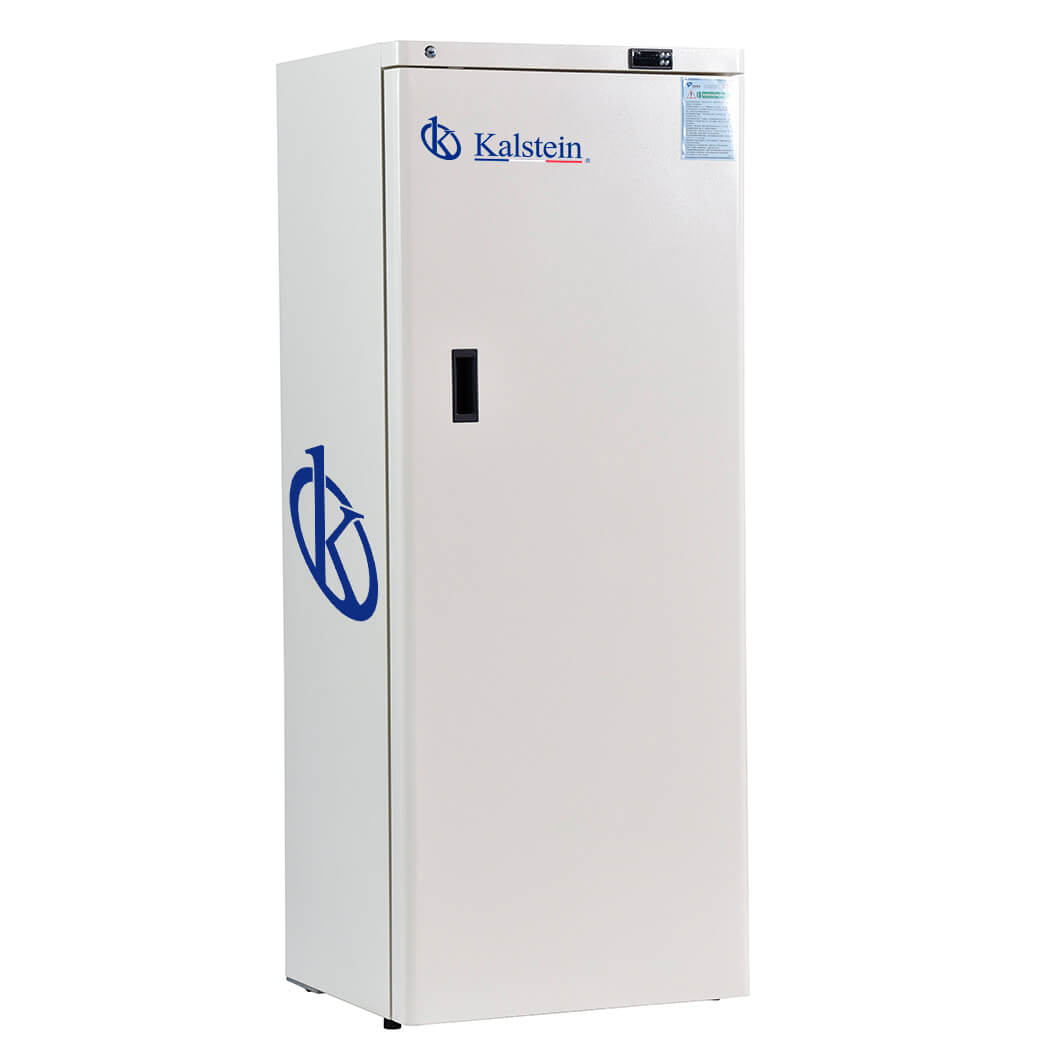
How to Ensure Predictive Maintenance and Recommended Calibration for Upright Freezers
In laboratory settings, the reliability of equipment such as upright freezers is critical for maintaining the integrity of stored biological samples. Predictive maintenance and regular calibration are essential practices to ensure these freezers function optimally, safeguarding valuable materials. This article explores the importance of these practices, compares various upright freezer models, and offers insights into best practices for calibration and maintenance, tailored for laboratory professionals.
Understanding Predictive Maintenance for Upright Freezers
Predictive maintenance is a proactive approach that utilizes data analysis and monitoring to predict equipment failures before they occur. For upright freezers, this involves assessing factors such as temperature fluctuations, compressor performance, and alarm systems. By implementing predictive maintenance, laboratories can reduce the risk of equipment failure, minimize downtime, and extend the lifespan of the freezer.
Importance of Regular Calibration
Calibration is the process of configuring an instrument to provide a result for a sample within an acceptable range. For upright freezers, regular calibration is essential for ensuring that temperature settings are accurate and stable. This process helps in maintaining compliance with regulatory standards, which is critical for laboratories handling sensitive biological materials.
Predictive Maintenance Strategies for Upright Freezers
Effective predictive maintenance strategies for upright freezers include:
- Regular Performance Monitoring: Employ temperature monitoring systems to continuously track the performance of the freezer.
- Scheduled Maintenance Checks: Perform routine checks based on usage frequency and environmental conditions.
- Alarm System Tests: Regularly test alarm systems to ensure they function correctly during temperature excursions.
- Data Analysis: Utilize software tools to analyze performance data and identify trends that may indicate potential failures.
Calibration Best Practices for Upright Freezers
Calibration of upright freezers should be conducted according to a defined schedule, typically every six to twelve months. Key best practices include:
- Use of Traceable Standards: Ensure calibration instruments are traceable to national or international standards to maintain accuracy.
- Document Calibration Results: Keep detailed records of calibration activities to ensure compliance with standards such as ISO 17025.
- Temperature Mapping: Conduct temperature mapping studies to understand the temperature distribution within the freezer.
- Training Personnel: Ensure that lab personnel are trained in proper calibration procedures and maintenance protocols.
Comparison of Available Models
| Model | Temperature Range (°C) | Capacity (L) | Power Consumption (kWh/24h) | Best For |
|---|---|---|---|---|
| YR05097 | -10 to -25 | 328 | 1.5 | General laboratory use |
| YR05297 | -40 to -86 | 338 | 12.8 | Long-term storage of biological materials |
| YR05296 | -40 to -86 | 340 | 11.2 | Hospitals and research institutes |
| YR05295 | -10 to -25 | 936 | 7.5 | Large sample storage |
| YR05294 | -10 to -25 | 328 | 1.5 | Vaccine and plasma storage |
| YR05293 | -10 to -25 | 268 | 1.5 | General laboratory use |
Common Mistakes and How to Avoid Them
In managing upright freezers, laboratories often encounter common pitfalls that can compromise sample integrity:
- Infrequent Maintenance: Neglecting regular maintenance can lead to unexpected failures. Establish a maintenance schedule that aligns with usage.
- Poor Calibration Practices: Inadequate calibration can cause temperature discrepancies. Always use traceable standards and document results.
- Ignoring Alarm Systems: Failing to test alarms regularly can result in undetected temperature excursions. Perform tests monthly.
- Overloading Freezers: Exceeding recommended capacity can affect cooling efficiency. Adhere to manufacturer guidelines for load limits.
Frequently Asked Questions
What are the recommended calibration intervals for upright freezers in laboratories?
Calibration for upright freezers, such as model YR05097, is typically recommended every six to twelve months. Regular calibration ensures accuracy in temperature settings, crucial for preserving biological samples.
How can predictive maintenance extend the lifespan of an upright freezer?
Implementing predictive maintenance strategies, including regular performance monitoring and data analysis, can significantly extend the lifespan of upright freezers like the YR05297. This proactive approach helps prevent unexpected failures and equipment downtime.
What temperature range is ideal for storing vaccines in upright freezers?
The ideal temperature range for vaccine storage in upright freezers like the YR05294 is typically between -10°C and -25°C. This ensures the integrity and efficacy of the vaccines during storage.
How do alarm systems contribute to the safety of upright freezers?
Alarm systems are crucial for alerting users to temperature excursions in upright freezers such as the YR05295. Regular testing of these alarms can prevent loss of critical samples by ensuring timely response to potential issues.
What are the most common failures in upright freezers?
Common failures in upright freezers include compressor malfunctions and temperature sensor failures. Implementing predictive maintenance practices can mitigate the risk of these issues impacting models like the YR05296.
Which model is best suited for long-term storage of biological samples?
The YR05297, with a temperature range of -40 to -86°C, is ideal for long-term storage of biological samples, including viruses and bacteria, ensuring their integrity over extended periods.
How can I ensure compliance with laboratory standards when using upright freezers?
To ensure compliance with standards like ISO 17025, labs should regularly calibrate upright freezers such as the YR05293 and maintain thorough documentation of calibration activities and maintenance checks.
What role does temperature mapping play in the calibration of upright freezers?
Temperature mapping is essential for understanding the temperature distribution within upright freezers like the YR05294. It helps identify potential cold spots and ensures proper calibration across different areas of the freezer.
If you are looking for a fusion of innovation and quality, you have come to the right place. At Kalstein, we offer you the luxury of exploring our exclusive catalog of laboratory equipment. We manufacture every device to the highest standards of excellence. Our intuitive and seamless online purchasing channels are designed for your convenience, securing the most competitive prices. Hesitate no longer — we bring science to life, it is time to become part of our community.