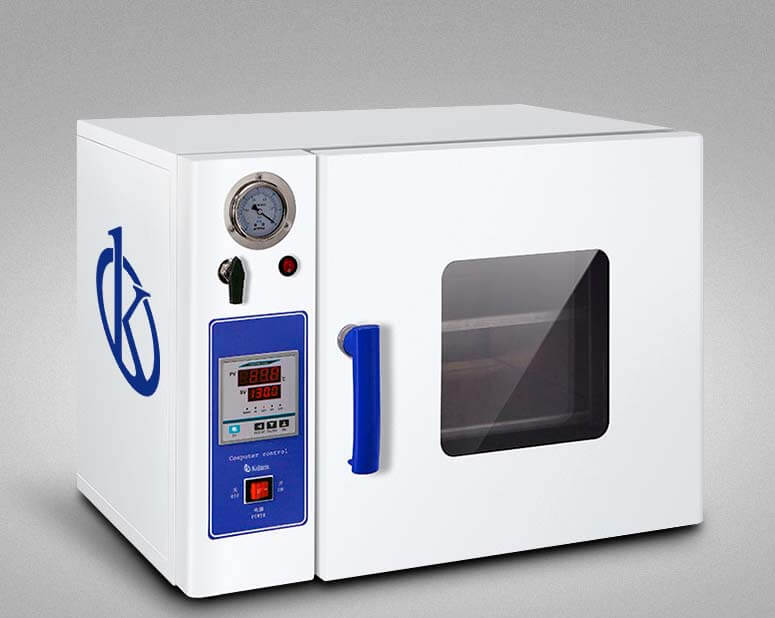
Predictive Maintenance and Recommended Calibration for Vacuum Ovens
In the realm of laboratory equipment, vacuum ovens play a pivotal role in various applications such as drying, sterilization, and sample preparation. These ovens require robust maintenance strategies to ensure consistent performance and compliance with industry standards. This article delves into predictive maintenance and the recommended calibration practices specifically for vacuum ovens, aiming to help laboratory professionals enhance their operational efficiency.
Understanding Predictive Maintenance
Predictive maintenance is a proactive approach focused on predicting equipment failures before they occur, allowing for timely interventions that minimize downtime and extend the lifespan of the equipment. In the case of vacuum ovens, this strategy may involve monitoring key performance indicators (KPIs) such as temperature stability, vacuum integrity, and component wear to identify potential issues.
By utilizing predictive maintenance, laboratories can shift from reactive to proactive management of their equipment, leading to significant cost savings and improved laboratory workflow. The implementation of condition monitoring tools and data analytics can facilitate this strategy.
Calibration: The Backbone of Consistent Results
Calibration is essential for ensuring the accuracy and reliability of vacuum ovens. Regular calibration checks against traceable standards verify that the equipment meets specified performance criteria. For vacuum ovens, calibration primarily involves temperature accuracy and vacuum level verification.
The recommended calibration intervals can vary, but generally, it is advisable to calibrate vacuum ovens at least once a year or after any major maintenance work. This not only ensures compliance with industry standards but also guarantees the quality of results obtained from these critical laboratory devices.
Key Features of Vacuum Ovens
To effectively implement predictive maintenance and calibration schedules, understanding the features and specifications of different vacuum ovens is essential. Below is an overview of the models being discussed in this article:
| Model | Best Application | Voltage (V) | Temperature Range (°C) | Vacuum Level | Interior Size (mm) | Price (USD) |
|---|---|---|---|---|---|---|
| YR05260-A | General drying tasks | 220 | RT + 5 ~ 250 | < 133 | 28x30x30 | 330.00 |
| YR05261-A | Sensitive materials drying | 220 | RT + 5 ~ 250 | < 133 | 40x41.5x35 | 460.00 |
| YR05262-SS | Heat-sensitive samples | 220 | RT + 5 ~ 250 | < 133 | 28x30x30 | 400.00 |
| YR05263-SS | Complex mechanical components | 220 | RT + 5 ~ 250 | < 133 | 40x41.5x35 | 590.00 |
| YR05264-A | Rapid efficient drying | 220 | RT + 5 ~ 250 | < 133 | 44x48.5x42.5 | 690.00 |
| YR05265-SS | Advanced drying protocols | 220 | RT + 5 ~ 250 | < 133 | 44x48.5x42.5 | 845.00 |
Comparison of Available Models
| Model | Calibration Interval (months) | Recommended Usage | Predictive Maintenance Features | Best for |
|---|---|---|---|---|
| YR05260-A | 12 | General laboratory use | Temperature logging | Basic applications |
| YR05261-A | 12 | Sensitive samples | Integrated vacuum monitoring | Heat-sensitive materials |
| YR05262-SS | 12 | General applications | Historical performance data | Standard laboratory tasks |
| YR05263-SS | 6 | Complex materials | Time-to-failure prediction | Mechanical components |
| YR05264-A | 12 | Advanced drying | Calibration traceability | Research applications |
| YR05265-SS | 6 | High-demand settings | Remote diagnostics | Laboratory optimization |
Common Mistakes and How to Avoid Them
Ensuring the optimal performance of vacuum ovens requires awareness of common pitfalls. One frequent mistake is neglecting regular calibration and maintenance. This oversight can lead to inaccuracies in temperature and vacuum levels, ultimately compromising experimental results. To avoid this, laboratories should establish strict schedules for calibration and utilize predictive maintenance strategies to stay ahead of potential issues.
Another common error is failing to consider the specific application requirements when selecting a vacuum oven model. Each model, such as the YR05261-A, is tailored for particular uses. Understanding these applications can prevent costly equipment mismatches.
Frequently Asked Questions
How does predictive maintenance enhance the performance of vacuum ovens?
Predictive maintenance improves vacuum ovens like the YR05260-A by foreseeing possible equipment failures, allowing timely interventions that prevent downtime. Monitoring tools track key performance indicators, ensuring reliability and optimal functioning.
What calibration frequency is recommended for vacuum ovens in compliance with ISO standards?
For vacuum ovens such as the YR05263-SS, a calibration frequency of every 12 months is recommended to comply with ISO standards, ensuring that the equipment operates effectively and provides reliable results.
Which vacuum oven model is best for heat-sensitive materials in a laboratory setting?
The YR05261-A is particularly well-suited for drying heat-sensitive materials due to its advanced temperature control features, ensuring consistent and reliable results in laboratory applications.
How can I implement a predictive maintenance strategy for my laboratory’s vacuum ovens?
Implementing predictive maintenance for vacuum ovens, like the YR05262-SS, involves using condition monitoring tools to assess performance, predict failures, and schedule maintenance before issues arise, thereby enhancing operational efficiency.
What is the ideal temperature calibration range for vacuum ovens?
The ideal calibration range for vacuum ovens is typically RT + 5 to 250 °C, as observed in models like the YR05260-A. This ensures that the ovens are capable of handling a variety of laboratory drying tasks effectively.
How does vacuum integrity affect the performance of a vacuum oven?
Vacuum integrity is crucial for effective moisture removal in ovens like the YR05264-A. Poor vacuum conditions can lead to inconsistent drying results, thus impacting the quality of laboratory experiments.
What are the cost implications of not calibrating vacuum ovens regularly?
Failure to calibrate vacuum ovens, such as the YR05265-SS, can result in inaccurate readings, leading to product loss and rework costs that can escalate quickly, emphasizing the importance of regular calibration.
How can I optimize the maintenance schedule for my laboratory’s vacuum ovens?
Optimizing the maintenance schedule for vacuum ovens involves setting regular calibration intervals, utilizing predictive maintenance techniques, and ensuring that the specific needs of models like the YR05263-SS are met for optimal performance.
If you are looking for a fusion of innovation and quality, you have come to the right place. At Kalstein, we offer you the luxury of exploring our exclusive catalog of laboratory equipment. We manufacture every device to the highest standards of excellence. Our intuitive and seamless online purchasing channels are designed for your convenience, securing the most competitive prices. Hesitate no longer — we bring science to life, it is time to become part of our community.