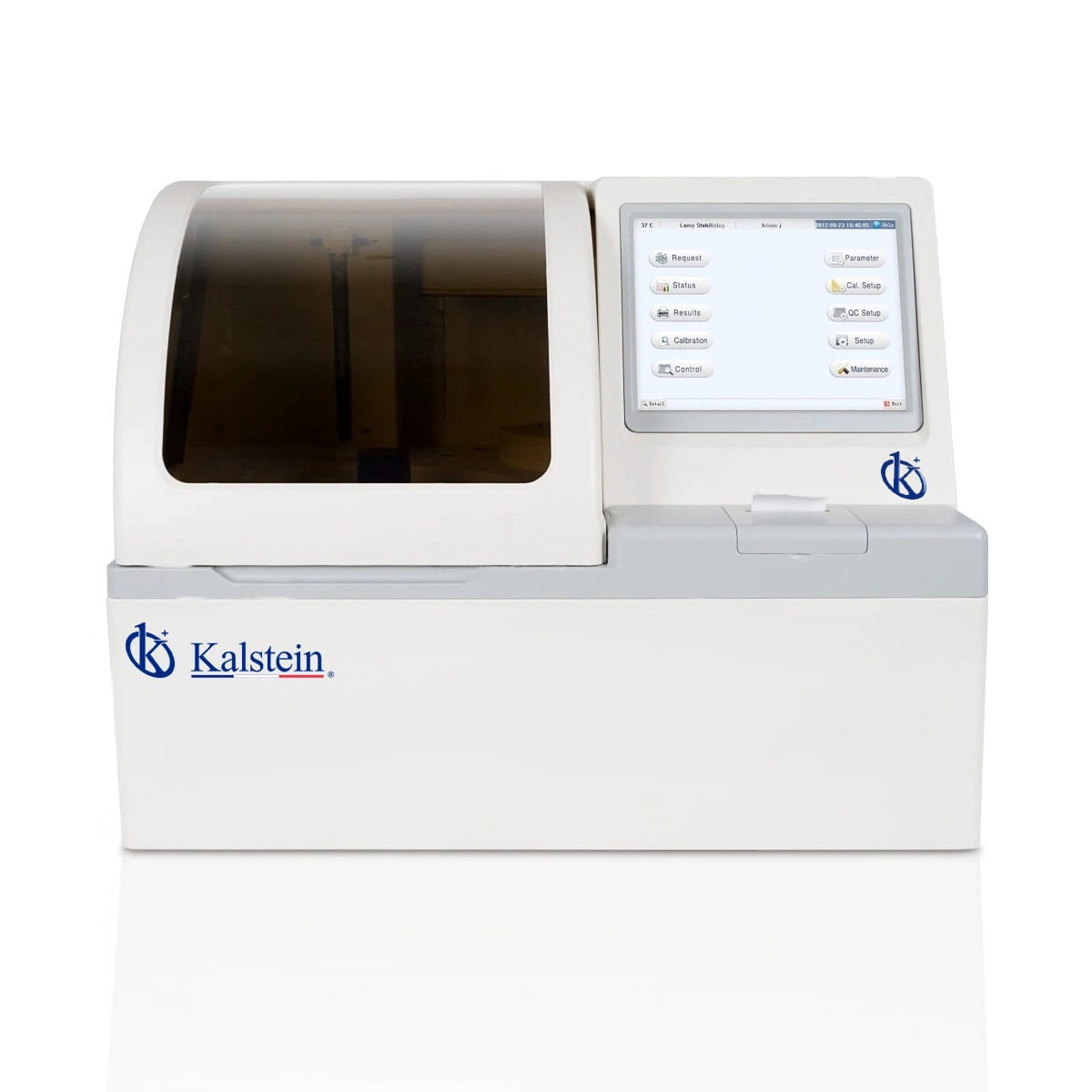
How to Implement Predictive Maintenance and Recommended Calibration for Veterinary Chemistry Analyzers?
The veterinary industry relies heavily on advanced laboratory technologies for accurate diagnostics and effective treatment plans. Among these technologies, veterinary chemistry analyzers play a crucial role in evaluating animal health through chemical analysis of blood and other biological samples. However, to maintain the integrity and accuracy of these analyzers, it is essential to implement predictive maintenance and periodic calibration. This article explores the importance of these practices, focusing on various models available in the market, their specifications, and how to ensure optimal performance in veterinary settings.
Understanding Predictive Maintenance in Veterinary Chemistry Analyzers
Predictive maintenance involves utilizing data-driven techniques to predict when equipment failures might occur. This practice is vital for ensuring that veterinary chemistry analyzers operate at peak performance, thus providing reliable results for clinical decisions. Predictive maintenance not only minimizes downtime but also extends the lifespan of the analyzers, ensuring that investments yield high returns.
Various factors contribute to the performance of veterinary chemistry analyzers, including environmental conditions, usage patterns, and component wear. By monitoring these factors, laboratory professionals can anticipate the need for maintenance before a failure happens. Implementing predictive maintenance techniques is essential for maintaining accuracy in test results, which aids veterinarians in diagnosing and treating animals effectively.
Importance of Periodic Calibration
Calibration is the process of verifying and adjusting the precision of laboratory equipment against established standards. For veterinary chemistry analyzers, periodic calibration is crucial to ensure accuracy in testing. Over time, analyzers can drift from their calibrated state due to wear and environmental factors. Regular calibration checks and adjustments help maintain the quality of test results.
Each type of analyzer has its specific calibration requirements based on the technology utilized and the tests performed. For instance, blood gas analyzers may require more frequent calibration compared to standard chemistry analyzers due to their sensitivity and complexity. Veterinary technicians should establish a calibration schedule according to the manufacturer’s recommendations and the frequency of use to ensure compliance with quality standards.
Key Features of Veterinary Chemistry Analyzers
When selecting a veterinary chemistry analyzer, several key features should be taken into account to align with predictive maintenance and calibration practices:
- Throughput: Higher throughput means more tests can be performed in less time, which is essential for busy veterinary clinics.
- Ease of Calibration: Analyzers that allow for easy calibration adjustments can enhance operational efficiency.
- Data Management: Systems that integrate with data management software facilitate better maintenance tracking and calibration documentation.
- Reliability: Choose models known for their reliability and low maintenance needs to optimize workflow and minimize costs.
Comparison of Available Models
| Model Code | Calibration Features | Predictive Maintenance Capability | Best Use Case |
|---|---|---|---|
| YR06168 | Open reagent system, periodic calibrations recommended | Real-time data monitoring | High-volume labs requiring efficient testing |
| YR06169 | Integrated calibration with touch interface | Portable for field use | Mobile testing in various locations |
| YR06172 | Internal calibration checks, wireless data transmission | Battery-operated, ideal for remote locations | Immunofluorescence testing |
| YR06174 | Auto quality control, calibration alarms | Maintenance warnings through alerts | Emergency care in veterinary hospitals |
| YR06077 | Flexible calibration settings for different tests | Low maintenance design | General chemistry testing across species |
Common Mistakes and How to Avoid Them
In the realm of veterinary chemistry analyzers, several common mistakes can undermine the effectiveness of predictive maintenance and calibration:
- Ignoring Manufacturer Recommendations: Always follow the calibration schedule and procedures outlined by the manufacturer to ensure compliance and accuracy.
- Neglecting Environmental Factors: Ensure that analyzers are located in environments that comply with operational specifications, as temperature and humidity can affect performance.
- Inadequate Training: Ensure that all personnel are adequately trained on the maintenance and calibration procedures specific to the analyzer model being used.
Implementing a Calibration Schedule
Establishing a calibration schedule is crucial for any laboratory using veterinary chemistry analyzers. Below is a suggested calibration frequency based on common practices:
| Analyzer Model | Calibration Frequency | Notes |
|---|---|---|
| YR06168 | Monthly | Perform after every 500 tests |
| YR06169 | Bi-Monthly | Calibrate before major field tests |
| YR06172 | Every 100 tests | For critical results |
| YR06174 | Weekly | For high-volume veterinary hospitals |
| YR06077 | Monthly | General maintenance check |
Advantages of Predictive Maintenance and Calibration
Implementing predictive maintenance and calibration has several advantages for veterinary practices:
- Improved Accuracy: Regular calibration ensures that test results are reliable and accurate, which is critical for animal care decisions.
- Cost Efficiency: By preventing unexpected breakdowns through predictive maintenance, veterinary practices can save on repair costs and operational downtime.
- Enhanced Compliance: Following calibration protocols helps laboratories meet regulatory standards, thereby safeguarding their licenses and reputations.
Frequently Asked Questions
How can I ensure accurate results from my veterinary chemistry analyzer?
To ensure accurate results from your veterinary chemistry analyzer, such as the YR06168, adhere to a strict calibration schedule, ideally every month, and maintain a clean operating environment. Regular checks of calibration settings can prevent drift from the standard, ensuring compliance with testing protocols.
What is the recommended calibration frequency for a veterinary chemistry analyzer?
The recommended calibration frequency for a veterinary chemistry analyzer, like the YR06174, typically varies by model and usage. However, a general guideline is to perform calibration every 500 tests or monthly, whichever comes first, to ensure optimal accuracy in results.
Which veterinary chemistry analyzers are best for mobile testing?
The Portable Veterinary Chemistry Analyzer YR06169 is an excellent choice for mobile testing as it is designed for field use. It requires only 100μL of whole blood to deliver accurate results within approximately 10 minutes, making it highly efficient for on-the-go diagnostics.
How does predictive maintenance benefit veterinary laboratories?
Predictive maintenance benefits veterinary laboratories by reducing unexpected downtimes and maintenance costs. By implementing usage data and performance analytics, as seen in models like the YR06172, labs can anticipate when maintenance is needed, ensuring continuity in service and reliability in testing.
What common mistakes should be avoided when calibrating analyzers?
Common mistakes to avoid during calibration include neglecting the manufacturer guidelines and failing to train personnel adequately on calibration techniques. These oversights can lead to inaccurate results and non-compliance, affecting patient care and laboratory credibility.
How much does it cost to maintain a veterinary chemistry analyzer?
Maintenance costs for a veterinary chemistry analyzer such as the YR06077 can vary based on usage, but estimated costs include calibration materials, reagent expenses, and technician time. It's essential to budget around 5-10% of the initial cost of the equipment annually for maintenance.
What role does calibration play in regulatory compliance for veterinary labs?
Calibration plays a critical role in regulatory compliance for veterinary labs by ensuring that test results are accurate and reliable. Regular calibration checks help labs adhere to ISO/IEC standards, thereby maintaining their license and operational credibility.
How to choose the right veterinary chemistry analyzer for my practice?
Choosing the right veterinary chemistry analyzer, like the YR06174, depends on various factors including throughput needs, ease of calibration, and specific testing requirements. Evaluate your laboratory's workflow, the types of tests performed, and technology integrations to ensure optimal selection.
If you are looking for a fusion of innovation and quality, you have come to the right place. At Kalstein, we offer you the luxury of exploring our exclusive catalog of laboratory equipment. We manufacture every device to the highest standards of excellence. Our intuitive and seamless online purchasing channels are designed for your convenience, securing the most competitive prices. Hesitate no longer — we bring science to life, it is time to become part of our community.