How to Implement Predictive Maintenance and Regular Calibration for Veterinary Operating Lamps
In the field of veterinary medicine, precision and reliability in surgical lighting are critical. The effective use of veterinary operating lamps not only enhances visibility during procedures but also minimizes risks associated with equipment failure. This article delves into the importance of predictive maintenance and regular calibration for veterinary operating lamps, examining its impact on operational efficiency, patient safety, and regulatory compliance.
Importance of Predictive Maintenance in Veterinary Operating Lamps
Predictive maintenance is an approach that utilizes data analytics to foresee potential equipment failures before they occur, allowing for timely interventions. In the context of veterinary operating lamps, this not only prolongs the lifespan of the equipment but also ensures that the lighting remains consistent and reliable during procedures.
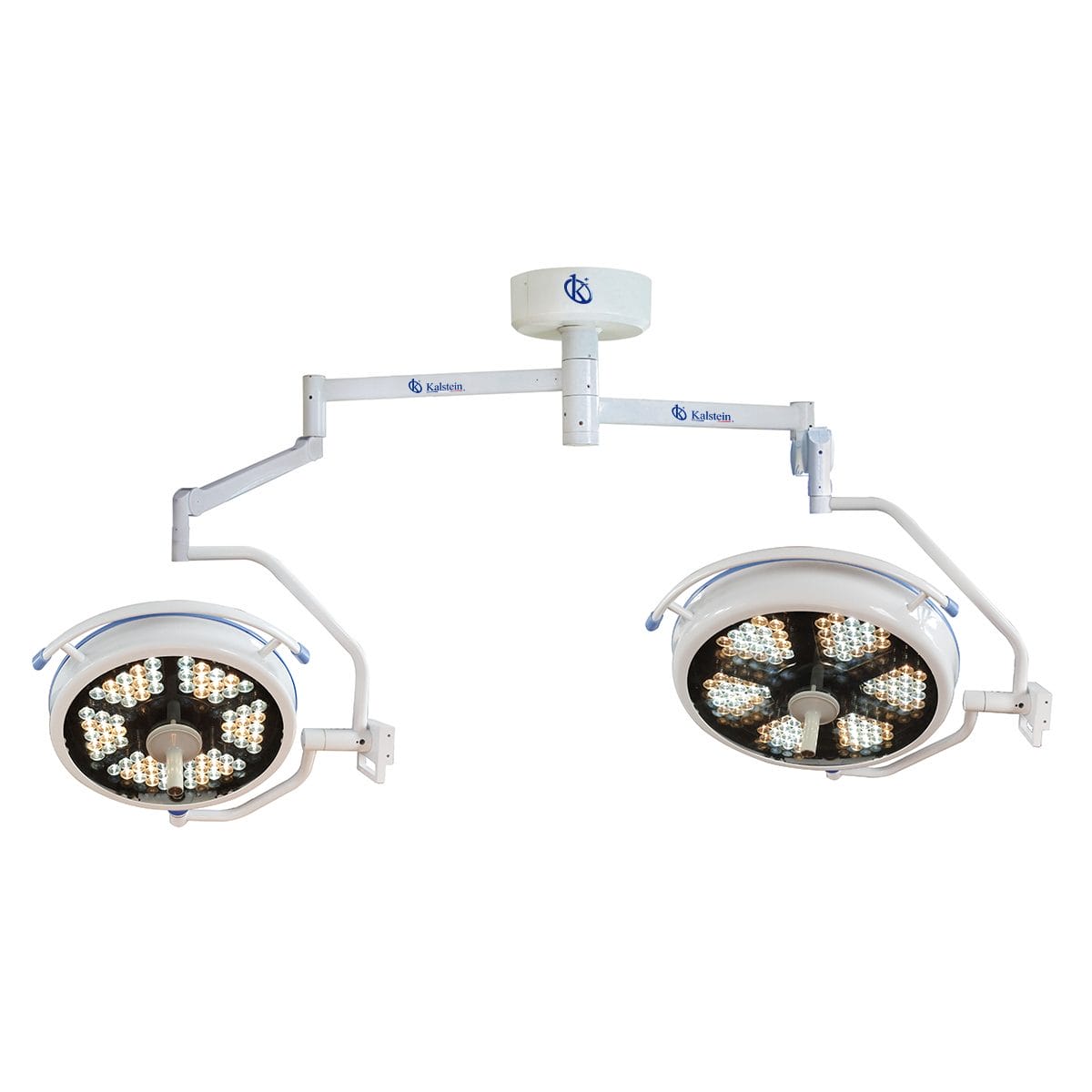
For instance, the YR06115 LED Double-Head Surgical Lamp is designed for complex surgeries requiring precise lighting. Implementing predictive maintenance strategies such as regular inspections and performance assessments can help avoid unexpected breakdowns, which can jeopardize surgical outcomes.
Calibration: Ensuring Accurate Performance
Regular calibration of veterinary operating lamps is essential to maintain their performance standards. Calibration ensures that the emitted light intensity and color temperature remain within specified ranges, which is crucial for surgical accuracy.
The YR06116 LED Double-Head Surgical Lamp allows for color temperature adjustments from 3500K to 5000K. Regular calibration helps confirm that the lamp meets these specifications, thus providing a consistent surgical environment.
Key Benefits of Predictive Maintenance and Calibration
1. **Increased Equipment Lifespan**: Regular maintenance prevents wear and tear, enhancing the longevity of the lamps.
2. **Enhanced Surgical Safety**: Consistent light quality reduces the risk of errors during procedures.
3. **Cost-Effectiveness**: Early detection of potential issues minimizes costly repairs and replacements.
4. **Compliance with Standards**: Adhering to calibration schedules ensures compliance with veterinary regulations and standards.
Best Practices for Implementing Predictive Maintenance
Implementing a predictive maintenance program involves several key practices:
1. **Data Collection**: Use sensors to monitor usage patterns and performance metrics of the lamps.
2. **Regular Inspections**: Schedule periodic inspections to assess the condition of each lamp.
3. **Training Staff**: Ensure that veterinary staff are trained in recognizing signs of lamp deterioration.
Calibration Procedures for Veterinary Operating Lamps
Establishing a robust calibration procedure is vital:
Frequency of Calibration
Calibration should be conducted at predetermined intervals, typically every 6 months, or after significant repairs. For example, the YR06117 LED Shadowless Surgical Lamp should be calibrated to ensure compliance with its specifications.
Documentation
Maintain detailed records of calibration activities, including date, results, and any adjustments made. This documentation is essential for compliance audits.
Comparison of Available Models
| Model | Illuminance (Lux) | Color Temperature (K) | Best for | Price (USD) |
|---|---|---|---|---|
| YR06115 | ≥160,000 | 3800±500K, 4400±500K, 5000±500K | Complex surgeries | 3400.00 |
| YR06116 | 160,000 | 3500K to 5000K | General surgical applications | 2100.00 |
| YR06117 | 40,000~160,000 | 3000~6700K | Modern surgical theaters | 1300.00 |
| YR06118 | 40,000~160,000 | 3000~6700K | Wall-mounted surgery | 1300.00 |
| YR06119 | ≥100,000 | 4800±300 | Minor surgeries | 550.00 |
| YR06120 | ≥50,000 | 4800±200 | General veterinary use | 450.00 |
Common Mistakes and How to Avoid Them
In the realm of veterinary operating lamps, several common pitfalls can arise:
1. **Neglecting Regular Maintenance**: Regularly scheduled maintenance is crucial. Create a maintenance calendar to ensure compliance.
2. **Overlooking Calibration Schedules**: Failing to calibrate can lead to lighting inconsistencies. Establish a protocol for regular calibration.
3. **Inadequate Staff Training**: Ensure all personnel are trained on the importance of lamp maintenance and functionality.
Frequently Asked Questions
What are the key features of YR06115 for predictive maintenance?
The YR06115 offers a high illuminance of ≥160,000 Lux and multiple color temperature settings, making it ideal for complex surgeries. Implementing predictive maintenance ensures optimal performance and extends the lamp's lifespan.
How often should veterinary operating lamps like YR06116 be calibrated?
The YR06116 should be calibrated every 6 months to maintain its performance, especially considering its adjustable color temperature features that are crucial for surgical precision.
What is the impact of predictive maintenance on the lifespan of YR06117?
Predictive maintenance significantly enhances the YR06117's lifespan by allowing for timely interventions, preventing unexpected failures, and ensuring consistent performance during surgical procedures.
How do I document calibration for the YR06118?
Calibration documentation for the YR06118 should include the date, results, adjustments made, and technician information to ensure compliance and provide a traceable history of maintenance actions.
What makes YR06119 suitable for minor surgeries?
The YR06119, with its illuminance of ≥100,000 Lux and soft light quality, is perfect for minor surgeries, providing adequate visibility while minimizing heat generation during procedures.
How can I ensure compliance with standards using YR06120?
To ensure compliance with standards using the YR06120, implement regular calibration schedules and maintain detailed records of calibration activities to meet regulatory requirements in veterinary settings.
What is the recommended maintenance schedule for YR06117?
The recommended maintenance schedule for the YR06117 includes routine inspections every three months, ensuring that the lamp operates within standard illumination and temperature parameters.
How does predictive maintenance affect the performance of veterinary operating lamps?
Predictive maintenance directly enhances the performance of veterinary operating lamps by ensuring they function at optimal levels, reducing the risk of equipment failure during critical surgical procedures.
If you are looking for a fusion of innovation and quality, you have come to the right place. At Kalstein, we offer you the luxury of exploring our exclusive catalog of laboratory equipment. We manufacture every device to the highest standards of excellence. Our intuitive and seamless online purchasing channels are designed for your convenience, securing the most competitive prices. Hesitate no longer — we bring science to life, it is time to become part of our community.