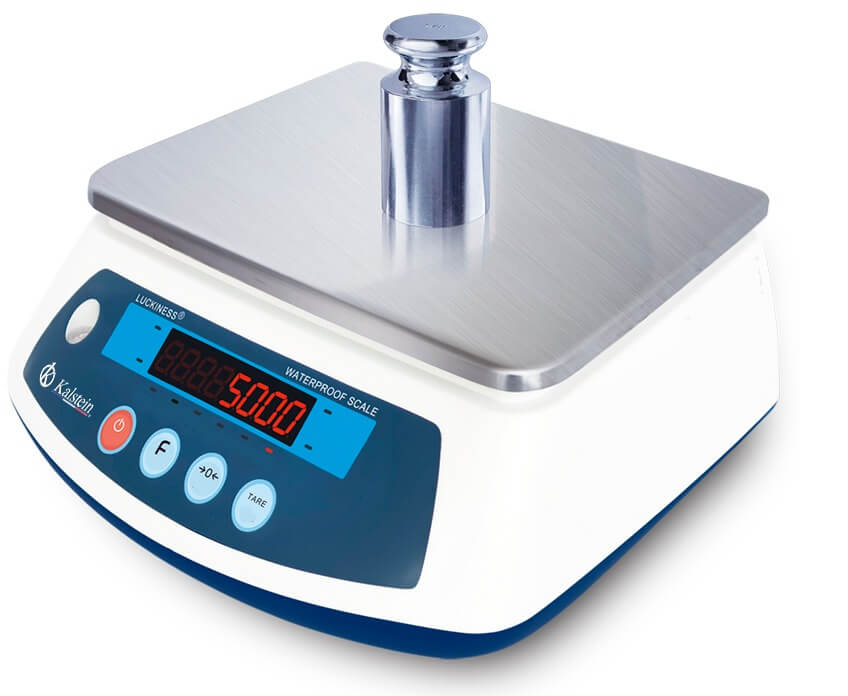
How to Implement Predictive Maintenance and Calibration for Waterproof Balances
Waterproof balances are critical instruments in laboratories, especially in environments where moisture is prevalent. To ensure these balances function accurately over time, implementing predictive maintenance and regular calibration is essential. This article will explore the best practices for maintaining waterproof balances, including a detailed analysis of multiple models, their specifications, and how they can meet the stringent demands of laboratory work.
Understanding Predictive Maintenance and Calibration
Predictive maintenance involves using data and analytics to predict potential failures in equipment before they occur. This approach not only minimizes downtime but also enhances the reliability and lifespan of equipment such as waterproof balances. Calibration, on the other hand, ensures that the balance measures weight accurately according to established standards. Regular calibration is necessary to comply with regulatory requirements and maintain quality assurance protocols.
Importance of Regular Calibration
Calibration is vital for ensuring that a waterproof balance operates within its specified limits. Regular checks can prevent measurement errors that could lead to faulty data and impact laboratory results. Compliance with international standards such as ISO/IEC 17025 demands strict adherence to calibration schedules, which must be documented thoroughly.
Calibration Protocols for Waterproof Balances
Establishing a reliable calibration protocol is essential for maintaining the consistency of waterproof balances. Calibration should be performed using certified weights that are traceable to national or international standards. It is advisable to create a detailed schedule, specifying the frequency of calibrations based on usage and criticality.
Comparison of Available Models
| Model | Max Capacity (kg) | Readability (g) | Best For |
|---|---|---|---|
| YR05623 | 3 | 0.1 | Laboratories with low to medium load requirements. |
| YR05624 | 6 | 0.5 | Applications requiring moderate capacity and precision. |
| YR05625 | 6 | 1 | Versatile use in various lab conditions. |
| YR05626 | 7.5 | 1 | Ideal for higher load testing and continuous use. |
| YR05627 | 15 | 5 | Suitable for heavy-duty laboratory applications. |
| YR05628 | 30 | 5 | Best for industrial and commercial laboratory settings. |
Common Mistakes and How to Avoid Them
One frequent mistake in maintaining waterproof balances is neglecting regular calibration. Skipping routine checks can lead to significant discrepancies in measurement accuracy. Additionally, using non-certified weights for calibration can compromise the reliability of results. To avoid these pitfalls, laboratories should establish a strict calibration schedule and use only certified weights.
Failure Modes and Predictive Maintenance Strategies
Understanding potential failure modes is crucial for effective predictive maintenance. Common issues in waterproof balances include sensor degradation, mechanical wear, and electronic component failures. By monitoring performance data, laboratories can detect early warning signs of these failures and schedule maintenance proactively. Regular inspections and performance tracking can significantly reduce unexpected breakdowns.
Calibration Schedule Example
| Frequency | Model | Calibration Method | Notes |
|---|---|---|---|
| Monthly | YR05623 | Use certified weights | Focus on low-load applications. |
| Quarterly | YR05624 | Use certified weights | Track performance over time. |
| Bi-Annually | YR05625 | Use certified weights | For moderate to high usage. |
Performance Metrics for Waterproof Balances
To enhance the predictive maintenance strategy, laboratories should track key performance metrics such as Mean Time Between Failures (MTBF) and Mean Time To Repair (MTTR). These metrics help assess the reliability of waterproof balances and can indicate when maintenance is required. By analyzing these metrics, labs can optimize their maintenance schedules and reduce downtime.
Conclusions and Recommendations
Implementing predictive maintenance and calibration strategies for waterproof balances is essential for ensuring accuracy and reliability in laboratory settings. By understanding the features of different models and adhering to a strict maintenance schedule, laboratories can improve performance and compliance with regulatory standards. Investing in a structured calibration and maintenance program will lead to increased productivity and better data quality.
Frequently Asked Questions
What are the best practices for calibrating waterproof balances?
To ensure accuracy, waterproof balances like the YR05625 should be calibrated regularly using certified weights. Calibration should occur at least quarterly, depending on usage, to maintain compliance with ISO/IEC standards.
How often should waterproof balances be calibrated for accuracy?
Calibration frequency for waterproof balances typically ranges from monthly to bi-annually. For example, the YR05624 should be calibrated Quarterly to ensure reliable measurements in laboratory environments.
Which waterproof balance models are ideal for heavy-duty applications?
The YR05627 and YR05628 models are specifically designed for heavy-duty applications, with capacities of 15 kg and 30 kg, respectively. These models excel in environments requiring robust performance.
What is the role of predictive maintenance in laboratory equipment?
Predictive maintenance plays a crucial role by utilizing performance data to foresee potential failures. For instance, tracking the YR05623 can help schedule maintenance before issues arise, ensuring continuous operation.
What are the consequences of neglecting balance calibration?
Neglecting calibration can lead to inaccurate measurements, compromising data integrity. For waterproof balances like the YR05626, this could affect research outcomes and compliance with regulatory standards.
How do I create a calibration schedule for waterproof balances?
A calibration schedule should be based on usage frequency and model specifications. For example, balancing models like the YR05625 may require calibration every 3-6 months, depending on their application in the lab.
What tools are necessary for calibrating waterproof balances?
Calibration of waterproof balances requires certified weights and a data recording system to log results. Utilizing certified weights ensures compliance with standards for models like the YR05628.
How can I assess the effectiveness of my maintenance strategy?
Effectiveness can be measured by analyzing MTBF and MTTR metrics. For example, if the YR05624 consistently shows a high MTBF, it indicates a successful maintenance strategy.
If you are looking for a fusion of innovation and quality, you have come to the right place. At Kalstein, we offer you the luxury of exploring our exclusive catalog of laboratory equipment. We manufacture every device to the highest standards of excellence. Our intuitive and seamless online purchasing channels are designed for your convenience, securing the most competitive prices. Hesitate no longer — we bring science to life, it is time to become part of our community.