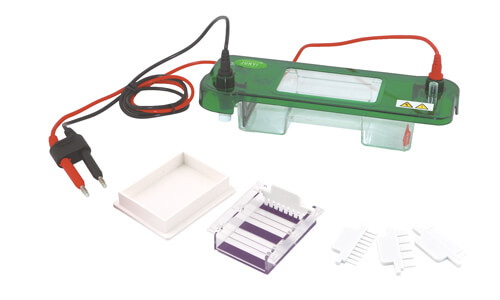
How to Implement Predictive Maintenance and Regular Calibration for Horizontal Electrophoresis Systems?
Horizontal electrophoresis systems play a crucial role in laboratory environments, enabling researchers to separate macromolecules such as DNA and proteins effectively. Ensuring these systems operate at peak performance requires rigorous maintenance strategies, particularly predictive maintenance and regular calibration. This article explores the importance of these practices, specific models available, and how they contribute to the longevity and efficiency of horizontal electrophoresis systems.
Understanding Predictive Maintenance in Horizontal Electrophoresis
Predictive maintenance refers to the proactive approach of assessing the condition of laboratory equipment to predict when failures might occur. In the context of horizontal electrophoresis systems, it involves monitoring the performance and wear of components to schedule maintenance before breakdowns happen. This not only enhances the reliability of equipment but also minimizes downtime and operational costs.
Key Components of Predictive Maintenance
To implement predictive maintenance effectively, laboratories should focus on key components:
- Data Analysis: Utilize analytics to interpret data from equipment usage and performance.
- Condition Monitoring: Employ sensors to track the operational state of electrophoresis systems.
- Maintenance Scheduling: Schedule maintenance based on data insights rather than fixed time intervals.
Regular Calibration: Ensuring Accuracy in Results
Calibration is essential to guarantee that horizontal electrophoresis systems provide accurate and reproducible results. Regular calibration aligns the equipment’s output with recognized standards, which is crucial in obtaining valid experimental data.
Establishing a Calibration Schedule
A well-defined calibration schedule is vital. Laboratories should determine calibration intervals based on manufacturer recommendations, frequency of use, and the critical nature of the experiments conducted. For example, a high-throughput lab might require more frequent calibrations compared to one with limited use of the equipment.
Comparison of Available Models
| Model | Gel Size (mm) | Sample Volume (ml) | Buffer Volume (ml) | Dimensions (mm) | Net Weight (Kg) | Price (USD) |
|---|---|---|---|---|---|---|
| YR03415 | 186x205 | 3, 5, 9 | ~150 | 250 x 90 x 50 | 0.4 | 81.00 |
| YR03416 | 78x100 | 10, 15 | ~400 | 365 x 105 x 55 | 0.6 | 136.80 |
| YR03417 | 120x120 | 3, 6, 8, 11, 13, 18, 25 | ~550 | 300 x 160 x 75 | 1.1 | 183.00 |
| YR03418 | 140x140 | 1, 2, 3, 6, 14, 8, 17, 13, 29 | ~900 | 390 x 187 x 63 | 2.0 | 201.00 |
| YR03419 | 130x130 | 3, 5, 10, 15, 13, 26 | ~600 | 305 x 152 x 80 | 1.7 | 201.00 |
| YR03420 | 200x200 | 17, 22, 36, 44 | ~1800 | 397 x 230 x 93 | 3.3 | 330.60 |
Common Mistakes and How to Avoid Them
Laboratories often make mistakes in implementing predictive maintenance and calibration practices. Here are a few common pitfalls to avoid:
- Ignoring Manufacturer Guidelines: Always adhere to the calibration schedule and maintenance practices specified by the manufacturer to ensure optimal performance.
- Overlooking Data Trends: Failing to analyze performance data can lead to unexpected equipment failures. Regularly monitor and assess data trends.
- Neglecting Documentation: Maintain thorough records of all maintenance and calibration activities for compliance and future reference.
Frequently Asked Questions
How often should I calibrate a Horizontal Electrophoresis system for optimal results?
Calibration intervals for Horizontal Electrophoresis systems like the YR03420 can depend on usage frequency and experiment criticality. For high-use systems, monthly calibrations are advisable to maintain accuracy.
What are the benefits of predictive maintenance in Horizontal Electrophoresis equipment?
Predictive maintenance helps prevent unexpected breakdowns in Horizontal Electrophoresis systems, such as the YR03416, by using data analytics to foresee equipment failures, thus saving costs and minimizing downtime.
Which Horizontal Electrophoresis model is best for high sample volume applications?
The YR03420 model, with its larger buffer volume capacity of ~1800ml and sample volume range, is ideal for laboratories needing to process numerous samples efficiently.
What key features should I look for in a Horizontal Electrophoresis system?
Key features to consider include gel size compatibility, buffer volume capacity, and ease of maintenance. Models like the YR03417 are versatile for various sample sizes and types.
How does regular calibration improve the accuracy of electrophoresis results?
Regular calibration ensures the Horizontal Electrophoresis systems, such as the YR03419, are aligned with standard metrics, thus improving accuracy and reproducibility of experimental results.
What is the impact of neglecting maintenance on Horizontal Electrophoresis equipment?
Neglecting maintenance can lead to equipment failures, inaccurate results, and increased operational costs. Implementing predictive maintenance for models like YR03418 can help mitigate these risks.
What data should be recorded during maintenance and calibration of electrophoresis systems?
Record the date, technician name, calibration results, and any repairs made during maintenance. This is particularly important for compliance with standards when using models like YR03415.
How can I determine the best maintenance schedule for my Horizontal Electrophoresis system?
Evaluate the manufacturer's recommendations and consider your laboratory's specific usage patterns. A model like the YR03416 may require more frequent calibration if used in high-throughput scenarios.
If you are looking for a fusion of innovation and quality, you have come to the right place. At Kalstein, we offer you the luxury of exploring our exclusive catalog of laboratory equipment. We manufacture every device to the highest standards of excellence. Our intuitive and seamless online purchasing channels are designed for your convenience, securing the most competitive prices. Hesitate no longer — we bring science to life, it is time to become part of our community.