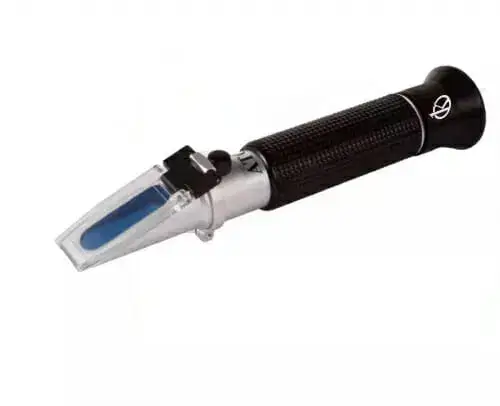
How to Ensure Predictive Maintenance and Periodic Calibration of Brix Refractometers
Brix refractometers are essential tools in various industries, including viticulture, food production, and brewing. These instruments measure the concentration of sugars in solutions, which is critical for determining the quality of products. Maintaining and periodically calibrating these devices is vital to ensure accuracy and reliability in measurements. In this article, we will discuss the importance of predictive maintenance and periodic calibration for Brix refractometers, diving into specific models, best practices, and common pitfalls to avoid.
Understanding Predictive Maintenance and Its Importance for Brix Refractometers
Predictive maintenance refers to techniques used to predict when equipment will fail, allowing for timely maintenance and reducing unexpected downtimes. In the context of Brix refractometers, predictive maintenance can help ensure that these devices provide accurate readings over time. Regular checks and monitoring can prevent malfunctions that may lead to inaccurate measurements, helping to maintain the integrity of laboratory results.
For instance, a Brix refractometer like the YR05875, with a measurement range of 0-20% Brix and a resolution of 0.1% Brix, should be regularly assessed for calibration and performance. Predictive maintenance strategies include monitoring the refractometer's performance regularly, tracking its calibration history, and scheduling maintenance based on usage patterns.
Periodic Calibration: A Step Towards Accuracy
Calibration is the process of verifying that an instrument measures accurately according to predefined standards. For Brix refractometers, periodic calibration ensures that the readings remain within acceptable limits defined by industry standards. It is recommended to calibrate Brix refractometers at least once every three months or as necessary based on usage frequency.
Models like the YR05876, which offers a measurement range of 0-32% Brix, require calibration to ensure that the readings are consistent. Calibration can involve using sugar solutions with known Brix values to compare the refractometer's readings against established standards. This process should be documented to maintain traceability.
Common Calibration Standards and Practices
When calibrating Brix refractometers, it's crucial to follow standard practices to ensure accuracy. The most common standard for calibration is using sucrose solutions at specific concentrations. Calibration can include:
- Using solutions with Brix levels of 0%, 5%, 10%, and 20% to create a calibration curve.
- Documenting each calibration session, including date, time, and results.
- Adjusting the refractometer according to the discrepancies noted during calibration.
Regular documentation helps in maintaining a clear history of calibrations, which is essential for regulatory compliance in laboratories.
Comparison of Available Models
| Model | Measurement Range | Minimum Division | Accuracy | Calibration Method |
|---|---|---|---|---|
| YR05872 | 0-5% Brix | 0.1% Brix | ± 0.10% Brix | Standard sugar solutions |
| YR05873 | 0-10% Brix | 0.1% Brix | ± 0.10% Brix | Standard sugar solutions |
| YR05874 | 0-18% Brix | 0.1% Brix | ± 0.10% Brix | Standard sugar solutions |
| YR05875 | 0-20% Brix | 0.1% Brix | ± 0.10% Brix | Standard sugar solutions |
| YR05876 | 0-32% Brix | 0.1% Brix | ± 0.10% Brix | Standard sugar solutions |
| YR05877 | 0-40% Brix | 0.1% Brix | ± 0.10% Brix | Standard sugar solutions |
Strategies for Effective Predictive Maintenance
Implementing effective predictive maintenance involves several strategies tailored to the usage of Brix refractometers.
- Regular Training: Ensure that laboratory personnel are trained in the proper use and care of refractometers.
- Usage Tracking: Keep a log of how often each refractometer is used to predict when maintenance should be performed.
- Performance Monitoring: Use performance parameters to decide if measurements fall outside expected ranges, indicating a potential need for recalibration or servicing.
- Service Agreements: Consider service agreements with manufacturers for routine checks and maintenance.
Common Mistakes and How to Avoid Them
Even experienced laboratory professionals can make mistakes that lead to inaccurate results. Here are common pitfalls to avoid:
- Neglecting Calibration: Failing to calibrate regularly can lead to significant measurement errors. Set a schedule for routine calibration.
- Inadequate Training: Ensure all staff are adequately trained on the use and maintenance of refractometers. Continuous training sessions can help reinforce best practices.
- Ignoring Documentation: Not keeping detailed records of maintenance and calibration can result in compliance issues. Maintain a comprehensive log for each device.
- Using Improper Solutions: Always use the correct calibration solutions; incorrect solutions can lead to inaccurate calibrations.
Frequently Asked Questions
What are the key benefits of predictive maintenance for Brix refractometers?
Predictive maintenance enhances the reliability of Brix refractometers like the YR05875 by anticipating failures before they occur, thereby reducing downtime and maintenance costs. This approach helps maintain measurement integrity and prolongs the lifespan of the equipment.
How often should I calibrate my Brix refractometer to ensure accuracy?
It is generally recommended to calibrate Brix refractometers, such as the YR05876, at least every three months or more frequently based on usage. Regular calibration ensures precision in detecting sugar levels in various solutions.
What calibration methods are best for Brix refractometers?
The best calibration methods for Brix refractometers involve using standard sugar solutions to verify the accuracy of readings. For example, using solutions with known Brix values helps ensure devices like the YR05872 are performing correctly.
What are the consequences of not performing regular maintenance on Brix refractometers?
Neglecting regular maintenance can lead to inaccurate measurements, equipment failure, and costly downtimes. Using Brix refractometers, like the YR05874, without proper maintenance can jeopardize the quality of products being tested.
How can I document my Brix refractometer calibrations effectively?
Documenting calibrations involves maintaining a log that includes the date, time, calibration results, and any adjustments made. This documentation is crucial for compliance and helps in tracking the device's performance over time.
What is the typical lifespan of a Brix refractometer with proper maintenance?
With proper maintenance and regular calibrations, Brix refractometers such as the YR05875 can last several years, often exceeding five years of reliable service. Regular checks ensure consistent performance and accuracy throughout their lifespan.
Which Brix refractometer model is best for high sugar concentration testing?
The YR05877, with a measurement range up to 0-40% Brix, is ideal for high sugar concentration testing. Its design allows for accurate readings in applications where higher sugar levels are prevalent.
If you are looking for a fusion of innovation and quality, you have come to the right place. At Kalstein, we offer you the luxury of exploring our exclusive catalog of laboratory equipment. We manufacture every device to the highest standards of excellence. Our intuitive and seamless online purchasing channels are designed for your convenience, securing the most competitive prices. Hesitate no longer — we bring science to life, it is time to become part of our community.