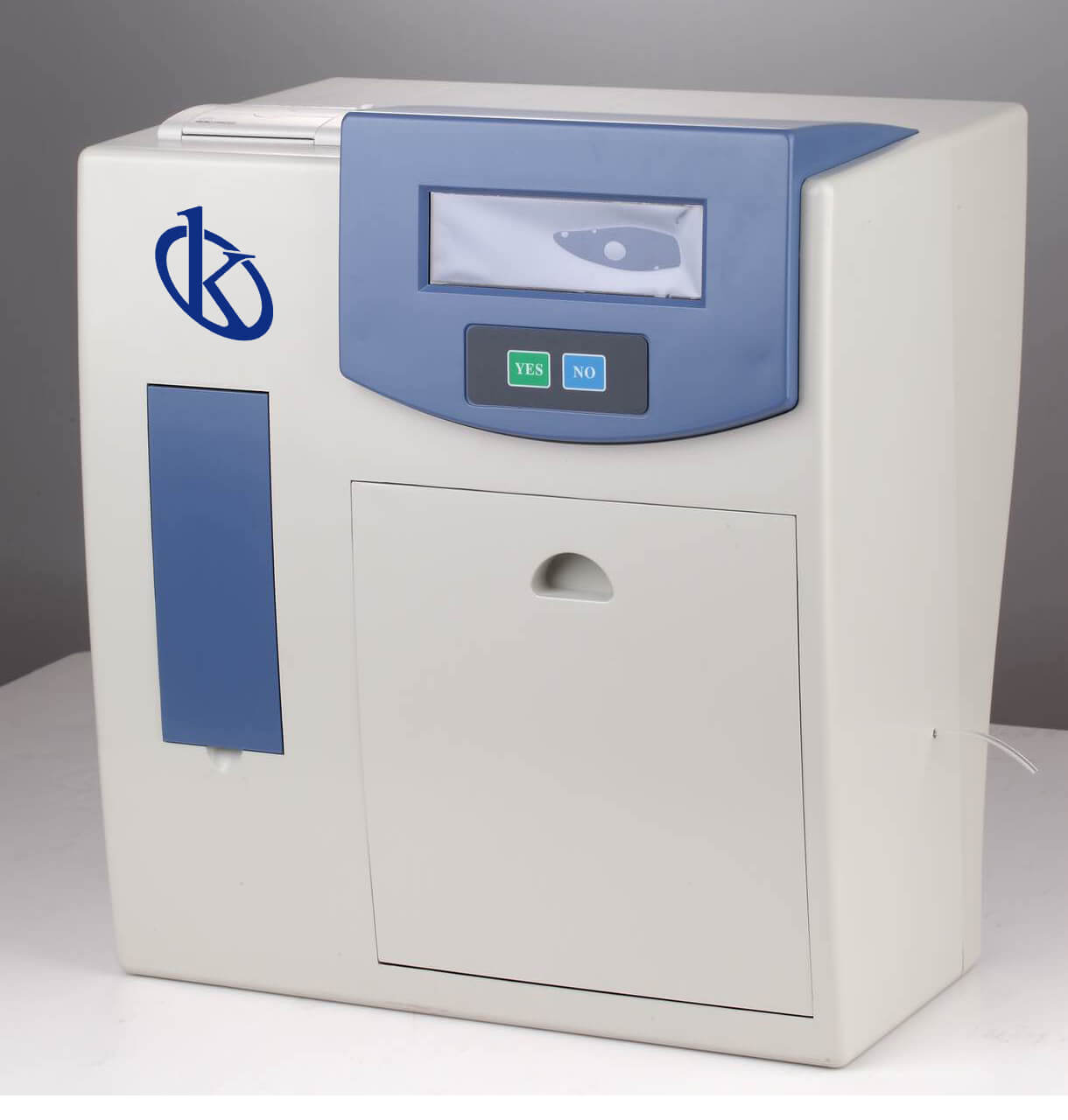
Understanding Predictive Maintenance and Periodic Calibration for Electrolyte Analyzers
As laboratories strive for higher efficiency, the role of electrolyte analyzers becomes paramount. These devices are crucial for accurate electrolyte measurements, making their maintenance and calibration essential. Predictive maintenance and periodic calibration are two concepts that can significantly enhance the reliability and performance of these analyzers, ensuring compliance with industry standards.
The Importance of Predictive Maintenance in Electrolyte Analyzers
Predictive maintenance involves monitoring the condition of equipment to predict when maintenance should be performed. This approach helps in preventing unexpected failures, thus ensuring consistent operation. For electrolyte analyzers, predictive maintenance can be implemented by installing sensors that track operational metrics such as temperature, pressure, and electrical performance. By leveraging advanced analytics, laboratories can optimize maintenance schedules, thereby extending the life of their devices and improving overall productivity.
Periodic Calibration: Ensuring Measurement Accuracy
Periodic calibration is a crucial aspect of maintaining the accuracy of electrolyte analyzers. Calibration ensures that the measurements provided by the analyzers are accurate and reliable. The recommended calibration frequency can vary based on the manufacturer's guidelines and the analyzer's usage patterns. For instance, the Electrolyte Analyzer YR05169 features automatic calibration and two-point correction methods to adjust the slope and intercept, ensuring optimal performance over time.
Calibration Standards and Best Practices
Adhering to calibration standards is essential for maintaining compliance and achieving reliable results. ISO 17025 is a widely recognized standard that specifies the general requirements for the competence of testing and calibration laboratories. Implementing a calibration plan that meets these standards will enhance the credibility of the results provided by electrolyte analyzers.
Common Calibration Mistakes and How to Avoid Them
Calibration errors can significantly impact the performance of electrolyte analyzers. Common mistakes include using incorrect calibration standards, failing to document calibration procedures, and not adjusting for environmental factors. To avoid these pitfalls, laboratories should develop a comprehensive checklist for calibration processes, ensuring consistency and accuracy in every session.
Comparison of Available Models
| Model | Key Features | Calibration Method | Best For |
|---|---|---|---|
| YR05169 | Automatic tracking software, real-time diagnostics | Two-point calibration | High-throughput labs |
| YR06391 | Touchscreen interface, multiple sample types | ISE calibration | Small to medium labs |
| YR06392 | Economical consumables, user-friendly design | ISE calibration | Budget-conscious labs |
| YR06393 | Fast measurement speed, multiple parameters | ISE calibration | Research facilities |
| YR06394 | Advanced analytics, high precision | ISE calibration | Quality control labs |
| YR06395 | Multi-sample analysis, robust design | ISE calibration | Clinical laboratories |
Best Practices for Predictive Maintenance
Implementing predictive maintenance requires a structured approach. Laboratories should establish clear KPIs (Key Performance Indicators) such as Mean Time Between Failures (MTBF) and Mean Time to Repair (MTTR). Additionally, using software to monitor analyzer performance will allow for proactive decision-making regarding maintenance schedules, thus minimizing downtime and optimizing lab efficiency.
Setting Calibration Intervals: When and How?
Determining the appropriate calibration intervals is vital for maintaining analyzer performance. The frequency should be guided by the analyzer's usage intensity, the stability of the environment, and the manufacturer's recommendations. A well-defined calibration schedule not only enhances reliability but also ensures compliance with standards such as ISO 17025.
Frequently Asked Questions
What are the common calibration standards for electrolyte analyzers in laboratories?
Common calibration standards for electrolyte analyzers include ISO 17025 and ISO 15189. These standards ensure that laboratories maintain quality management systems. For example, the Electrolyte Analyzer YR05169 supports automatic calibration, aligning with these standards to enhance its reliability.
How can predictive maintenance improve electrolyte analyzer reliability?
Predictive maintenance improves reliability by utilizing sensors to monitor performance metrics, allowing laboratories to address potential issues before they lead to failures. For instance, the YR06391 model can leverage predictive maintenance to enhance its operational efficiency and reduce unexpected downtimes.
What is the recommended calibration frequency for electrolyte analyzers?
The recommended calibration frequency for electrolyte analyzers varies but typically ranges from daily to monthly, depending on usage. Models like the YR05169 utilize automatic calibration features to help maintain accuracy in line with these recommendations, ensuring reliable results.
How does the calibration method affect the performance of electrolyte analyzers?
The calibration method directly influences the accuracy and reliability of measurements provided by electrolyte analyzers. For example, the YR06393 model employs ion-selective electrode calibration, which ensures precision across various sample types, enhancing the overall performance of the analyzer.
What are the benefits of periodic calibration for electrolyte analyzers?
Periodic calibration ensures that electrolyte analyzers provide accurate measurements, reducing the risk of errors in clinical decisions. By adhering to calibration standards, labs using models like the YR06392 can enhance the credibility of their results, which is crucial in medical settings.
How can laboratories optimize their calibration plans for electrolyte analyzers?
Laboratories can optimize calibration plans by establishing a defined schedule based on usage frequency, utilizing documentation practices, and integrating predictive maintenance strategies. Devices such as the YR06394 can facilitate this process through advanced analytics, ensuring organizations remain compliant and efficient.
Why is documentation crucial in the calibration process for electrolyte analyzers?
Documentation is crucial in the calibration process as it provides traceability and evidence of compliance with regulatory standards. Keeping accurate records for models like the YR06395 enhances accountability and supports quality assurance initiatives in laboratory settings.
What role does technology play in modern electrolyte analyzer maintenance?
Technology plays a significant role in modern electrolyte analyzer maintenance by enabling predictive analytics, streamlining calibration processes, and enhancing user interactions. For example, the YR06391’s touchscreen interface allows for easy access to maintenance protocols, leading to better laboratory practices.
To further enhance your laboratory's efficiency, request a quote on Kalstein Plus for the latest electrolyte analyzers.
If you are looking for a fusion of innovation and quality, you have come to the right place. At Kalstein, we offer you the luxury of exploring our exclusive catalog of laboratory equipment. We manufacture every device to the highest standards of excellence. Our intuitive and seamless online purchasing channels are designed for your convenience, securing the most competitive prices. Hesitate no longer — we bring science to life, it is time to become part of our community.