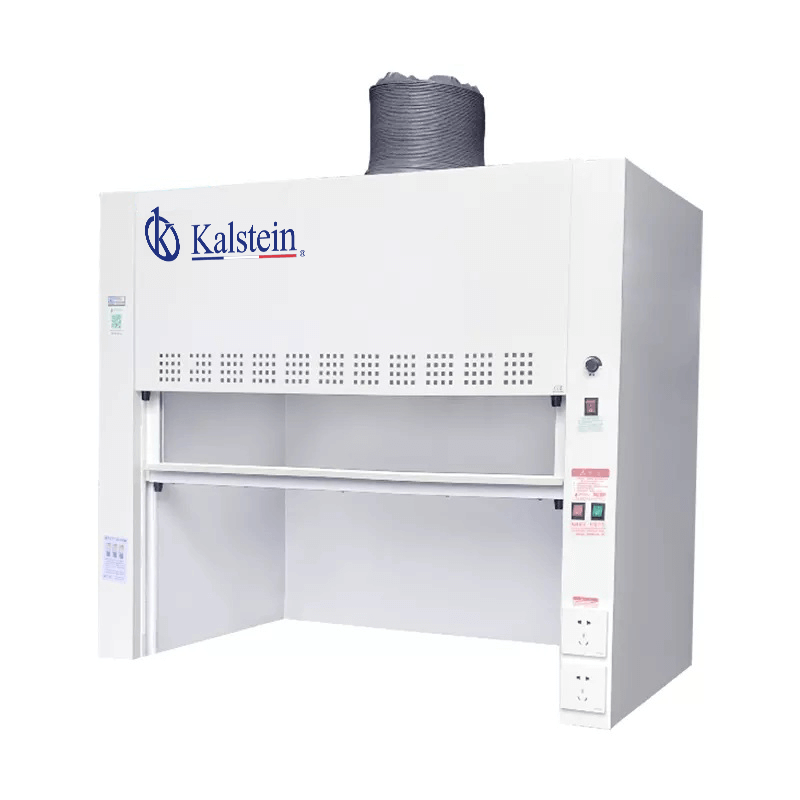
How to Implement Predictive Maintenance and Periodic Calibration for Fume Hoods
In any laboratory environment, ensuring the proper functioning of fume hoods is crucial for safety, compliance, and operational efficiency. This article focuses on the importance of predictive maintenance and periodic calibration of fume hoods, as well as providing insights into various models available in the market that cater to these needs.
Understanding Predictive Maintenance and Calibration
Predictive maintenance involves monitoring equipment to predict failures before they occur, thereby minimizing downtime and maintenance costs. Periodic calibration ensures that fume hoods operate within specified parameters to maintain safety and efficacy. Together, these strategies enhance laboratory safety and operational efficiency.
Importance of Compliance and Standards
Laboratories must comply with several standards, including ISO 17025, to ensure their operations meet quality and safety benchmarks. Non-compliance can lead to legal issues and safety risks. Predictive maintenance and calibration play a significant role in meeting these standards by ensuring fume hoods function correctly and safely.
Comparison of Available Models
| Model | External Dimensions (mm) | Internal Dimensions (mm) | Work Surface Height (mm) | Maximum Window Opening (mm) | Price (USD) |
|---|---|---|---|---|---|
| YR05808 | 650 x 650 x 1000 | 450 x 600 x 750 | 800 | 750 | 390.00 |
| YR05809 | 800 x 650 x 1000 | 600 x 600 x 750 | 800 | 750 | 420.00 |
| YR05810 | 1000 x 650 x 1000 | 800 x 600 x 750 | 800 | 750 | 470.00 |
| YR05811 | 1000 x 650 x 1000 | 1000 x 600 x 750 | 800 | 750 | 508.00 |
| YR05812 | 1500 x 650 x 1000 | 1300 x 600 x 750 | 800 | 750 | 526.00 |
| YR05813 | 800 x 650 x 1900 | 600 x 600 x 750 | 800 | 750 | 610.00 |
Common Mistakes and How to Avoid Them
A common mistake in laboratory maintenance is neglecting the calibration schedule. Fume hoods should be calibrated periodically based on manufacturer recommendations and the frequency of use. Additionally, overlooking predictive maintenance alerts can lead to unexpected breakdowns, compromising safety and productivity. Laboratories should maintain a detailed log of maintenance activities and calibrations to avoid these pitfalls.
Frequently Asked Questions
How often should fume hoods be calibrated for safety compliance?
Fume hoods should be calibrated at least annually to ensure compliance with safety standards like ISO 17025. For models like YR05808, regular calibration checks help maintain proper airflow and containment efficiency, crucial for a safe laboratory environment.
What are the benefits of predictive maintenance for fume hoods?
Predictive maintenance for fume hoods, such as the YR05811, allows laboratories to identify potential failures before they occur, reducing downtime and maintenance costs. This proactive approach ensures compliance with safety standards and enhances operational efficiency.
Which fume hood model is best for high-throughput laboratories?
The YR05812 model is ideal for high-throughput laboratories due to its larger internal dimensions, allowing for greater work capacity. Regular predictive maintenance and calibration are essential to keep operations running smoothly and safely.
What are the key features to look for in a fume hood for compliance?
Key features for compliance in fume hoods include proper airflow measurements, adjustable window openings, and quality construction materials. Models like YR05810 offer these features, ensuring safety and adherence to standards like ISO 17025.
How can I ensure my fume hood meets calibration standards?
To ensure calibration standards are met, maintain a detailed calibration schedule and follow the manufacturer's guidelines. Models such as YR05809 provide easy access for calibration checks, facilitating compliance with safety regulations.
What are the costs associated with maintaining fume hoods?
Maintaining fume hoods involves costs for periodic calibration, predictive maintenance, and potential repairs. Budgeting for these expenses ensures that models like YR05813 remain compliant and operational, preventing costly downtime.
How does the construction material of a fume hood affect its maintenance?
The construction material, such as epoxy-coated steel in YR05808, influences durability and maintenance. Choosing robust materials minimizes wear and tear, reducing the frequency of repairs and ensuring longer operational lifespan.
What should I include in a fume hood maintenance log?
A fume hood maintenance log should include calibration dates, maintenance activities, performance checks, and any repairs conducted. This documentation is crucial for compliance and for models like YR05811, ensuring they are continuously operating safely.
If you are looking for a fusion of innovation and quality, you have come to the right place. At Kalstein, we offer you the luxury of exploring our exclusive catalog of laboratory equipment. We manufacture every device to the highest standards of excellence. Our intuitive and seamless online purchasing channels are designed for your convenience, securing the most competitive prices. Hesitate no longer — we bring science to life, it is time to become part of our community.