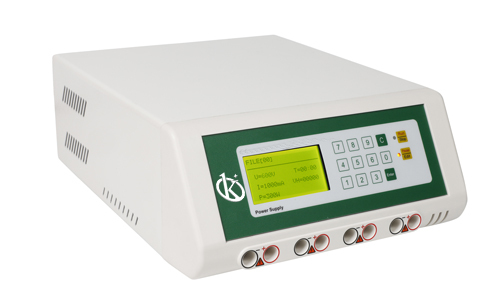
How to Implement Predictive Maintenance and Periodic Calibration for High-Voltage Power Supplies?
In laboratory settings, high-voltage power supplies are essential for various applications, ranging from electrophoresis to testing electrical components. However, maintaining their optimal performance is crucial for reliable results and compliance with industry standards. Implementing predictive maintenance and periodic calibration is vital for ensuring that these devices function efficiently and adhere to regulatory requirements.
Understanding Predictive Maintenance and Its Importance
Predictive maintenance involves monitoring the condition and performance of equipment to predict failures before they occur. This strategy helps in minimizing downtime, reducing repair costs, and extending the lifespan of high-voltage power supplies. For instance, regular monitoring can identify potential issues such as overheating or electrical malfunctions. By using data analytics, laboratories can predict when maintenance should be performed, thereby optimizing operations and saving costs.
Periodic Calibration: Ensuring Accuracy and Compliance
Periodic calibration is essential to maintain the accuracy of high-voltage power supplies and ensure they meet compliance standards such as ISO 17025. Calibration verifies that the output voltage, current, and power settings are accurate and traceable to national standards. This is critical for laboratories that require precise measurements for experiments or tests. Regular calibration schedules help laboratories adhere to quality assurance protocols and avoid costly errors.
Key Features of High-Voltage Power Supplies
When evaluating high-voltage power supplies, several features are crucial for successful predictive maintenance and periodic calibration:
- Touch Control Panels: Devices like the YR03409 and YR03408 offer intuitive touch controls for easy operation and monitoring.
- Multi-method Storage: Models such as YR03408 can store up to 100 methods of electrophoresis, allowing for versatility in various applications.
- Automatic Fault Detection: Features like automatic fault detection in the YR03409 help in identifying issues like overloads and short circuits.
Comparison of Available Models
| Model Code | Output Range | Memory Storage | Price (USD) | Best For |
|---|---|---|---|---|
| YR03409 | 20–3000 V, 1–200 mA, 1–200 W | 10 methods | 1105.80 | Advanced applications |
| YR03408 | 20–5000 V, 1–200 mA, 1–100 W | 100 methods | 1475.00 | High-throughput labs |
| YR03405 | 10–600 V, 1–500 mA, 1–300 W | 100 methods | 967.20 | Cost-effective solutions |
| YR03406 | 20–1600 V, 1–100 mA, 1–160 W | 100 methods | 552.00 | Standard laboratory setups |
| YR03407 | 20–3000 V, 1–400 mA, 1–400 W | 100 methods | 1383.00 | Research applications |
Common Mistakes and How to Avoid Them
One common mistake many laboratories make is neglecting routine calibration of their high-voltage power supplies. This can lead to inaccurate results and non-compliance with standards. Another mistake is failing to adequately train staff on predictive maintenance protocols, which can result in overlooked signs of equipment failure. To avoid these pitfalls, establish stringent maintenance schedules and provide thorough training for all staff involved in operating and maintaining high-voltage equipment.
Effective Calibration Strategies
Developing an effective calibration strategy is essential for maintaining the accuracy of high-voltage power supplies. This includes setting a clear schedule based on usage rates and manufacturer recommendations. For example, the YR03408 should ideally be calibrated every six months to ensure compliance and reliability. Documenting each calibration session helps maintain traceability and provides evidence for audits.
Implementing Predictive Maintenance Protocols
To implement predictive maintenance protocols successfully, start by selecting key performance indicators (KPIs) such as Mean Time Between Failures (MTBF) and Mean Time to Repair (MTTR). Regularly monitor these metrics using integrated software solutions that can analyze equipment data. For instance, the YR03409’s automatic fault detection feature aids in real-time monitoring, enabling timely interventions before major failures occur.
Frequently Asked Questions
How can predictive maintenance improve the reliability of high-voltage power supplies?
Predictive maintenance enhances the reliability of high-voltage power supplies by enabling timely identification of potential failures. For example, the YR03409 model’s automatic fault detection identifies issues like overloads, reducing unexpected downtimes and ensuring consistent performance in laboratory settings.
What are the recommended calibration intervals for high-voltage power supplies?
Calibration intervals for high-voltage power supplies should typically be set every six months or based on manufacturer recommendations. The YR03408 model, for instance, is recommended for calibration bi-annually to ensure accuracy and compliance with ISO standards.
Which standards apply to high-voltage power supply calibration in laboratories?
ISO 17025 is a key standard that applies to high-voltage power supply calibration in laboratories. Compliance requires regular calibration and traceability of measurements, which ensures the accuracy of devices like the YR03406 in providing reliable results for experiments.
What role does memory storage play in high-voltage power supplies?
Memory storage in high-voltage power supplies, such as in the YR03408 model, allows users to save multiple operational methods. This feature is crucial for laboratories performing varied tests and helps streamline processes, ultimately enhancing productivity.
How does automation in high-voltage power supplies aid in maintenance?
Automation in high-voltage power supplies, like the YR03409’s automatic fault detection, aids maintenance by providing real-time alerts on equipment status. This reduces the need for manual checks and enhances the overall reliability of laboratory operations.
What is the impact of improper calibration on laboratory results?
Improper calibration can lead to inaccurate results, which can compromise experimental integrity. For instance, if the YR03405 model is not calibrated regularly, it could produce faulty voltage readings, impacting the reliability of tests conducted in the laboratory.
How does predictive maintenance reduce operational costs?
Predictive maintenance reduces operational costs by preventing unexpected equipment failures, which can lead to expensive repairs and downtime. Utilizing the data analytics features of models like the YR03407 can help in anticipating maintenance needs, thereby optimizing resource allocation in laboratory settings.
What features should I look for in a high-voltage power supply for research purposes?
When selecting a high-voltage power supply for research, look for features such as output range, memory storage capacity, and automatic fault detection. The YR03408 model, for example, offers extensive memory and a wide output range, making it ideal for diverse research applications.
If you are looking for a fusion of innovation and quality, you have come to the right place. At Kalstein, we offer you the luxury of exploring our exclusive catalog of laboratory equipment. We manufacture every device to the highest standards of excellence. Our intuitive and seamless online purchasing channels are designed for your convenience, securing the most competitive prices. Hesitate no longer — we bring science to life, it is time to become part of our community.