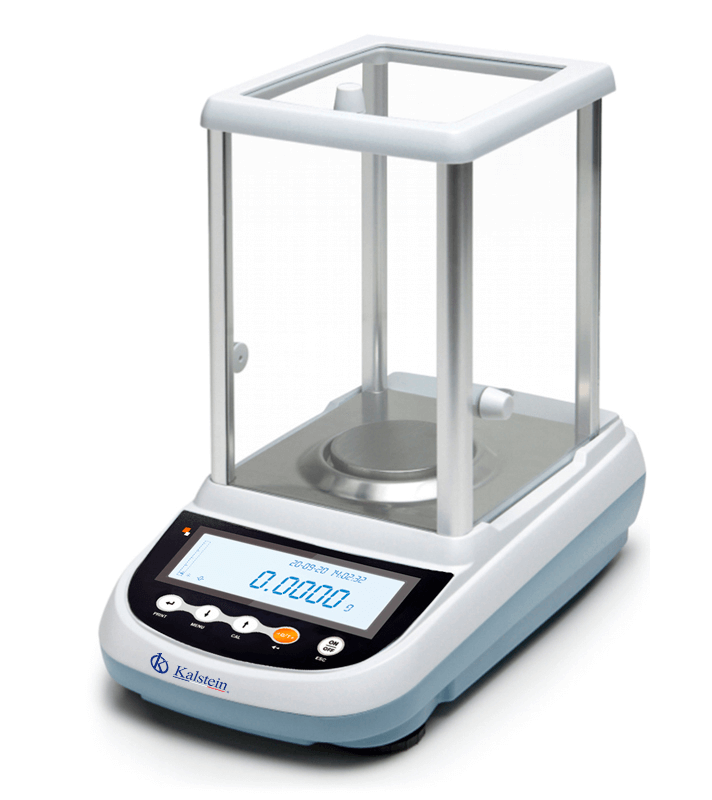
How to Achieve Predictive Maintenance and Regular Calibration in Analytical Balances
Analytical balances are fundamental instruments in laboratories, providing high-precision measurements essential for various applications. Ensuring their optimal performance through predictive maintenance and regular calibration is crucial to maintain measurement accuracy and compliance with industry standards. This article delves into the effective strategies for achieving predictive maintenance and establishing a regular calibration schedule for analytical balances.
Understanding Predictive Maintenance in Analytical Balances
Predictive maintenance involves proactive strategies aimed at predicting when maintenance should be performed to prevent unexpected equipment failures. For analytical balances, this method hinges on continuous monitoring and analysis of their performance metrics. By employing predictive maintenance, laboratories can minimize downtime, extend equipment lifespan, and ensure consistent measurement accuracy.
Key Components of Predictive Maintenance
The key components of predictive maintenance for analytical balances include:
- Performance Monitoring: Continuous tracking of balance performance metrics, such as stability, drift, and response time.
- Data Analysis: Utilizing statistical tools to analyze data trends and identify potential issues before they escalate.
- Scheduled Maintenance: Implementing regular checks and servicing based on predictive analytics to ensure optimal balance operation.
Importance of Regular Calibration for Analytical Balances
Regular calibration is essential for analytical balances to maintain their accuracy and ensure compliance with industry standards, such as ISO 17025. Calibration involves adjusting the balance to ensure that its output matches known weight standards. This process is vital in laboratories where precise measurements are required for research, formulation, and quality control.
Calibration Intervals and Standards
Calibration intervals depend on various factors, including the balance's usage frequency, environmental conditions, and manufacturer recommendations. Typically, analytical balances should be calibrated at least every six months, while highly used balances may require monthly checks. Following standards like ISO 17025 not only boosts measurement reliability but also enhances laboratory credibility.
Comparison of Available Models
| Model | Calibration Type | Capacity (g) | Resolution (g) | Price (USD) | Best for |
|---|---|---|---|---|---|
| YR05568 | Internal/External | 220 | 0.1 mg | 790.00 | High precision applications |
| YR05569 | Internal/External | 310 | 0.1 mg | 825.00 | Laboratory research |
| YR05570 | Internal/External | 410 | 0.1 mg | 1080.00 | Quality control |
| YR05571 | Internal/External | 510 | 0.1 mg | 1125.00 | Chemistry applications |
| YR05572 | Internal/External | 610 | 0.1 mg | 1240.00 | Pharmaceuticals |
| YR05573 | Internal | 100 | 0.0001 g | 325.00 | Jewelry and high precision tasks |
Common Mistakes and How to Avoid Them
When implementing predictive maintenance and calibration for analytical balances, several common mistakes can hinder effectiveness. Below are key pitfalls and strategies to avoid them:
- Neglecting Environmental Factors: Failing to consider how temperature, humidity, and vibrations affect balance performance can lead to inaccurate measurements. Ensure that balances are placed in stable environments.
- Inconsistent Calibration Schedules: Skipping or delaying calibrations can result in measurement drift. Establish a strict calibration schedule based on usage and operational guidelines.
- Ignoring Data Trends: Not analyzing performance data can lead to unpredicted failures. Regularly review performance metrics to detect any declining trends.
Frequently Asked Questions
How often should analytical balances be calibrated for ISO compliance?
Analytical balances should be calibrated at least every six months to maintain ISO 17025 compliance. For example, the YR05572 model, with a capacity of 610 grams, benefits significantly from regular calibrations to ensure precise measurements for pharmaceuticals.
What are the benefits of predictive maintenance in analytical balances?
Predictive maintenance improves reliability and extends the lifespan of analytical balances by monitoring performance metrics and predicting failures before they occur. For instance, models like YR05570 can significantly reduce downtime through effective predictive strategies.
Which analytical balance model is best for high-precision applications?
The YR05573 model, known for its internal calibration and 0.0001 g readability, is ideal for high-precision applications like jewelry weighing. This model’s capabilities ensure outstanding accuracy in critical measurement scenarios.
How can laboratories implement an effective calibration schedule?
Laboratories can implement effective calibration schedules by determining the frequency based on usage and environmental factors. For models like YR05571, monthly checks may be necessary due to high use in chemistry applications, ensuring consistent accuracy.
What factors influence the calibration interval for analytical balances?
Factors influencing calibration intervals include the frequency of use, environmental stability, and specific laboratory standards. For instance, the YR05569 model requires calibration more frequently in high-traffic laboratory environments to maintain accuracy.
Can predictive maintenance reduce overall operational costs for analytical balances?
Yes, predictive maintenance can significantly reduce operational costs by preventing unplanned downtime and extending the lifespan of analytical balances. Regular monitoring of models like YR05568 leads to cost savings through minimized repairs and maintenance disruption.
What are the signs that an analytical balance needs calibration?
Signs that an analytical balance needs calibration include inconsistent readings, drift from known standards, or irregular performance metrics. For example, if the YR05571 model shows variations beyond acceptable limits, immediate recalibration is necessary.
How does temperature affect calibration accuracy in analytical balances?
Temperature fluctuations can lead to measurement inaccuracies in analytical balances. For models such as YR05570, maintaining a stable operating temperature (5-35 °C) is crucial for ensuring optimal performance and accurate readings.
If you are looking for a fusion of innovation and quality, you have come to the right place. At Kalstein, we offer you the luxury of exploring our exclusive catalog of laboratory equipment. We manufacture every device to the highest standards of excellence. Our intuitive and seamless online purchasing channels are designed for your convenience, securing the most competitive prices. Hesitate no longer — we bring science to life, it is time to become part of our community.