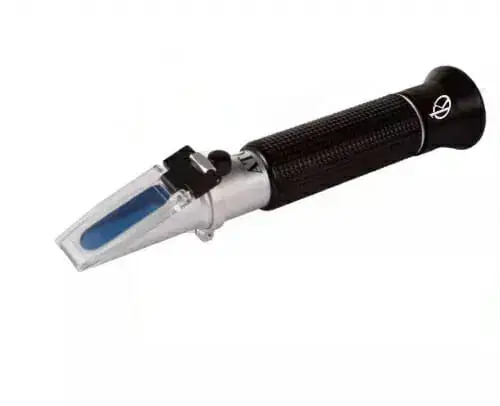
Predictive Maintenance and Recommended Calibration for Wine Refractometers
In the world of wine analysis, precision is paramount. Wine refractometers are essential tools for winemakers, allowing them to measure the sugar content and alcohol levels in their products. However, to maintain their accuracy and prolong their lifespan, predictive maintenance and regular calibration are necessary. In this article, we will delve into the best practices for maintaining wine refractometers, focusing on key models available in the market, including the Wine Refractometer YR05931, YR05932, YR05933, YR05934, YR05935, and YR05936.
Importance of Predictive Maintenance for Wine Refractometers
Predictive maintenance is an approach that ensures laboratory equipment operates optimally by forecasting potential failures and addressing them proactively. For wine refractometers, predictive maintenance can prevent inaccuracies that could arise from wear and tear or environmental factors. This practice is essential because the refractive index of sugar solutions can be influenced by temperature fluctuations and device age.
Wine refractometers like the YR05931, with its range of 0-80% v/v for alcohol, require an understanding of their operational environment. Regular checks can help identify issues before they escalate, ensuring that measurements remain accurate. Implementing a predictive maintenance strategy, therefore, not only enhances performance but also supports compliance with relevant industry standards.
Regular Calibration: Essential for Accurate Measurements
Calibration is a critical process for any analytical instrument, including wine refractometers. Regular calibration helps maintain the devices' precision, making sure that the results are reliable and reflect true values. Each model, such as the YR05932, which can measure up to 25% vol and 40% Brix, needs to be calibrated against known standards to ensure accurate readings.
Calibration should be performed at specific intervals or whenever the refractometer is moved, or after a significant change in ambient temperature. The YR05934 model, with its automatic temperature compensation (ATC), underscores the need for regular calibration to function effectively, especially in varying environmental conditions.
Comparison of Available Models
| Model | Measurement Range | Minimum Division | Accuracy | ATC | Material |
|---|---|---|---|---|---|
| YR05931 | 0-80% v/v | 1% v/v | ±1% v/v | No | Pure Aluminum |
| YR05932 | 0-25% Vol, 0-40% Brix | 0.2% Vol, 0.2% Brix | ±0.2% Vol, ±0.2% Brix | Yes (10-30° C) | Pure Aluminum |
| YR05933 | 0-25% Vol, 0-170° Oe | 0.2% Vol, 1° Oe | ±0.2% Vol, ±1° Oe | Yes (10-30° C) | Pure Aluminum |
| YR05934 | 0-20% Baume, 0-25% Vol, 0-40% Brix | 0.2% Baume, 0.2% Vol | ±0.2% Baume | Yes | Pure Aluminum |
| YR05935 | 0-25% Vol, 0-40% Brix | 0.2% Vol, 0.2% Brix | ±0.2% Vol, ±0.2% Brix | Yes | Pure Aluminum |
| YR05936 | 0-22% Baume, 0-25% Vol | 0.2% Baume, 0.2% Vol | ±0.2% Baume | Yes | Pure Aluminum |
Common Mistakes and How to Avoid Them
In the realm of wine refractometry, common mistakes can lead to inaccurate readings and poor decision-making. One prevalent issue is neglecting to calibrate the refractometer before use. Laboratory professionals should always perform calibration checks prior to measuring samples to ensure that temperatures are within the range specified by models like the YR05932.
Another common error is ignoring the impact of environmental conditions. Temperature fluctuations can greatly affect the performance of refractometers. Utilizing models with ATC, such as the YR05933, can mitigate this risk, but regular checks and maintenance are paramount.
Best Practices for Predictive Maintenance
To ensure the longevity and accuracy of wine refractometers, several best practices must be adopted. First, set up a routine maintenance schedule that includes cleaning the optical surfaces and checking for any physical damage. This practice can prevent minor issues from evolving into significant problems.
Additionally, utilize moisture-absorbing materials in storage areas. Since humidity can affect readings, keeping refractometers in controlled environments will help maintain their calibration over time. Finally, document all maintenance activities, as this can aid in recognizing patterns that may signal the need for replacement or more extensive repairs.
Establishing a Calibration Routine
Establishing a robust calibration routine is crucial for ensuring accurate laboratory results. Each wine refractometer model comes with specific calibration guidelines that should be followed diligently. For instance, the YR05934 may require calibration every few weeks depending on usage frequency and environmental conditions.
Create a calibration log that records the date, time, and results of each calibration. This log will not only help in tracking the calibration history but also provide necessary documentation for quality assurance audits.
Frequently Asked Questions
What are the recommended calibration intervals for wine refractometers?
Calibration intervals for wine refractometers, such as the YR05932, typically range from weekly to monthly, depending on usage frequency. Regular calibration ensures accurate results, especially in varying temperatures.
How can predictive maintenance improve the lifespan of a wine refractometer?
Predictive maintenance can significantly enhance the lifespan of models like the YR05935 by identifying potential issues before they lead to failure. Regular monitoring prevents downtime and maintains accuracy.
Which factors affect the accuracy of wine refractometer readings?
Factors such as temperature variations and lack of calibration can affect the accuracy of refractometers like the YR05934. Using devices with automatic temperature compensation can mitigate these issues.
What is the role of automatic temperature compensation in wine refractometers?
Automatic temperature compensation (ATC) is crucial for models like the YR05933, as it adjusts readings based on the temperature, ensuring accurate measurements across varying environmental conditions.
How does regular calibration impact the operational cost of winemaking?
Regular calibration of refractometers, such as the YR05931, minimizes inaccuracies, reducing potential losses in wine production due to flawed readings, thus optimizing overall operational costs.
What should be included in a maintenance log for wine refractometers?
A maintenance log for wine refractometers should include calibration dates, results, cleaning schedules, and any repairs performed. This log helps track equipment performance and ensures compliance.
How does humidity affect wine refractometer performance?
Humidity can lead to condensation on the optical surfaces of refractometers like the YR05936, affecting readings. Proper storage conditions can mitigate this issue and preserve calibration integrity.
If you are looking for a fusion of innovation and quality, you have come to the right place. At Kalstein, we offer you the luxury of exploring our exclusive catalog of laboratory equipment. We manufacture every device to the highest standards of excellence. Our intuitive and seamless online purchasing channels are designed for your convenience, securing the most competitive prices. Hesitate no longer — we bring science to life, it is time to become part of our community.