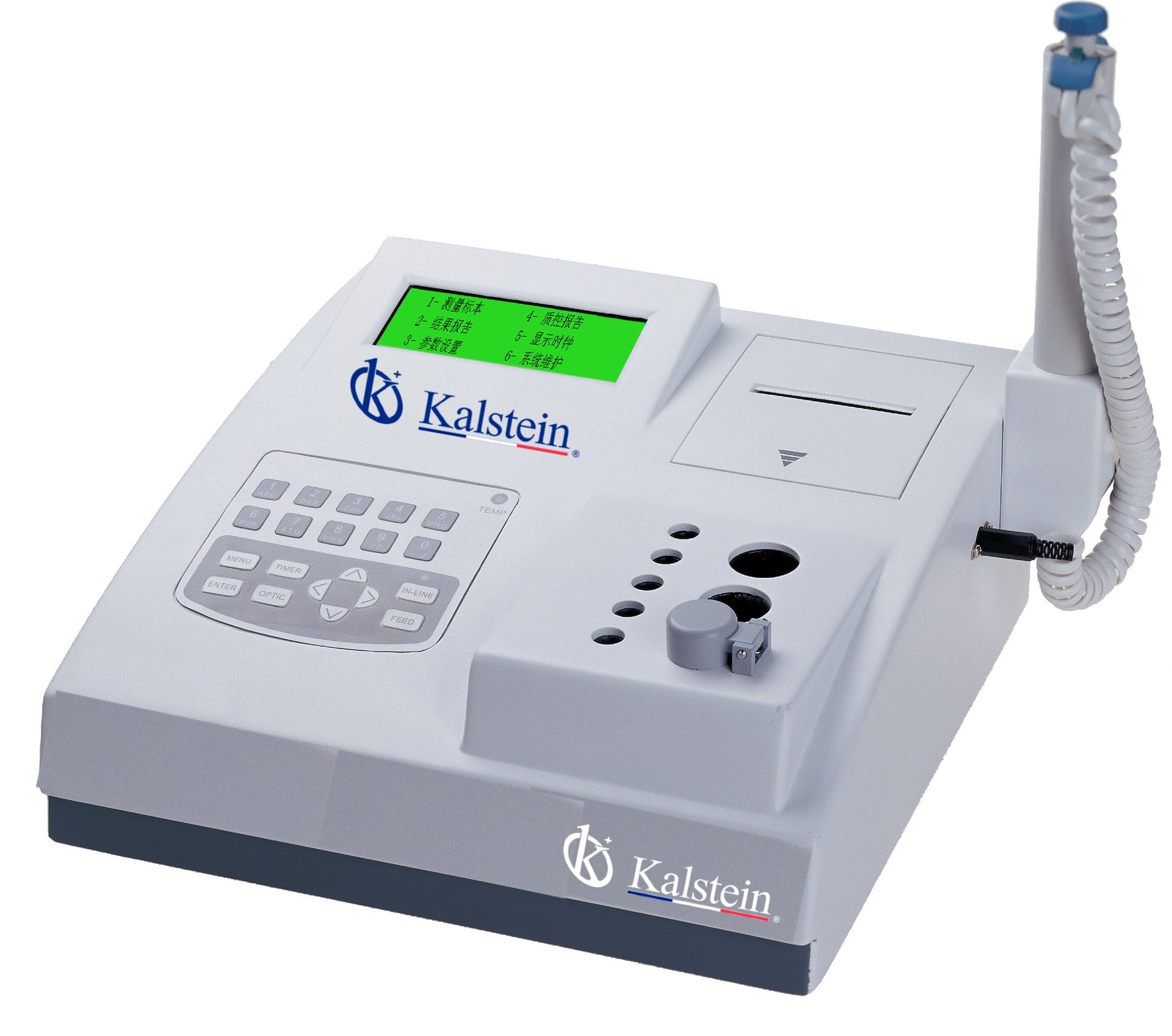
How to Reduce Energy Footprint in Coagulation Analyzers: Strategies and Comparisons
In the modern laboratory, energy efficiency and environmental sustainability are more than just trends; they are essential practices that contribute to a healthier planet and cost-effective operations. Coagulation analyzers play a critical role in hematology, yet their energy consumption can significantly impact laboratory operating costs and the environment. This article explores various strategies to reduce the energy footprint of coagulation analyzers while comparing different models based on how well they meet these sustainability goals.
Understanding the Energy Impact of Coagulation Analyzers
The energy footprint of laboratory equipment, including coagulation analyzers, encompasses the power consumed during operation and the resources used in their maintenance and disposal. High-energy consumption not only incurs additional costs but also contributes to the laboratory's overall environmental impact. Therefore, understanding the energy requirements of different models is crucial for making sustainable choices.
Comparative Analysis of Coagulation Analyzers
| Model | Energy Consumption per Test (kWh) | Reagent Consumption (µL) | Best For |
|---|---|---|---|
| YR05117 | 0.02 | 40 | Routine testing with low reagent use |
| YR05118 | 0.018 | 40 | Enhanced throughput in medium-sized labs |
| YR06083 | 0.05 | 40 | High-volume testing with advanced automation |
| YR06082 | 0.045 | 40 | Automated processes in large-scale operations |
Strategies for Reducing Energy Consumption
There are several strategies laboratories can adopt to minimize the energy consumption of coagulation analyzers:
- Optimize Testing Protocols: Streamlining workflows and reducing unnecessary tests can significantly lower energy use.
- Regular Maintenance: Ensuring that analyzers are well-maintained helps in efficient operation and energy usage.
- Use Energy Efficient Models: Selecting models with lower kWh per test can drastically reduce overall consumption.
- Train Staff: Educating laboratory personnel on energy-saving practices can foster a culture of sustainability.
Technical Comparison of Coagulation Analyzers
When comparing different coagulation analyzers, it is essential to consider their technical specifications and their energy efficiency:
| Model | Test Channels | Heating Precision (°C) | Dispensing Accuracy (CV) |
|---|---|---|---|
| YR05117 | 2 | 37 ± 0.3 | <2% |
| YR05118 | 4 | 37 ± 0.3 | <2% |
| YR06083 | 2 | 37 ± 0.3 | <2% |
| YR06082 | 2 | 37 ± 0.3 | <2% |
Common Mistakes and How to Avoid Them
Many laboratories fail to realize the cumulative impact of energy wastage. Common mistakes include:
- Not regularly monitoring energy consumption for each device.
- Overlooking the importance of energy-efficient model selection.
- Neglecting to train staff on sustainable practices.
To avoid these pitfalls, laboratories should implement regular audits and establish clear guidelines for energy management.
Frequently Asked Questions
How much energy does the YR05117 coagulation analyzer consume per test?
The YR05117 coagulation analyzer consumes approximately 0.02 kWh per test, making it an energy-efficient choice for routine testing in clinical settings.
What are the benefits of using low reagent consumption coagulation analyzers?
Low reagent consumption coagulation analyzers, like the YR05118, not only reduce operational costs but also minimize waste, contributing to more sustainable laboratory practices.
Which coagulation analyzer model is best for high-volume testing?
The YR06083 model is optimized for high-volume testing, providing advanced automation and a higher throughput while maintaining low energy consumption.
What maintenance practices help reduce energy consumption in coagulation analyzers?
Regular maintenance, such as calibration and servicing, ensures that analyzers operate efficiently, which can significantly reduce energy consumption over time.
How can laboratories optimize their workflows to reduce the energy footprint?
By streamlining testing protocols and minimizing unnecessary tests, laboratories can enhance efficiency and reduce the energy footprint associated with coagulation analyzers.
What is the impact of energy-efficient coagulation analyzers on laboratory costs?
Energy-efficient models, such as the YR05118, significantly lower operational costs related to energy consumption, thereby improving the overall financial sustainability of the laboratory.
How do automated coagulation analyzers like the YR06082 compare to manual ones in energy usage?
Automated coagulation analyzers like the YR06082 typically have optimized energy usage patterns and higher throughput rates, resulting in more efficient energy consumption compared to manual models.
What steps can laboratories take to educate staff on energy savings?
Laboratories can provide training sessions, workshops, and resources on best practices for energy savings tailored to the use of coagulation analyzers and other laboratory equipment.
If you are looking for a fusion of innovation and quality, you have come to the right place. At Kalstein, we offer you the luxury of exploring our exclusive catalog of laboratory equipment. We manufacture every device to the highest standards of excellence. Our intuitive and seamless online purchasing channels are designed for your convenience, securing the most competitive prices. Hesitate no longer — we bring science to life, it is time to become part of our community.