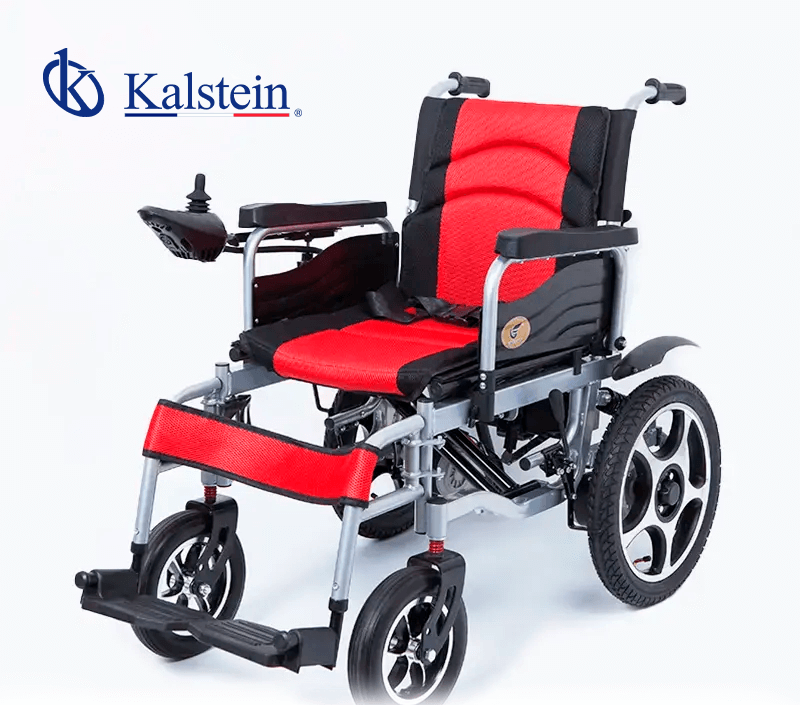
How to Ensure Regulatory Compliance for Electric Wheelchairs with ISO/IEC Standards
In the realm of mobility devices, electric wheelchairs play a vital role in enhancing the quality of life for individuals with mobility challenges. Compliance with ISO/IEC standards is crucial for manufacturers and laboratory professionals who are involved in the testing and evaluation of these devices. This article delves into the specific ISO/IEC regulations pertinent to electric wheelchairs and offers insights into how to achieve and maintain compliance.
Understanding ISO/IEC Standards for Electric Wheelchairs
ISO (International Organization for Standardization) and IEC (International Electrotechnical Commission) set forth several standards that govern the design, testing, and safety of electric wheelchairs. Key standards include ISO 13482 for personal care robots, ISO 7176 for wheelchairs, and IEC 60601 for medical electrical equipment. Understanding these standards is critical for ensuring that electric wheelchairs meet safety and performance criteria.
ISO 7176: A Focus on Wheelchair Performance and Safety
ISO 7176 is a comprehensive standard outlining performance requirements for wheelchairs, including electric models. It covers aspects such as maneuverability, braking efficiency, and stability. Compliance with ISO 7176 not only assures users of safety but also enhances usability. Electric wheelchairs like the YR05440 are designed with this standard in mind, featuring robust braking systems and stability controls that adhere to ISO specifications.
IEC 60601: Safety and Essential Performance of Medical Equipment
The IEC 60601 standard focuses on the safety and essential performance of medical electrical equipment, including electric wheelchairs. Compliance ensures that devices are tested for electrical safety, electromagnetic compatibility, and risk management. Models such as YR05442 benefit from adherence to this standard, making them suitable for healthcare environments where patient safety is paramount.
Documentation Requirements for Compliance
Maintaining regulatory compliance goes beyond product design; it requires thorough documentation. Manufacturers must provide technical files that include test reports, risk assessments, and user manuals compliant with ISO/IEC standards. This documentation is essential during audits and must be readily available for evaluation by regulatory bodies.
Audit Checklists and Compliance Verification
Conducting regular audits is an effective strategy to ensure ongoing compliance with ISO/IEC standards. An audit checklist should include key areas such as design verification, production processes, and post-market surveillance. For electric wheelchairs like YR05441, a comprehensive audit can identify compliance gaps and areas for improvement.
Traceability in Electric Wheelchair Manufacturing
Traceability is a critical component of regulatory compliance, allowing manufacturers to track components and materials used in electric wheelchairs. This ensures that any recalls or safety issues can be addressed promptly. Implementing traceability systems can be particularly beneficial for models such as YR05443, which feature advanced technology and components.
Comparison of Available Models
| Model | ISO/IEC Clauses Covered | Traceability Features | Best For |
|---|---|---|---|
| YR05440 | ISO 7176 | Full traceability of components | Lightweight transport |
| YR05441 | IEC 60601 | Documented material sources | Adjustable support |
| YR05442 | ISO 13482 | Component sourcing traceability | Outdoor use |
| YR05443 | ISO 7176 | Assembly verification logs | Remote control functionality |
| YR05444 | IEC 60601 | Supplier audits | Bluetooth control |
| YR05445 | ISO 7176 | Quality assurance checks | Lightweight design |
Common Mistakes and How to Avoid Them
Even experienced manufacturers can fall into compliance traps. Common mistakes include failing to keep documentation up-to-date, misunderstanding standard requirements, and neglecting post-market surveillance. To avoid these pitfalls, regular training for staff on ISO/IEC standards and establishing a compliance culture within the organization is essential.
Frequently Asked Questions
How do ISO standards apply to electric wheelchairs like YR05440?
ISO standards ensure that electric wheelchairs like the YR05440 meet safety and performance requirements. Standards such as ISO 7176 outline essential testing protocols for stability and maneuverability, which are critical for user safety.
What are the key ISO/IEC standards for electric wheelchair design?
Key standards include ISO 7176 for performance and IEC 60601 for safety of medical electrical equipment. Compliance with these standards is essential for models like YR05442 to be considered safe and effective for users.
How can compliance improve electric wheelchair performance?
Compliance with ISO/IEC standards can enhance performance by ensuring that wheelchairs like YR05441 are rigorously tested for safety, reliability, and usability, leading to higher user satisfaction and safety.
Where can I find documentation for electric wheelchair standards?
Documentation for electric wheelchair standards can often be found on ISO and IEC official websites. Manufacturers of models like YR05443 must maintain updated technical files that include compliance certificates and testing results.
Why is traceability important for electric wheelchair manufacturers?
Traceability is crucial for electric wheelchair manufacturers to track components and materials. Models like YR05444 benefit from traceability as it ensures accountability and can aid in recall processes if safety issues arise.
What role does auditing play in maintaining compliance for electric wheelchairs?
Auditing plays a vital role in ensuring ongoing compliance for electric wheelchairs. Regular audits help identify compliance gaps and ensure that models like YR05445 continue to meet ISO/IEC standards throughout their lifecycle.
How often should electric wheelchairs be tested for compliance?
Electric wheelchairs should be tested for compliance at every production cycle, and models like YR05440 should undergo periodic reviews to ensure they continue to meet ISO/IEC standards as regulations evolve.
What are the consequences of non-compliance for electric wheelchair manufacturers?
Non-compliance can lead to legal penalties, product recalls, and loss of market reputation. For manufacturers of models like YR05441, ensuring compliance with ISO/IEC standards is essential to mitigate these risks.
If you are looking for a fusion of innovation and quality, you have come to the right place. At Kalstein, we offer you the luxury of exploring our exclusive catalog of laboratory equipment. We manufacture every device to the highest standards of excellence. Our intuitive and seamless online purchasing channels are designed for your convenience, securing the most competitive prices. Hesitate no longer — we bring science to life, it is time to become part of our community.