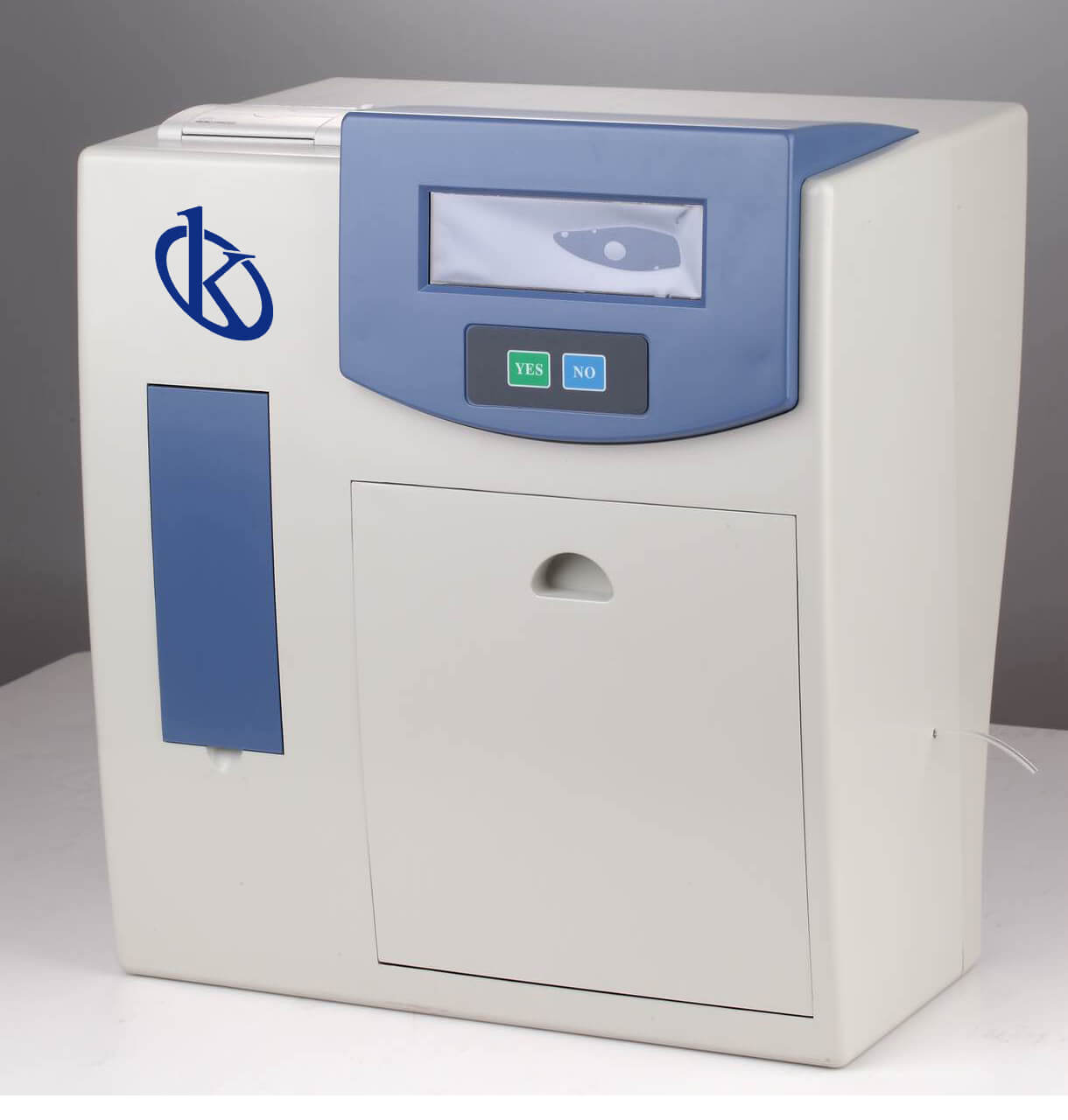
How to Ensure Regulatory Compliance with Electrolyte Analyzers in Laboratories
In laboratory settings, maintaining compliance with ISO/IEC standards is intrinsically linked to the reliability of results produced by various analyzers, including electrolyte analyzers. These devices are crucial for accurate electrolyte measurement in clinical samples, influencing patient care and laboratory credibility. The challenge lies in aligning the performance of these analyzers with the stringent requirements of standards like ISO 17025, particularly as we approach new benchmarks set for 2026.
Understanding ISO/IEC Standards Relevant to Electrolyte Analyzers
ISO/IEC standards define the requirements for laboratories, ensuring consistency, safety, and accuracy. Key standards affecting electrolyte analyzers include:
- ISO 17025: This standard outlines the general requirements for the competence of testing and calibration laboratories, encompassing elements such as management and technical requirements.
- ISO 15189: This standard is specific to medical laboratories, detailing the quality management system and competence in laboratory medicine.
- IEC 61010: This standard specifies the safety requirements for electrical equipment used in measurement, control, and laboratory applications.
How Electrolyte Analyzers Meet ISO/IEC Compliance
Electrolyte analyzers like the YR05169 and YR06391 incorporate features designed to facilitate compliance with these standards. For instance, the YR05169 offers automatic calibration and real-time diagnostics, ensuring that the analyzer operates within specified parameters, thus adhering to ISO 17025 standards. Similarly, the YR06391, with its user-friendly interface and low operational costs, supports laboratories in maintaining efficient compliance processes.
Key Compliance Features of Specific Models
| Model | ISO/IEC Clauses Covered | Traceability Features | Best For |
|---|---|---|---|
| YR05169 | ISO 17025, IEC 61010 | Automatic calibration, real-time diagnostics | General laboratories |
| YR06391 | ISO 15189, IEC 61010 | User-friendly interface, cost-effective consumables | Clinical settings |
| YR06392 | ISO 17025 | Multiple analyte testing | Research laboratories |
| YR06393 | ISO 15189 | Fast measurement speed | High-throughput labs |
| YR06394 | ISO 17025, IEC 61010 | Interactive touchscreen | Intermediate laboratories |
| YR06395 | ISO 15189 | Low cost of ownership | Start-up clinics |
Documentation Requirements for Compliance
Each ISO/IEC standard imposes specific documentation requirements. Laboratories must maintain proper records of calibration, maintenance logs, and quality control checks to demonstrate compliance. For example, the YR05169's calibration history can be automatically logged, ensuring that all necessary documentation is readily available for audits.
Common Mistakes and How to Avoid Them
Laboratories often fall short in compliance due to a lack of understanding of the requirements. Here are some common pitfalls:
- Neglecting regular calibration and maintenance checks, which can lead to inaccurate results.
- Failing to document operational procedures meticulously, making it difficult to provide evidence during audits.
- Choosing analyzers that do not meet the latest standards, resulting in non-compliance.
To avoid these mistakes, labs should establish a regular schedule for maintenance, ensure proper training for staff, and select models like the YR06391 that align with compliance needs.
Integration with Laboratory Information Management Systems (LIMS)
Integration of electrolyte analyzers with LIMS can streamline compliance processes by ensuring that all data is recorded and accessible. Features to consider include:
- Data export capabilities to ensure smooth integration with LIMS.
- Real-time data entry to maintain ongoing compliance documentation.
- Interoperability with various protocols, allowing seamless connectivity between devices.
The YR06391, for instance, supports multiple protocols, facilitating integration with existing LIMS solutions.
Calibration and Maintenance Strategies
Regular calibration is essential to meet ISO/IEC standards. Laboratories should implement a comprehensive calibration schedule based on manufacturer recommendations and internal protocols. For example:
| Model | Calibration Frequency | Recommended Calibration Method |
|---|---|---|
| YR05169 | Daily | Automatic two-point calibration |
| YR06391 | Weekly | Standard calibration with reference solutions |
| YR06392 | Bi-weekly | Internal quality control checks |
Future Directions in Compliance Standards
As we look toward 2026, laboratories must prepare for evolving compliance standards that may increase the stringency of operational protocols. Staying informed about changes in ISO/IEC regulations is crucial. Continuous training and investment in compliant technologies will ensure laboratories remain at the forefront of quality assurance.
Frequently Asked Questions
What are the key ISO/IEC standards for electrolyte analyzers in laboratories?
ISO 17025 and ISO 15189 are critical standards for electrolyte analyzers in laboratories, ensuring accuracy and reliability in testing. Models like the YR05169 and YR06391 are designed to comply with these standards, providing features that support quality assurance.
How does the YR06391 support compliance with ISO 15189?
The YR06391 facilitates compliance with ISO 15189 through its user-friendly design and low operational costs. Its ability to measure multiple analytes efficiently ensures that laboratories can meet regulatory requirements without compromising quality.
Which features make the YR05169 compliant with ISO 17025?
The YR05169 features automatic calibration and real-time diagnostics, crucial for adherence to ISO 17025. These features help maintain the analyzer's performance within specified limits, ensuring reliable test results.
What is the importance of calibration frequency for electrolyte analyzers?
Calibration frequency is essential for ensuring the accuracy of electrolyte analyzers. Models like the YR05169 require daily calibration to maintain compliance with ISO standards, avoiding potential discrepancies in test results.
How can laboratories ensure proper documentation for compliance?
Maintaining comprehensive documentation is vital for compliance. Laboratories should keep detailed logs of calibration, maintenance, and quality control checks. The YR05169 automates these processes, simplifying compliance efforts.
What are the benefits of integrating electrolyte analyzers with LIMS?
Integrating electrolyte analyzers like the YR06391 with LIMS streamlines data management, ensuring real-time tracking of test results and compliance documentation. This integration helps uphold quality standards and facilitates audits.
How does the YR06392 compare in compliance features to other models?
The YR06392 provides robust compliance features, including multiple analyte testing capabilities and regular calibration needs, similar to the YR06391, making it suitable for diverse laboratory settings focused on quality.
What is the role of operator training in maintaining compliance?
Operator training is critical to maintaining compliance. Ensuring staff are knowledgeable about the operation and calibration of models like the YR05169 helps prevent errors that could compromise compliance with ISO standards.
If you are looking for a fusion of innovation and quality, you have come to the right place. At Kalstein, we offer you the luxury of exploring our exclusive catalog of laboratory equipment. We manufacture every device to the highest standards of excellence. Our intuitive and seamless online purchasing channels are designed for your convenience, securing the most competitive prices. Hesitate no longer — we bring science to life, it is time to become part of our community.