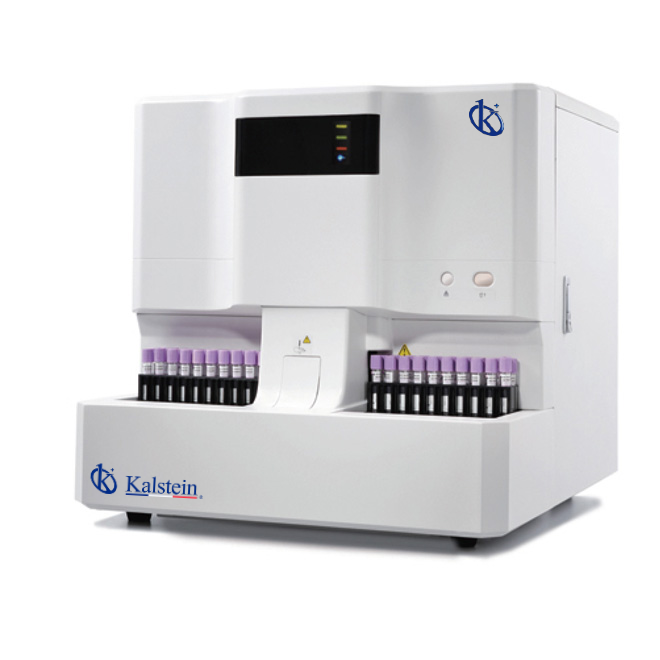
How to Ensure Regulatory Compliance in Hematology Analyzers Using ISO/IEC Standards
In today's laboratory environment, ensuring compliance with ISO/IEC standards is critical for hematology analyzers. This article explores the various ISO/IEC standards relevant to hematology testing and how leading models meet these regulatory requirements, enhancing operational efficiency and accuracy.
Understanding ISO/IEC Standards for Hematology Analyzers
ISO/IEC standards establish criteria for quality, safety, and efficiency in laboratory operations. For hematology analyzers, adhering to these standards is essential not only for regulatory compliance but also for ensuring that test results are reliable and reproducible. Key standards include ISO 17025, which focuses on testing and calibration laboratories; ISO 15189, which specifies requirements for quality and competence in medical laboratories; and IEC 61010, addressing safety requirements for electrical equipment used in laboratories.
Key ISO Standards Applicable to Hematology Analyzers
ISO 17025: General Requirements for the Competence of Testing and Calibration Laboratories
This standard is crucial for laboratories that wish to demonstrate their ability to produce valid and reliable test results. Hematology analyzers like the Automatic Hematology Analyzer YR06080 provide comprehensive documentation and traceability features that help laboratories maintain compliance with ISO 17025 requirements.
ISO 15189: Medical Laboratories – Particular Requirements for Quality and Competence
ISO 15189 sets out the criteria for quality management systems specific to medical laboratories. Analyzers such as the YR05123 excel in meeting these criteria with built-in quality control features and automated calibration processes, ensuring stringent adherence to this standard.
IEC 61010: Safety Requirements for Electrical Equipment for Measurement, Control, and Laboratory Use
Safety is paramount in laboratory settings. Hematology analyzers like the YR05122-1 are designed to comply with IEC 61010 standards, ensuring operational safety for laboratory personnel through robust engineering and safety measures.
Benefits of Compliance with ISO/IEC Standards
Compliance with ISO/IEC standards offers laboratories various benefits, including enhanced credibility, improved operational efficiency, and increased confidence from stakeholders. By utilizing compliant hematology analyzers, laboratories can ensure consistency in test results, which is essential for patient safety and clinical decision-making.
Model Comparison: How Each Analyzer Aligns with ISO/IEC Standards
| Model | ISO/IEC Clauses Covered | Traceability Features | Best for |
|---|---|---|---|
| YR06080 | ISO 17025, ISO 15189 | Comprehensive documentation, automated record-keeping | High-volume testing environments |
| YR05123 | ISO 15189 | Automated calibration checks | Routine blood testing |
| YR05122-1 | IEC 61010 | Safety compliance features | General hematological evaluations |
| YR05122 | ISO 15189 | Integrated quality control mechanisms | Small to medium laboratories |
| YR05121 | ISO 17025, IEC 61010 | Traceable results, safety protocols | Comprehensive testing needs |
| YR05120 | ISO 15189 | Automated data logging | Cost-effective testing |
Common Mistakes and How to Avoid Them
Laboratories often make several mistakes when it comes to regulatory compliance. One common error is failing to keep documentation up to date. It is essential to have accurate logs of all calibration and maintenance activities for all hematology analyzers, especially those like the YR06080 that process a large volume of samples. Regular audits can help identify compliance gaps and areas needing improvement.
Best Practices for Maintaining Regulatory Compliance
To maintain compliance with ISO/IEC standards, it is vital to establish a quality management system that incorporates regular training for laboratory personnel. Utilizing models such as the YR05123 with integrated safety features and automated processes can significantly reduce the risk of human error and ensure ongoing compliance.
Frequently Asked Questions
What are the ISO standards that hematology analyzers must comply with?
Hematology analyzers must comply with several ISO standards, including ISO 17025 and ISO 15189. For example, the Automatic Hematology Analyzer YR06080 incorporates features that support compliance with these standards, ensuring reliable results.
How does the YR05123 meet ISO 15189 requirements?
The YR05123 is designed to meet ISO 15189 requirements by incorporating automated quality control and calibration processes that ensure accurate and reliable hematological analysis, crucial for compliance in medical laboratories.
What role does traceability play in compliance for hematology analyzers?
Traceability is essential for compliance as it ensures that all test results can be linked back to specific standards and protocols. Models like the YR05122-1 provide detailed documentation and traceability features that support compliance with ISO standards.
How can laboratories ensure safety compliance with IEC 61010?
Laboratories can ensure safety compliance with IEC 61010 by selecting hematology analyzers like the YR05121, which are specifically designed to meet safety requirements, thus protecting both the equipment and laboratory personnel.
What documentation is required for ISO 17025 compliance in hematology testing?
ISO 17025 compliance requires comprehensive documentation of calibration, maintenance, and quality control processes. Hematology analyzers such as the YR06080 help maintain this documentation through automated record-keeping systems.
How often should hematology analyzers undergo calibration to remain compliant?
Calibration frequency often depends on laboratory protocols and analyzer usage. A good practice is to follow manufacturer guidelines and perform regular calibrations on analyzers like the YR05123 to ensure compliance with ISO standards.
What are the key features to look for in compliant hematology analyzers?
Key features include automated calibration, quality control mechanisms, and traceability. Analyzers such as the YR05122 incorporate these features, ensuring they meet necessary ISO/IEC compliance standards effectively.
How do hematology analyzers aid in achieving regulatory compliance in laboratories?
Hematology analyzers facilitate regulatory compliance by providing accurate, traceable results, and incorporating quality control measures. The YR06080 is a prime example, meeting various ISO/IEC standards essential for laboratory operation.
If you are looking for a fusion of innovation and quality, you have come to the right place. At Kalstein, we offer you the luxury of exploring our exclusive catalog of laboratory equipment. We manufacture every device to the highest standards of excellence. Our intuitive and seamless online purchasing channels are designed for your convenience, securing the most competitive prices. Hesitate no longer — we bring science to life, it is time to become part of our community.