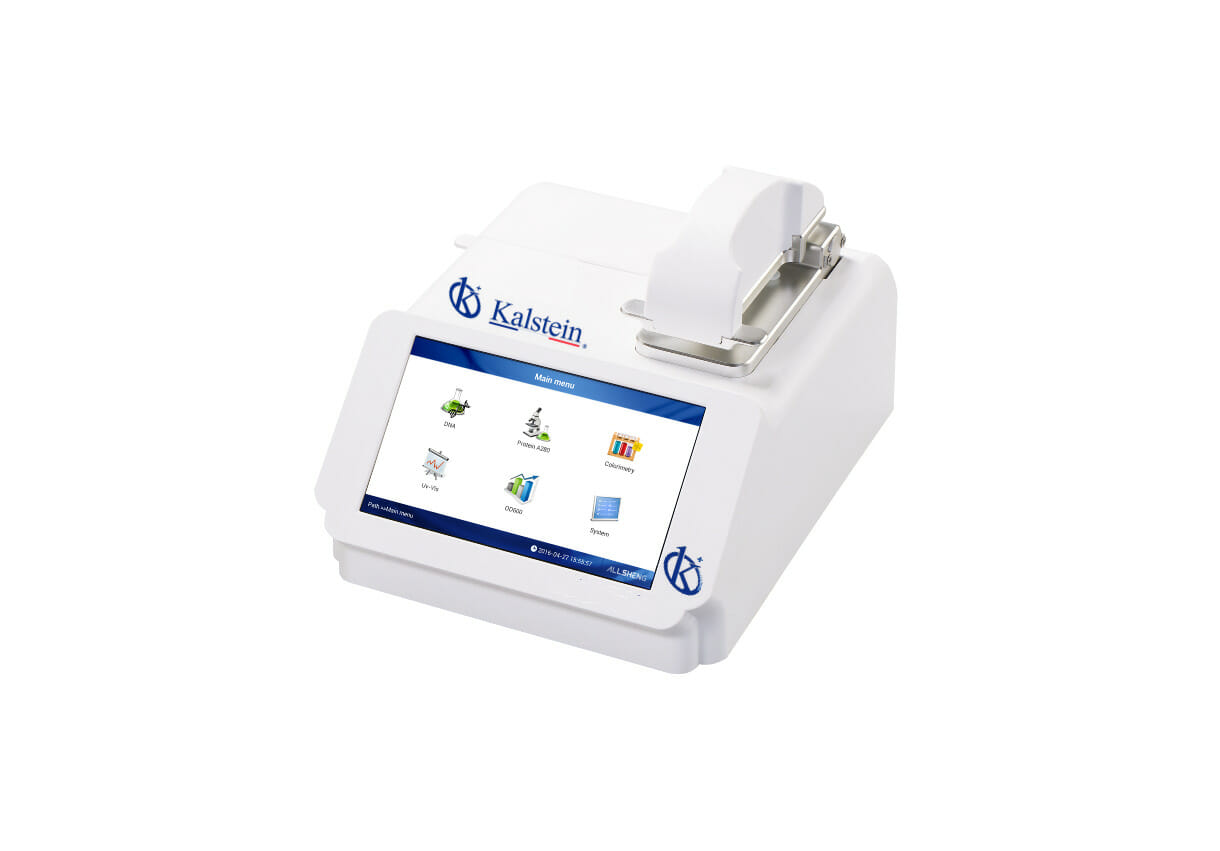
Regulatory Compliance in Laboratories: A Deep Dive into Micro-Spectrophotometers and ISO Standards
Laboratories are under increasing pressure to ensure compliance with a myriad of regulatory standards. Micro-spectrophotometers play a pivotal role in this landscape, especially in meeting specific ISO standards. This article explores how various models of micro-spectrophotometers can aid laboratories in adhering to these compliance requirements. We will delve into the specifics of relevant ISO standards, the unique features of different models, and best practices for maintaining regulatory compliance.
Understanding ISO Standards and Their Importance in Laboratory Settings
ISO standards are crucial for laboratories that aim to ensure quality and reliability in their results. Standards such as ISO 17025, which focuses on the competence of testing and calibration laboratories, and ISO 15189, which pertains to medical laboratories, emphasize the need for rigorous quality management systems. These standards help laboratories demonstrate their ability to produce valid and reliable results, which are essential for informed decision-making in clinical and research settings.
ISO 17025: Key Requirements and How Micro-Spectrophotometers Fit In
ISO 17025 sets forth requirements that laboratories must meet to demonstrate their technical competence. Among these are requirements for equipment calibration, validation of methods, and quality assurance. Micro-spectrophotometers such as the YR06033-1 contribute significantly to compliance with these standards. For example, the YR06033-1 features a precision of ±1 nm in wavelength accuracy, which is critical for accurate measurements in nucleic acid quantification.
ISO 15189: Compliance and the Role of Micro-Spectrophotometers
ISO 15189 emphasizes quality management in medical laboratories. The integration of micro-spectrophotometers in clinical settings helps to ensure compliance with this standard. The YR06034, for instance, offers rapid analysis of DNA and RNA concentrations with sample sizes as low as 1-2 μl, allowing for efficient throughput while maintaining high quality. This efficiency is crucial for laboratories aiming to meet the stringent requirements outlined in ISO 15189.
IEC Standards: Ensuring Safety and Compliance in Laboratory Equipment
The IEC 61010 standard outlines the safety requirements for electrical equipment used in laboratories. Micro-spectrophotometers must comply with these standards to ensure operator safety. Models like the YR06035 integrate safety features while delivering high performance in micro-volume measurements. This dual focus on safety and performance facilitates compliance with IEC standards, ensuring that laboratories can operate without compromising safety.
Common Compliance Challenges and How to Overcome Them
Many laboratories struggle to maintain compliance due to outdated equipment, lack of proper training, or insufficient documentation. Utilizing modern micro-spectrophotometers can mitigate these challenges. For instance, the YR06033 provides built-in data logging and USB output for easy documentation, which is essential for compliance audits. Regular training and updates on ISO standards can further empower laboratory personnel to uphold compliance.
Comparison of Available Models
| Model | ISO/IEC Clauses Covered | Traceability Features | Best For |
|---|---|---|---|
| YR06033-1 | ISO 17025, IEC 61010 | USB logging, high precision detection | Nucleic acid and protein analysis |
| YR06034 | ISO 15189 | Direct sample measurement, minimal waste | Clinical laboratories |
| YR06035 | IEC 61010 | Integrated safety features, real-time data analysis | Advanced research applications |
Common Mistakes and How to Avoid Them
One of the most common mistakes in laboratories regarding compliance is neglecting equipment calibration. Regular calibration of micro-spectrophotometers is essential for ensuring accurate results. Additionally, inadequate documentation can lead to compliance failures; thus, utilizing models like the YR06033 that offer data logging can help avoid this pitfall. Training staff on regulatory requirements is also vital to maintain compliance effectively.
Frequently Asked Questions
How can a micro-spectrophotometer help with ISO 17025 compliance in laboratories?
A micro-spectrophotometer like the YR06033-1 provides precise wavelength accuracy and data logging capabilities, which are essential for maintaining compliance with ISO 17025. The ability to accurately measure nucleic acids ensures that results are reliable and traceable, thus supporting compliance efforts.
What specific features should I look for in a micro-spectrophotometer for ISO 15189 compliance?
When seeking ISO 15189 compliance, look for features like low sample volume requirements, such as the 1-2 μl needed for the YR06034. This model also allows for direct sample placement, reducing contamination risks and ensuring accurate nucleic acid measurements critical for clinical applications.
What is the role of IEC compliance in selecting laboratory equipment like micro-spectrophotometers?
IEC compliance ensures that laboratory equipment meets safety standards. The YR06035 is compliant with IEC 61010, which guarantees that it has integrated safety features that protect operators while delivering high performance in spectrophotometric measurements.
How do I ensure proper calibration of micro-spectrophotometers in my laboratory?
Establish a regular calibration schedule based on the manufacturer's recommendations and your laboratory's usage. Using models like the YR06033 that provide detailed data logging can assist in maintaining accurate calibration records essential for compliance with standards such as ISO 17025.
Which micro-spectrophotometer model is best for high-throughput laboratories?
The YR06035 is ideal for high-throughput laboratories as it offers rapid data acquisition with a measurement time of less than 6 seconds. This efficiency is crucial for laboratories that require fast turnaround times while ensuring compliance with ISO standards.
What documentation is necessary for compliance with ISO standards using micro-spectrophotometers?
Documentation should include calibration records, maintenance logs, and performance verification results. Utilizing models like the YR06034, which offers USB data output, can facilitate easy record-keeping, ensuring compliance with ISO 15189 and other relevant standards.
How can I integrate micro-spectrophotometers into my laboratory's quality management system?
Incorporate the use of micro-spectrophotometers into your quality management system by using models like the YR06033 that support data recording and compliance tracking. Align operational protocols with ISO standards to ensure that all equipment contributes to overall lab quality.
What are the key considerations for selecting a micro-spectrophotometer for compliance?
Consider factors such as measurement precision, data logging capabilities, compliance with ISO and IEC standards, and the specific applications you need to address. Models like the YR06035 excel in both performance and safety, making them suitable for various laboratory settings.
If you are looking for a fusion of innovation and quality, you have come to the right place. At Kalstein, we offer you the luxury of exploring our exclusive catalog of laboratory equipment. We manufacture every device to the highest standards of excellence. Our intuitive and seamless online purchasing channels are designed for your convenience, securing the most competitive prices. Hesitate no longer — we bring science to life, it is time to become part of our community.