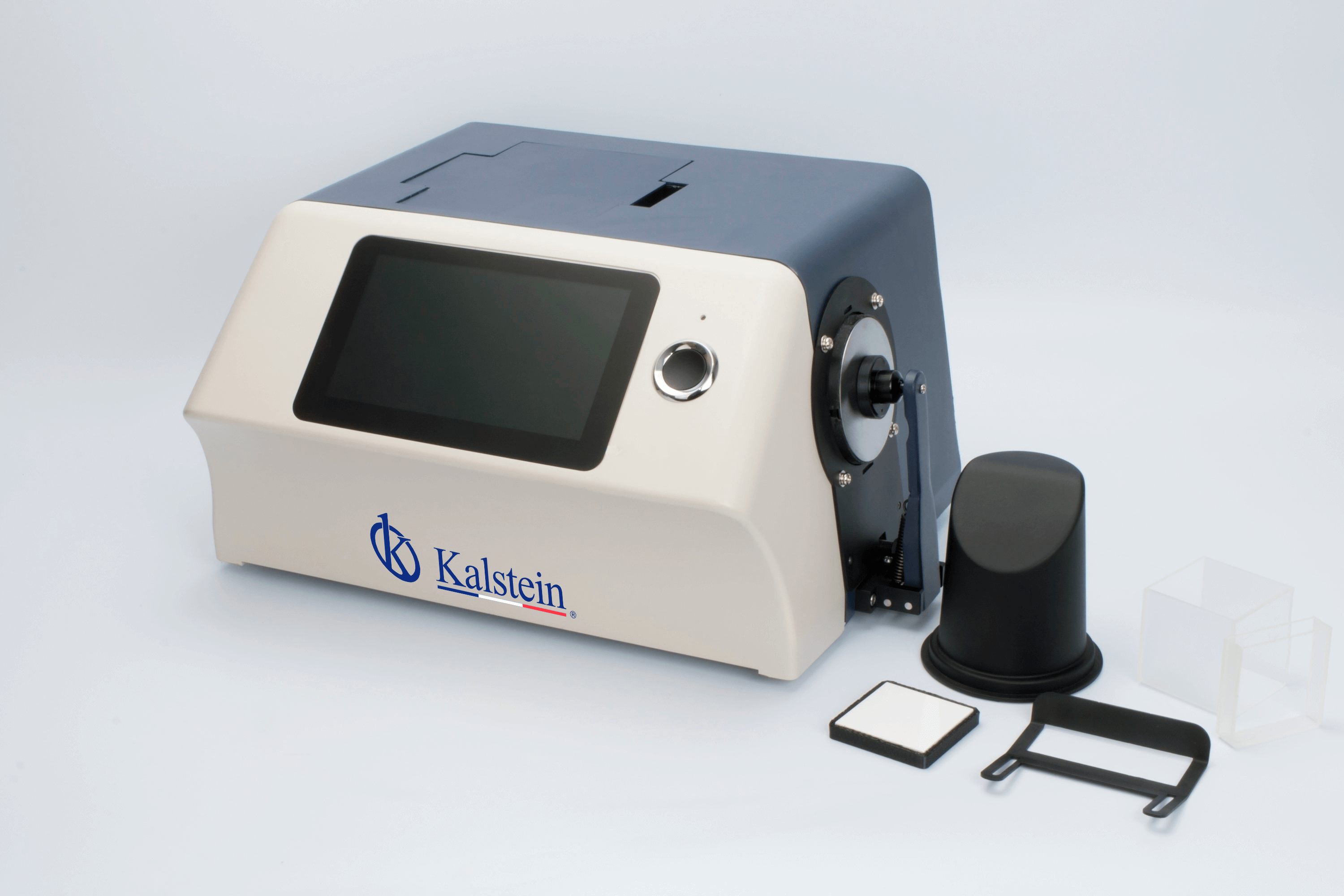
Understanding ROI and Cost-Benefit Analysis for Benchtop Spectrophotometers
In the fast-paced laboratory environment, understanding the return on investment (ROI) and conducting a thorough cost-benefit analysis are crucial when selecting laboratory equipment such as benchtop spectrophotometers. With multiple models available, each offering unique features and specifications, laboratory professionals must evaluate which instruments align best with their operational goals and financial constraints.
Framing the Family: Benchtop Spectrophotometers in Cost-Benefit Context
Benchtop spectrophotometers offer substantial benefits for laboratories focusing on color analysis and material characterization. Assessing their ROI involves weighing initial costs against long-term operational savings and efficiencies. These instruments are essential for tasks that require precise color measurement and analysis, particularly in research and development, quality control, and academic settings.
Comparison of Available Models
| Model | CAPEX (USD) | Cost per Test | Payback (Months) | Recommended Scenario |
|---|---|---|---|---|
| YR05474 | 6430.00 | 0.50 | 12 | R&D laboratories requiring high precision |
| YR05475 | 4695.00 | 0.40 | 10 | Color analysis in quality control |
| YR05476 | 6430.00 | 0.55 | 13 | Laboratories focusing on color measurement |
| YR05477 | 4695.00 | 0.35 | 9 | General color measurement and analysis |
| YR05478 | 4445.00 | 0.30 | 8 | Multi-industry applications |
| YR05482 | 4950.00 | 0.45 | 11 | Non-contact measurements for sensitive samples |
Key Considerations for ROI Evaluation
To accurately assess the ROI of benchtop spectrophotometers, laboratories should consider both capital expenditure (CAPEX) and operational expenditure (OPEX). CAPEX includes the purchase price and installation costs, while OPEX includes maintenance, consumables, and staff training. By calculating the payback period, laboratories can determine how quickly they will recoup their initial investment through operational savings.
Cost-Per-Test Analysis
The cost per test is a critical metric in evaluating the efficiency of benchtop spectrophotometers. By analyzing the amount spent on consumables and maintenance over a specific operating period, laboratories can benchmark against other instruments to identify potential savings. For example, models like YR05478 and YR05477 offer competitive cost-per-test metrics, making them ideal for high-throughput environments.
Common Operational Mistakes and How to Avoid Them
Laboratories often make several common mistakes that can negatively impact ROI. Failing to consider long-term operational costs, neglecting regular maintenance, and underutilizing equipment can lead to increased expenses. To avoid these pitfalls, labs should conduct a comprehensive analysis before purchasing, ensure regular maintenance schedules are adhered to, and train staff adequately on the equipment to maximize its use.
Understanding Total Cost of Ownership (TCO)
Total Cost of Ownership (TCO) encompasses all costs associated with the lifecycle of laboratory equipment, from acquisition through disposal. For benchtop spectrophotometers, understanding TCO helps laboratories make informed decisions. For instance, while YR05474 has a higher upfront cost, its durability and low operational costs may make it a more favorable long-term investment compared to lower-cost alternatives.
Integrating Spectrophotometers in Laboratory Workflows
Successful integration of benchtop spectrophotometers into laboratory workflows can enhance productivity and efficiency. By standardizing procedures and leveraging software tools, laboratories can streamline the data collection and analysis process, leading to faster decision-making and reduced operational costs. The advanced software capabilities of models like YR05476 can significantly aid in this integration.
Best Practices for Cost Reduction in Spectrophotometry
Implementing best practices can help laboratories reduce costs associated with spectrophotometry without compromising quality. Regular calibration and performance checks, selecting the right model based on specific applications, and optimizing the use of consumables can lead to substantial savings. For example, the YR05482 model's non-contact capabilities save on consumable costs while ensuring high accuracy.
Frequently Asked Questions
What is the typical ROI for benchtop spectrophotometers used in laboratories?
The ROI for benchtop spectrophotometers can vary widely based on the model and application. For instance, models like YR05474 can offer a payback period of around 12 months, making them a viable option for research laboratories focusing on high-precision color analysis.
How can I reduce operational costs when using benchtop spectrophotometers?
Reducing operational costs involves regular maintenance, optimizing the selection of consumables, and employing efficient workflows. The YR05475 model is known for its cost-effectiveness, offering a low cost per test that can significantly help manage laboratory budgets.
What factors should I consider for cost-benefit analysis of spectrophotometers?
When conducting a cost-benefit analysis, consider factors such as initial purchase cost, maintenance expenses, expected lifespan, and throughput. The YR05476 model, for instance, balances initial investment with low ongoing costs, making it beneficial in high-use environments.
How does the payback period vary among different spectrophotometer models?
The payback period can vary significantly depending on the model's initial cost and operational efficiencies. For example, the YR05478 may have a shorter payback period due to its lower operational costs, making it ideal for laboratories looking to maximize their investment quickly.
What is the impact of regular maintenance on the ROI of spectrophotometers?
Regular maintenance is crucial for maintaining accuracy and prolonging the lifespan of spectrophotometers. Neglecting maintenance can lead to increased operational costs and reduced ROI. For instance, the YR05482 model requires routine checks to ensure its non-contact measurements remain reliable.
How do I determine the best model of benchtop spectrophotometer for my laboratory?
Determining the best model involves evaluating your specific needs, including measurement accuracy, throughput, and budget constraints. The YR05477 offers flexibility for various applications, making it a strong contender for laboratories requiring a versatile spectrophotometer.
What are the advantages of investing in higher-end spectrophotometer models?
Investing in higher-end models like the YR05474 often results in better durability, lower operational costs, and enhanced measurement capabilities. These advantages can lead to improved productivity and a quicker ROI, especially in environments requiring precise color measurements.
If you are looking for a fusion of innovation and quality, you have come to the right place. At Kalstein, we offer you the luxury of exploring our exclusive catalog of laboratory equipment. We manufacture every device to the highest standards of excellence. Our intuitive and seamless online purchasing channels are designed for your convenience, securing the most competitive prices. Hesitate no longer — we bring science to life, it is time to become part of our community.