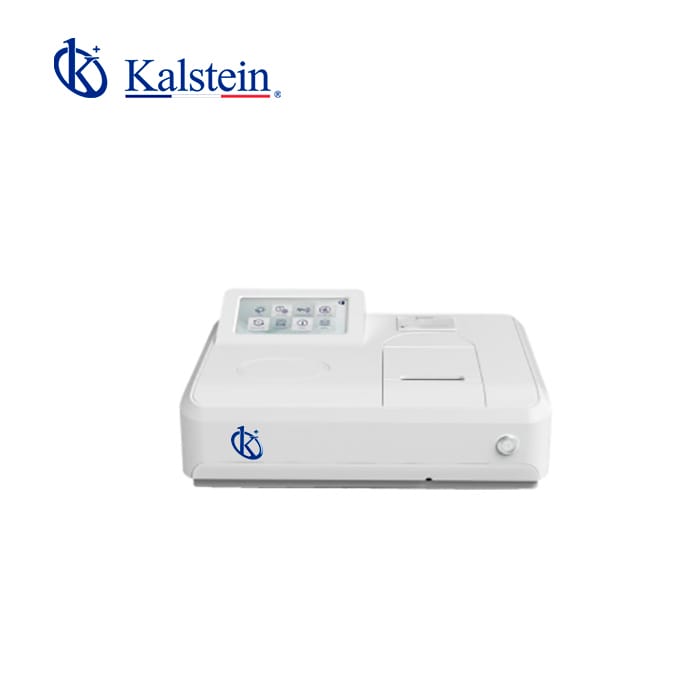
ROI and Cost-Benefit Analysis for COD/BOD Analyzers in Laboratories
In the contemporary laboratory environment, maximizing return on investment (ROI) is crucial, especially when it comes to COD (Chemical Oxygen Demand) and BOD (Biochemical Oxygen Demand) analyzers. These instruments not only play a vital role in environmental monitoring but also represent significant capital expenditures for laboratories. This article focuses on the cost-benefit analysis of various models of COD/BOD analyzers, enabling laboratory professionals to make informed decisions for their operations.
Understanding the Importance of ROI in Laboratory Equipment
Return on investment (ROI) is a key performance indicator that helps laboratory managers assess the profitability of their investments. For laboratory equipment, particularly COD/BOD analyzers, understanding the ROI involves analyzing both the initial costs and the ongoing operational expenses. A thorough evaluation must include factors like purchase price, maintenance costs, consumables, and expected lifespan. By calculating ROI, lab managers can prioritize investments that offer better performance and cost efficiency.
Comparison of Available Models
| Model | CAPEX (USD) | Cost per Test (USD) | Payback (Months) | Recommended Scenario |
|---|---|---|---|---|
| YR06295 | 600.00 | 1.50 | 12 | Medium-sized labs |
| YR06296 | 300.00 | 1.00 | 10 | Field testing |
| YR06297 | 1650.00 | 2.20 | 14 | High-throughput labs |
| YR06298 | 300.00 | 1.40 | 8 | Versatile laboratory settings |
Quantitative Breakdown of Cost-Benefit Analysis
When assessing the cost-benefit of COD/BOD analyzers, it is essential to implement a quantitative breakdown. This breakdown should include the analysis of capital expenditures (CAPEX) versus operational expenditures (OPEX). For instance, choosing the YR06295 model not only involves an initial cost of $600 but also a cost of $1.50 per test. Over time, this model can yield significant savings compared to higher-priced models.
Operational Costs and Consumables
Operational costs significantly impact the overall ROI of laboratory instruments. For COD/BOD analyzers, consumables are an ongoing expense that needs to be accounted for. Analyzers like the YR06296 offer lower consumable costs due to their efficient design, which can reduce the overall cost per test. Understanding the long-term consumables costs can help laboratories select the right equipment based on their testing volume and frequency.
Payback Period Analysis
The payback period is the time it takes for an investment to generate enough returns to recover the initial cost. For instance, the YR06298 model, with its competitive testing capabilities, can potentially pay back its initial investment within eight months, assuming consistent use and proper maintenance. Performing a thorough payback analysis enables lab managers to project cash flows and understand the financial viability of their laboratory equipment investments.
Common Mistakes in Analyzing ROI
Many laboratory managers overlook critical factors when assessing ROI for COD/BOD analyzers. One common mistake is failing to factor in all hidden costs, such as maintenance, training, and consumables. Additionally, neglecting to compare multiple models can lead to suboptimal decisions. For example, not considering the YR06296’s lower initial cost and ongoing expenses might result in overspending on more expensive models that do not provide better performance.
Key Metrics in Cost-Benefit Analysis
When conducting a cost-benefit analysis for COD/BOD analyzers, several key metrics must be evaluated, including CAPEX, OPEX, cost per test, and expected lifespan. The lifespan of equipment like the YR06297, which has a longer operational life, can lead to a lower overall cost when averaged over time, resulting in better budgetary allocation for the laboratory.
Frequently Asked Questions
How can I calculate the ROI of a COD Analyzer for my lab?
To calculate the ROI of a COD analyzer, such as the YR06295, consider both the initial purchase cost of $600 and the ongoing costs per test, which is about $1.50. Estimate the total number of tests conducted annually to project yearly costs and potential savings from improved efficiency.
What is the average payback period for BOD analyzers?
The average payback period for a BOD analyzer like the YR06297 can range from 12 to 18 months, depending on usage and operational efficiency. Considering its initial cost of $1650 and regular use can help determine the exact payback time.
Are there significant operational cost differences between models YR06295 and YR06296?
Yes, the operational costs can vary significantly; for instance, the YR06295 has a cost per test of $1.50, while the YR06296 offers a more economical cost per test of $1.00. This difference can influence long-term expenses when making purchasing decisions.
What features should I look for in a COD/BOD analyzer to maximize ROI?
To maximize ROI, look for features like low consumable costs, ease of use, and reliability. The YR06296, with its user-friendly interface and low maintenance needs, is an excellent option for maximizing ROI in field applications.
How does the initial cost impact the long-term ROI of COD/BOD analyzers?
The initial cost significantly impacts long-term ROI. A lower initial purchase, like the YR06296 at $300, can lead to a faster payback period and promote better cash flow management, proving advantageous for laboratories with budgetary constraints.
What factors contribute to the maintenance cost of COD/BOD analyzers?
Factors that contribute to maintenance costs include the frequency of calibration, availability of replacement parts, and the complexity of the technology. Models like the YR06297 are designed for minimal maintenance, reducing overall costs.
Which COD/BOD analyzer is best for high-throughput laboratories?
The YR06297 is the most suitable for high-throughput laboratories due to its advanced capabilities and six independent channels for simultaneous analysis, allowing for rapid processing and data collection.
Conclusion
In conclusion, analyzing the ROI and cost-benefit of COD/BOD analyzers is crucial for any laboratory aiming to enhance its operational efficiency and cost-effectiveness. By understanding the various models available and their respective advantages, laboratory professionals can make sound decisions that align with their budgets and operational goals.
If you are looking for a fusion of innovation and quality, you have come to the right place. At Kalstein, we offer you the luxury of exploring our exclusive catalog of laboratory equipment. We manufacture every device to the highest standards of excellence. Our intuitive and seamless online purchasing channels are designed for your convenience, securing the most competitive prices. Hesitate no longer — we bring science to life, it is time to become part of our community.